I grew up moving between Mumbai and Dubai, two cities that share velocity yet speak different dialects of dress. In Dubai an abaya might move like water, in Mumbai linen cuts through heat with intent; even as a child I realised clothes and carriage are a language, and that the Middle East has lessons the world would do well to learn.
Years later, with stamps from Bali’s linen shores, Montenegro’s leathered winters, America’s democratic athleisure and Singapore’s polished restraint, that early intuition only deepened. The region’s style is a conversation between heritage and modernity, modesty and magnificence; it offers not only aesthetic direction but practical guidance on how to carry one’s story with grace.
Modesty
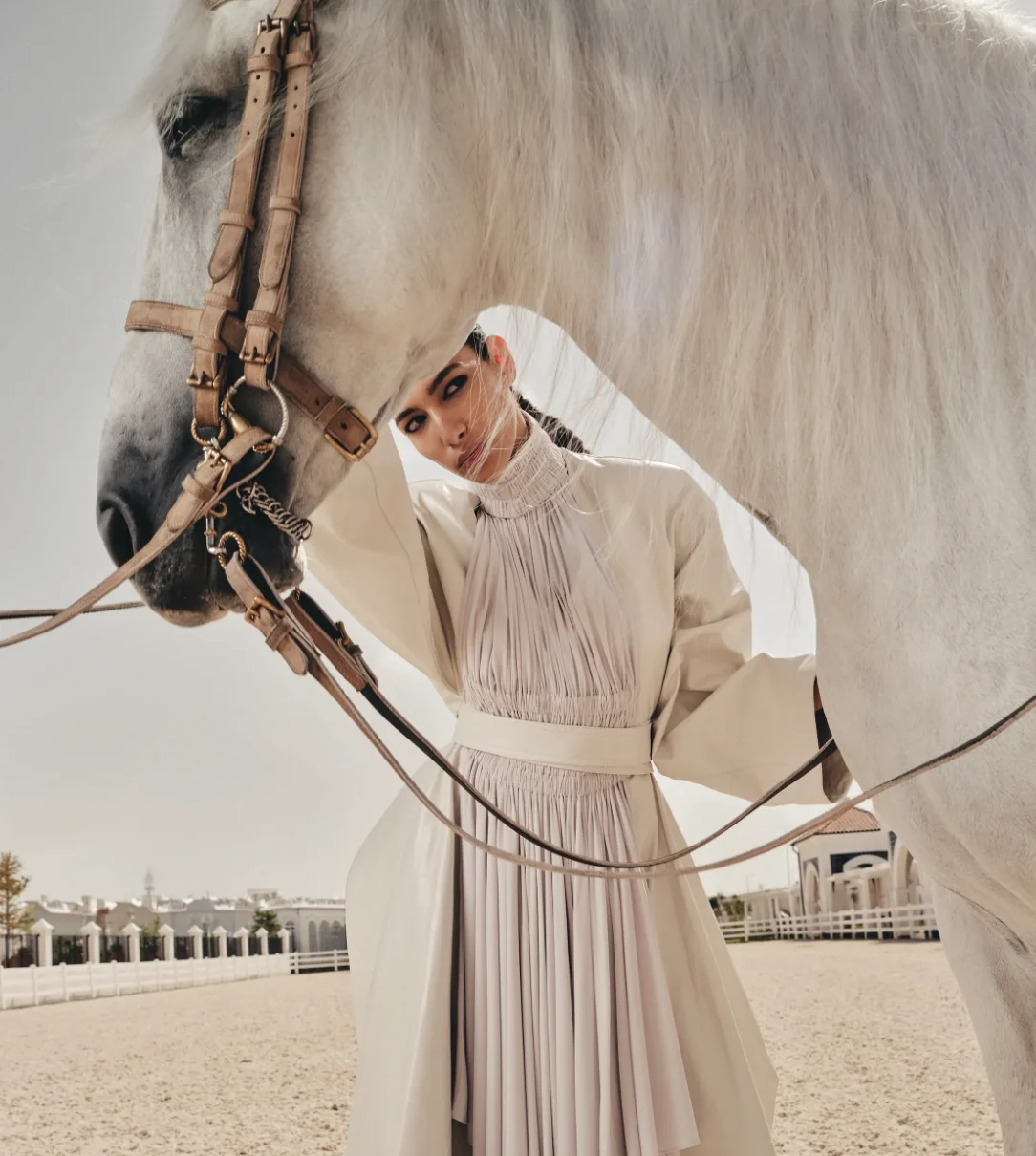
Modesty here is not a curtain but a brief: it privileges silhouette, proportion and movement over exposure, letting fabric do the work through drape, pleat and controlled opacity. In a climate that prizes practicality, women choose breathable georgette, crisp cotton and resilient crepe, proving allure can be engineered rather than displayed. As stylist Seher Khan notes, “Modest fashion can be incredibly fashion forward; global runways are learning that coverage sharpens the eye to cut and construction, and that sophistication often lives in what you choose not to reveal.” You see it in column dressing, long-line tailoring and covered silhouettes styled with modern accessories rather than token gestures. Seher adds, “We are watching headscarves and turbans evolve for men and women, and Bedouin references travel from the desert to cinema to the catwalk, not as costume but as design language.”
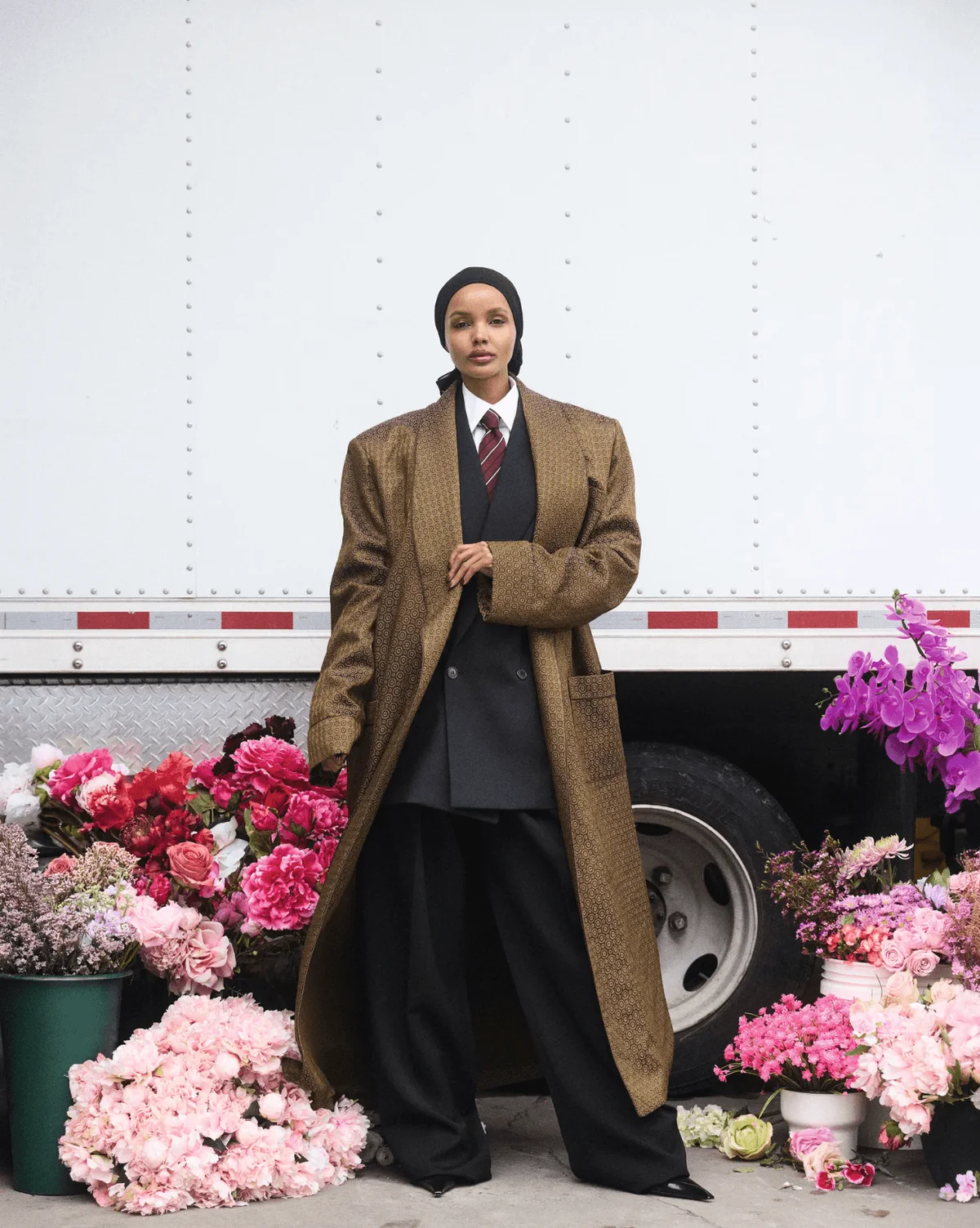
Layering
Layering in the Middle East is a literacy, where jewellery, textiles and scent compose a portable mise en scène that reads before a word is spoken. A veil of oud, rose or amber functions as a signature rather than an afterthought, while chiffon over satin and abaya over tailoring build depth without bulk. As stylist Salma Moizali puts it, “Working in the Middle East taught me that layering goes far beyond fashion; it is a dialogue of culture, emotion and expression. It is one of the region’s most powerful signatures, reminding the global industry that true style often lies in what is implied, not just what is revealed.” Takeaway: anchor a constant scent, grade textures from matte to sheen, let jewellery punctuate rather than compete, and leave deliberate negative space so the eye can rest.
Accessorising
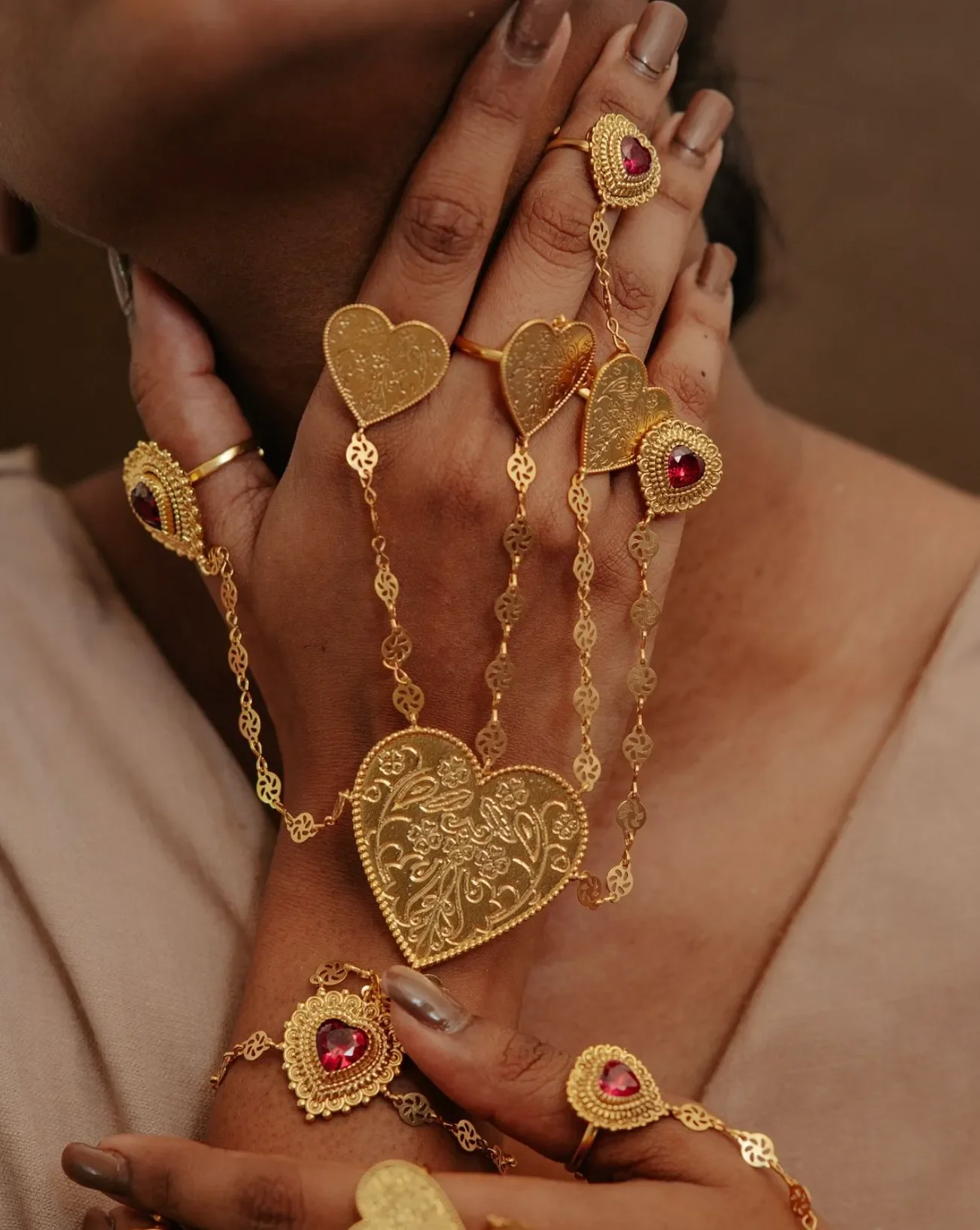
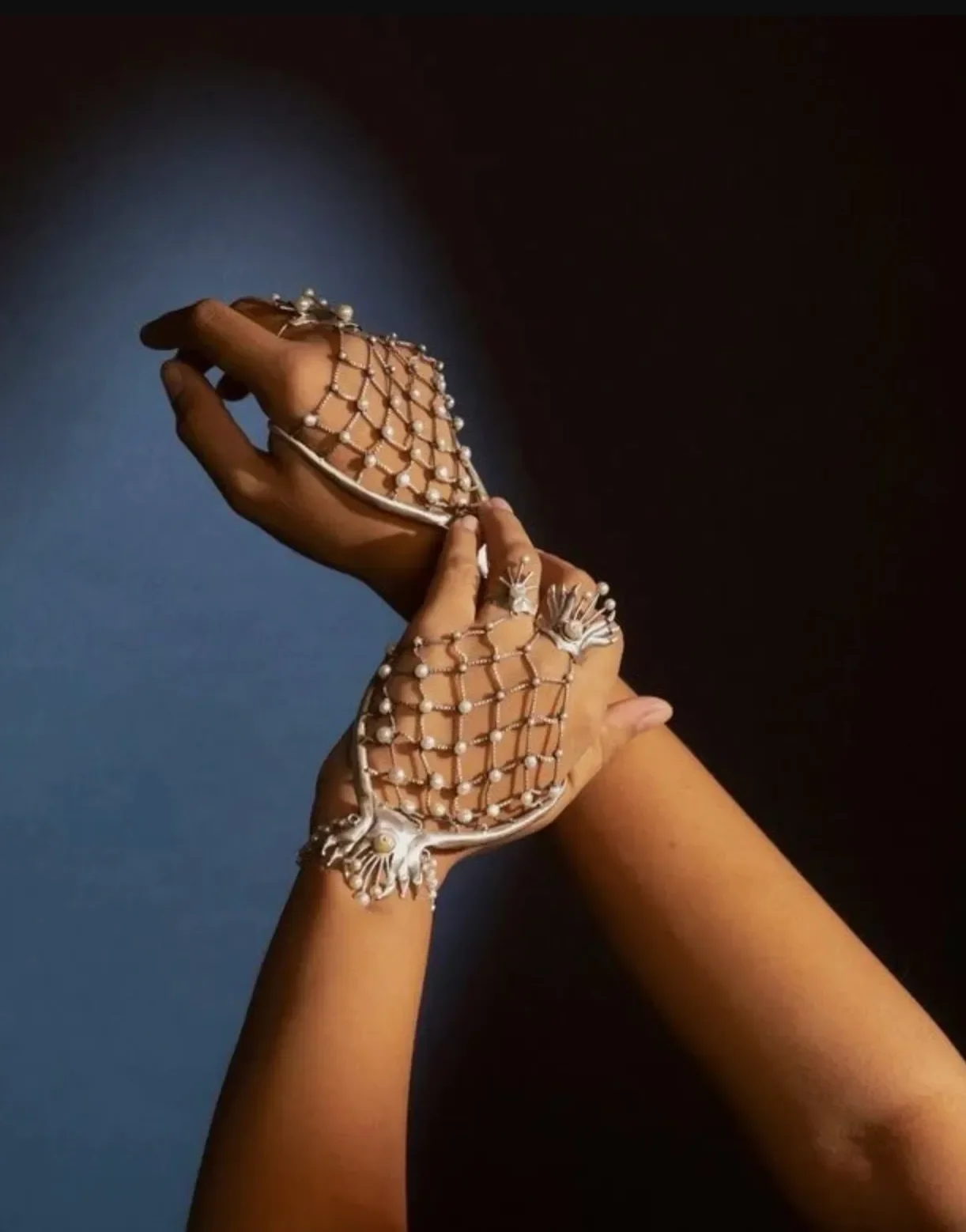
Accessories here are not afterthoughts; they are the biography worn on the body, a lineage clasped at the wrist or resting at the collarbone. Many of us were given gold as infants, pieces that travelled with us from cradle to coming-of-age, and that early initiation breeds a natural fluency in stacking bangles, threading charms and pairing diamonds with daylight. Seher expands, “An abaya shaped like a coat is the most versatile item one can own! It’s the perfect alternative to a summer trench. Wear it over a T-shirt and denims or layer a suit inside for an edgy take. The options are endless” The region’s affection for precious metals feels limitless yet never gaudy, because each item tends to carry a story, a date, a grandmother’s name engraved on the reverse. To watch a woman adjust her rings is to witness a conversation with memory, polished daily, gleaming yet grounded.
Intentional skinshow
In the Middle East, the reveal of skin is not a default setting but a considered choice, a small act of authorship that respects place, company and occasion while still allowing for a precise kind of allure. It does not signal absence of modesty so much as the presence of judgement, where a cuff slipped back to bare the wrist, a discreet neckline carved into a column of silk or an ankle shown beneath a measured hem becomes a line of emphasis rather than a shout. Skin is employed sparingly and with intention, saved for moments when it will say something clear and elegant, never scattered like confetti or worn as a daily reflex. This vigilance is neither prudish nor performative; it is an awareness of context that treats dress as etiquette and impact as a craft. I admire how the region holds both modesty and sensuality in the same hand, using each to suit the environment so that the impression lingers long after the moment has passed.
Cultural identity and storytelling
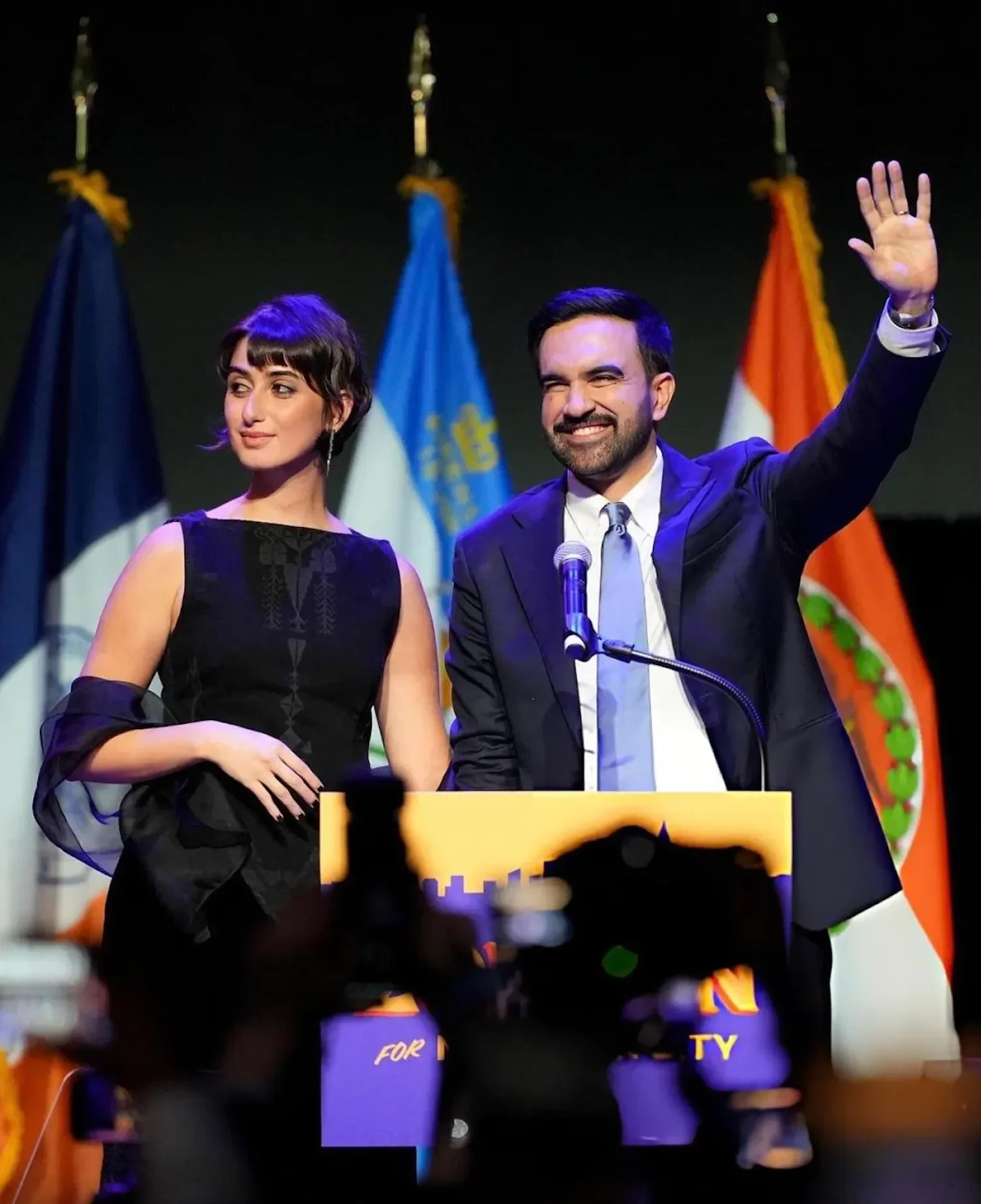
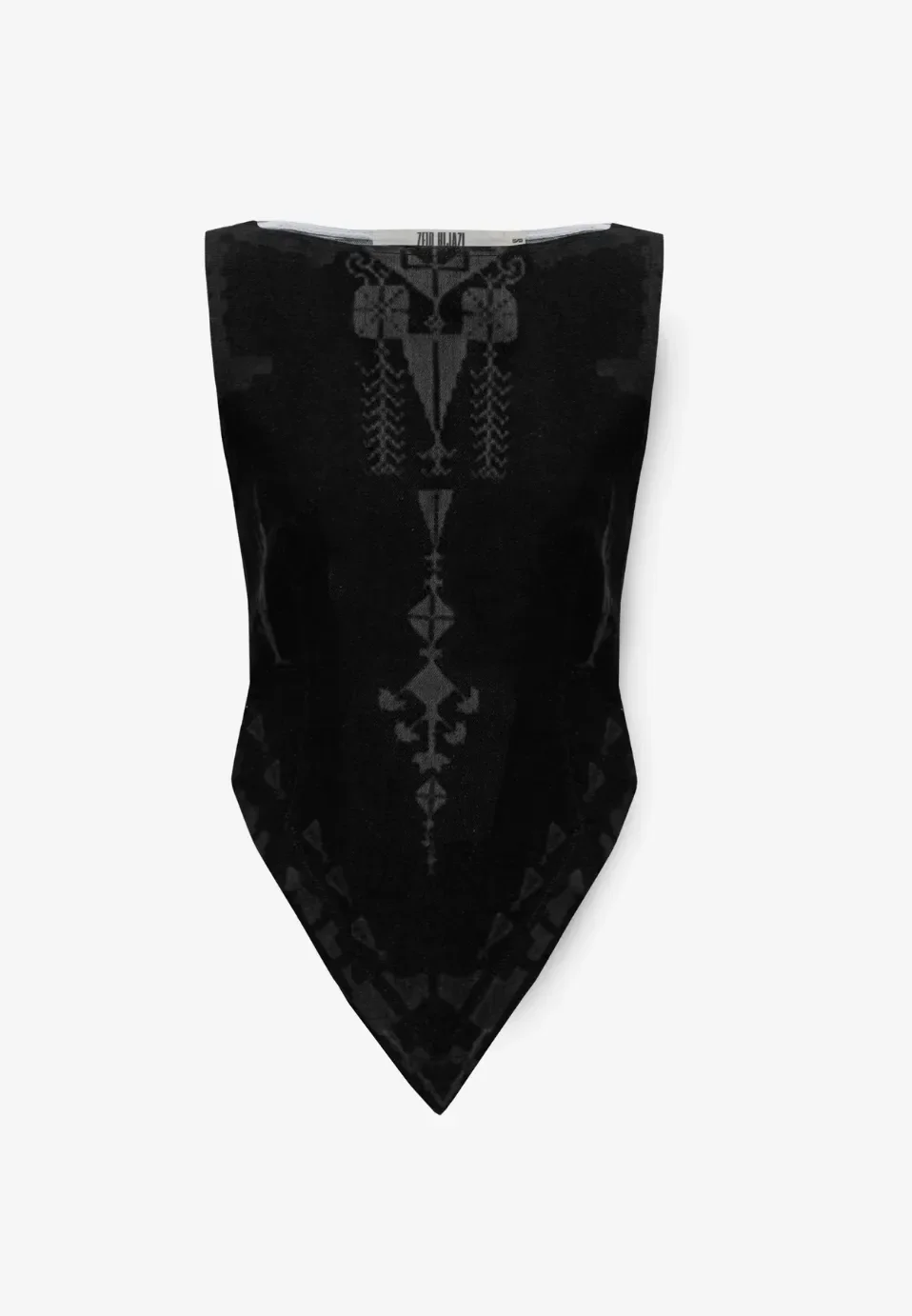
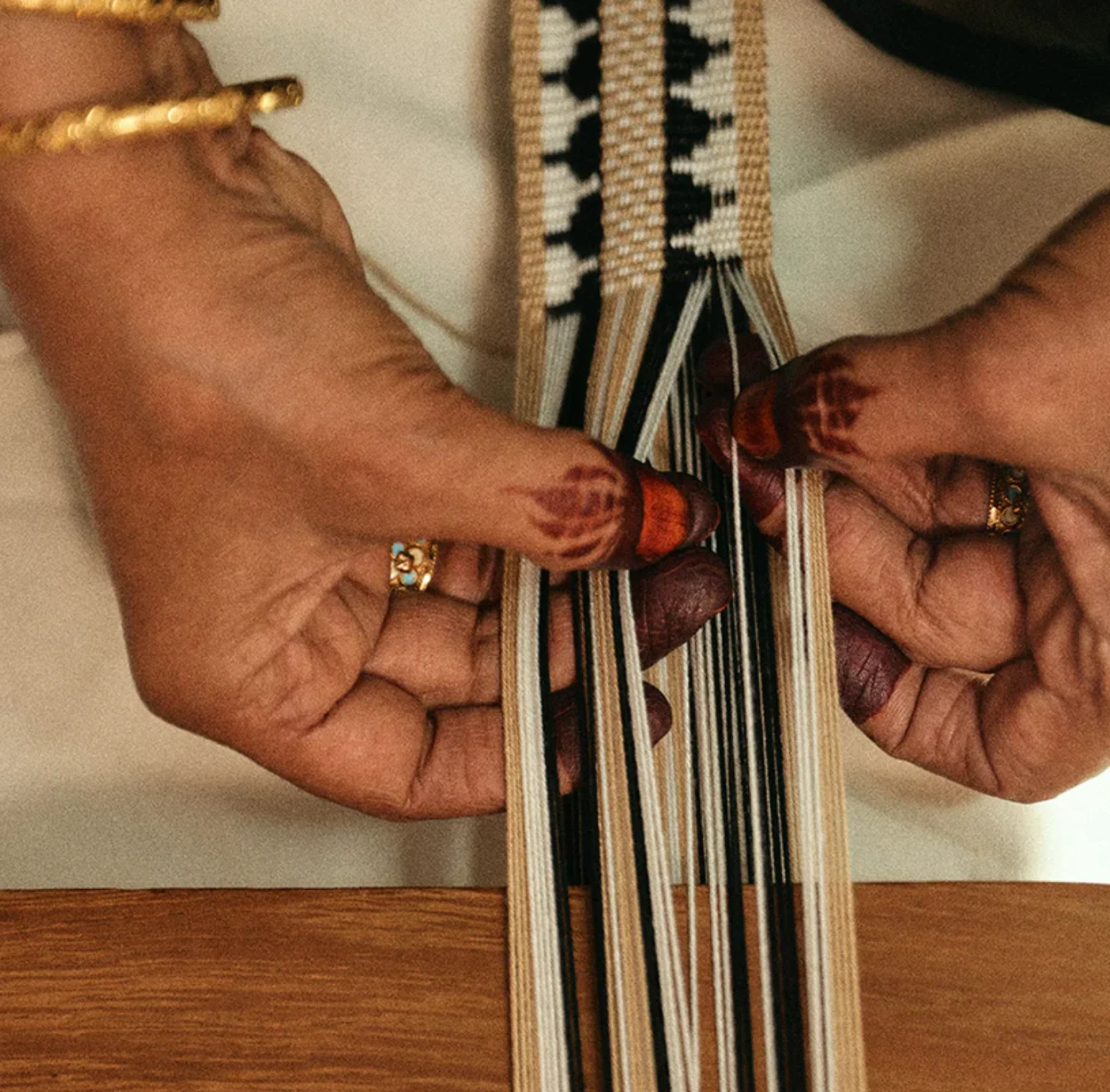
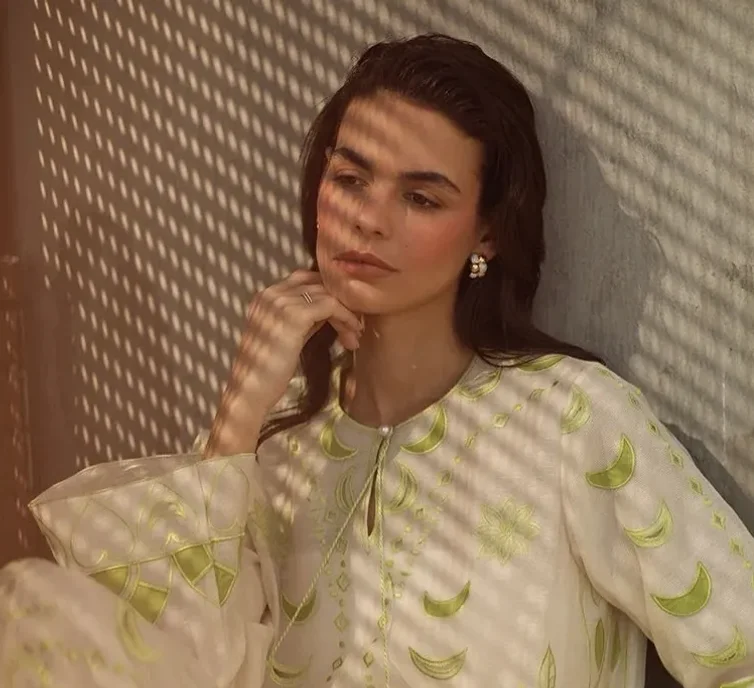
Fashion in the Middle East reads like a living archive, where Palestinian tatreez, Amazigh motifs from Morocco, Sadu weaving from the Gulf and the clean geometry of North African craft move from memory to cloth, so garments carry ancestry without slipping into costume. The point was felt widely when Rama Duwaji, now the new mayor of New York’s wife, wore Zeid Hijazi’s Frequency top, a contemporary piece that became an internet sensation because it looked modern while speaking clearly of home. For many in the region, fashion is not decoration but identity and exploration, a way to honour where you are from while continuing to evolve who you are. As stylist Salma Moizali says, “For me, Middle Eastern fashion is a dialogue between texture and restraint. I am drawn to lightweight silks, flowing crepes, sculpted tailoring and intricate embroidery pieces that embody quiet confidence. There is a magnetic beauty in how this region turns modesty into modern elegance, a balance of ease, movement and intention.”
Looking put together is no joke here
In Dubai, Doha, Abu Dhabi and across Saudi, presentation operates like civic pride, a collective agreement that leaving home is a small ceremony worth dressing for. People look considered without clamour, polished without pleading for attention, and it is this refusal to shout that makes you notice twice. Handbags, shoes and belts often carry the statement, recognisable houses worn with a sense of purpose that invites the story behind the purchase. The overall impression is effort that reads as ease, a maximal commitment to grooming that achieves the cool clarity others call minimal.