With a population of half a million, Montenegro can be best described as a Venetian town with views reminiscent of the French Riviera, without being too obvious. We’re all curious to understand, if not live the old-money lifestyle that has become a buzzword online, often used to describe a particular dressing style. Let me save you some scrolling time—nothing beats understanding this vibe better than actually living it like a local. During my four-night trip to Montenegro, I not only learned about the history of this disputed Balkan country but also got the chance to live like a true local.
The Heart Of Authenticity
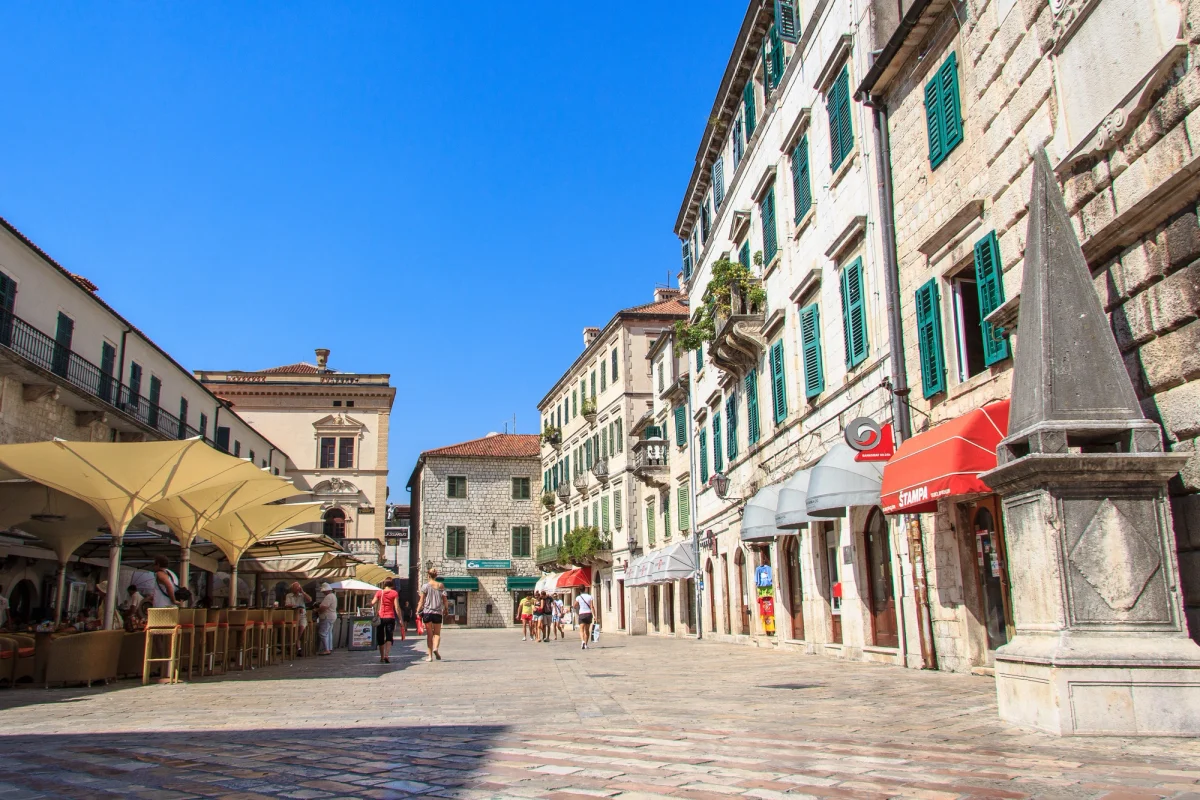
As a writer specialising in fashion and travel, I focus on the atmosphere of the places I explore and the emotions they evoke. A quick Google search will reveal pretty images, very reminiscent of the French Riviera, complete with cathedrals and coastal restaurants. What’s refreshing is that these restaurants don’t necessarily have to be Michelin-starred or require a minimum spend of EUR 100 (around INR 9,100) to secure a spot by the coast. While big cities like Dubai and London might have you believe otherwise, in Montenegro, there is an appreciation for good quality as a way of life. Some things are simply a given here—the concept of farm-to-table is something Balkan locals live with every day and couldn’t imagine hosting their guests any other way. Be prepared to eat unprocessed food for the duration of your trip.
Step Back In Time
Versatile for all types of travellers, Montenegro can be visited in the summer or autumn, depending on your preference. Direct flights are available only during the summer, so autumn travellers will need to book connecting flights via Istanbul or Belgrade.
Tiny airports—you either love them or hate them. After a 10-hour journey, I was certainly grateful to land at Podgorica Airport, where it only takes 30 minutes to receive your baggage. As I stepped outside, the crisp autumn air greeted me, reminding me of the novelty of visiting a colder country. In just an hour and a half, we reached our first stop, a UNESCO World Heritage site known as Kotor. Known for its Venetian, old-town charm, it felt like stepping straight out of a game I used to play as a child—The Age of Empires. Here, you could let your creativity run wild, designing a town from scratch. Of course, the Balkans did this centuries ago, and they didn’t feel my opinion was needed. While sipping coffee and gazing at the town, I mentally navigated my town-planning skills. Nestled in the heart of this historic marvel, Hotel Cattaro offers quintessential boutique accommodations, its name echoing Kotor’s Italian alias—an elegant tribute to its rich heritage.
The UNESCO Protected Old Town of Kotor
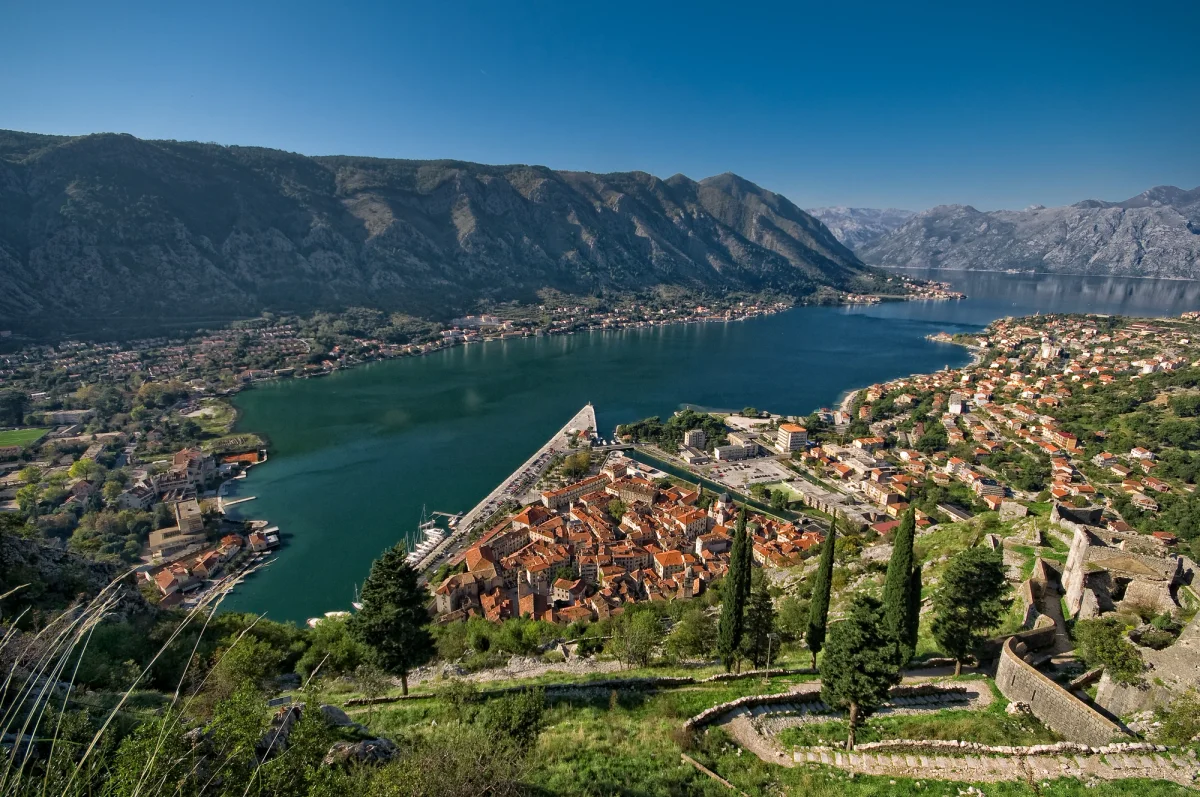
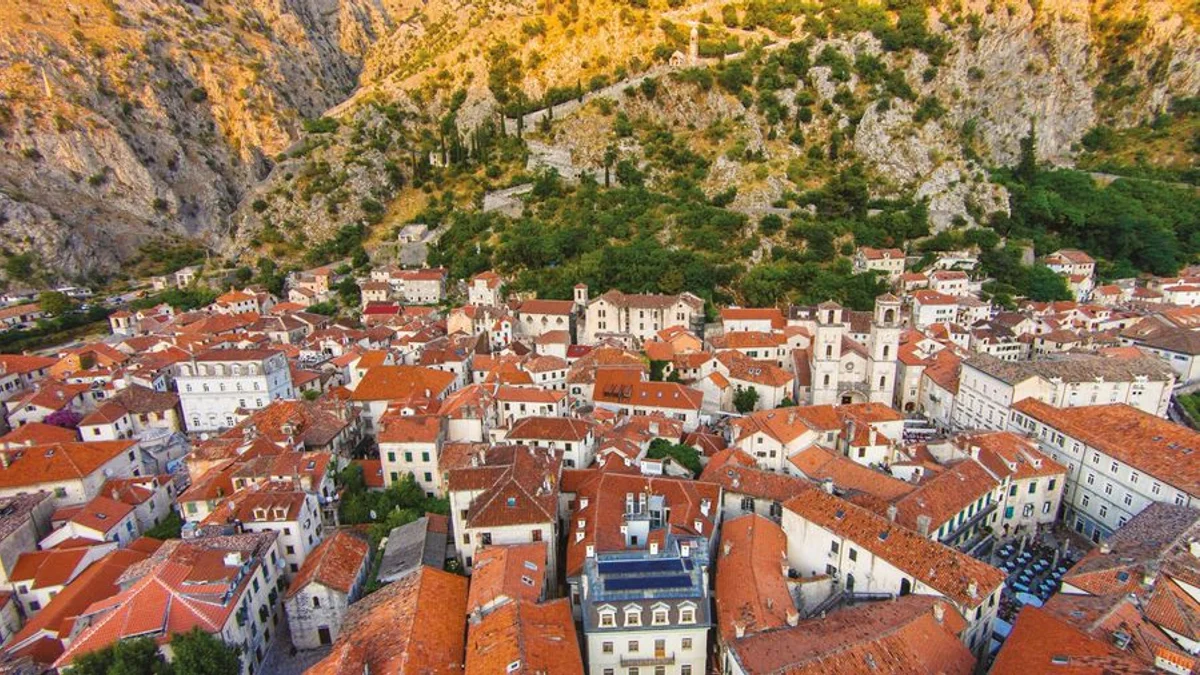
Kotor combines historical depth with stunning natural beauty, offering a storybook ambience that attracts visitors from the Indian subcontinent eager to immerse themselves in the cultural tapestry of Europe. Along these narrow streets, you’ll find shops that evoke the charm of Tuscan family-run businesses—from quaint souvenir stalls to bespoke leather jacket boutiques. A delightful discovery was a modern dolci café, renowned in Kotor for its exquisite croissants and gelato— Marshalls. Despite their modest size, these alleyways boast an astonishing variety of amenities, from ATMs and gold merchants to casual pizza slices and refined Adriatic fine dining, ensuring every need is met, but with a local touch. Frankly, it was more a relaxing boat ride than a speedboat experience, and just as Europeans say, ‘Polako’, which, as I’ve been told, means ‘take it easy’ in Croatian.
Our Lady Of The Rocks
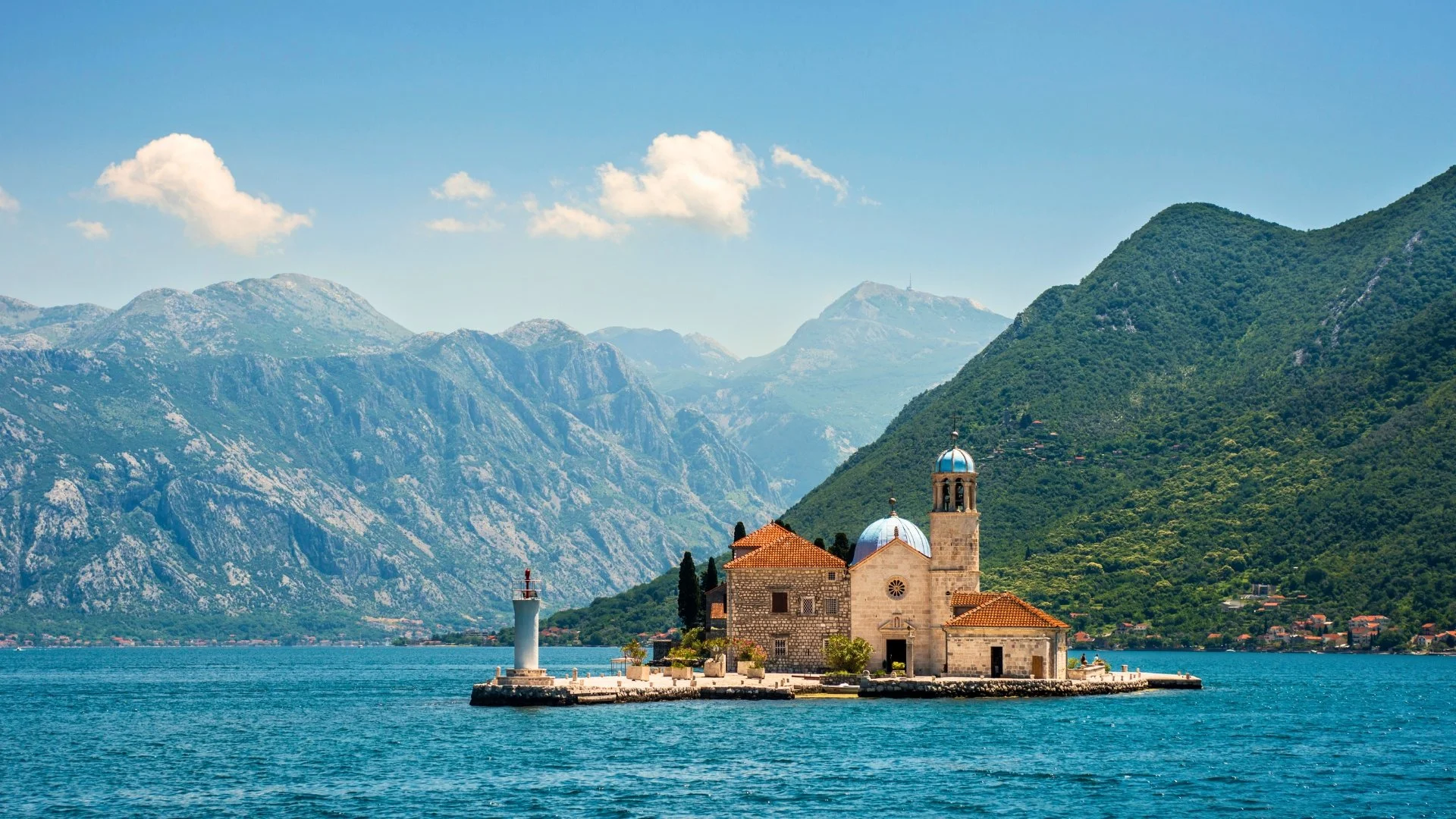
The following day, we left Kotor for Portonovi. On the recommendation of our boat’s captain, we made a pivotal stop to visit the iconic Our Lady of the Rocks. Situated off the coast of the quaint town of Perast, this enchanting Catholic Christian church was built in the 17th century by the local populace as a token of gratitude to the Virgin Mary. According to enduring local legends, the islet was formed over centuries through the unyielding efforts of seamen who kept an ancient oath. This tradition began when the icon of Madonna and Child was discovered on a rock in the sea on 22 July, 1452. With each successful voyage, these sailors would place another rock in the bay, gradually forming the islet that rises from the water today. The locals strongly believe that Mother Mary has historically safeguarded their town’s vessels during their maritime journeys and contributed to their nautical successes.
Among the numerous impressive offerings at the church, one standout gift was from Jacinta Kunić Mijović of Perast, who dedicated 25 years to embroidering an image of the Holy Virgin on the upper portion of the main altar, using gold and silver threads intertwined with strands of her own hair, further adorned with a silver chain.
Porto Montenegro
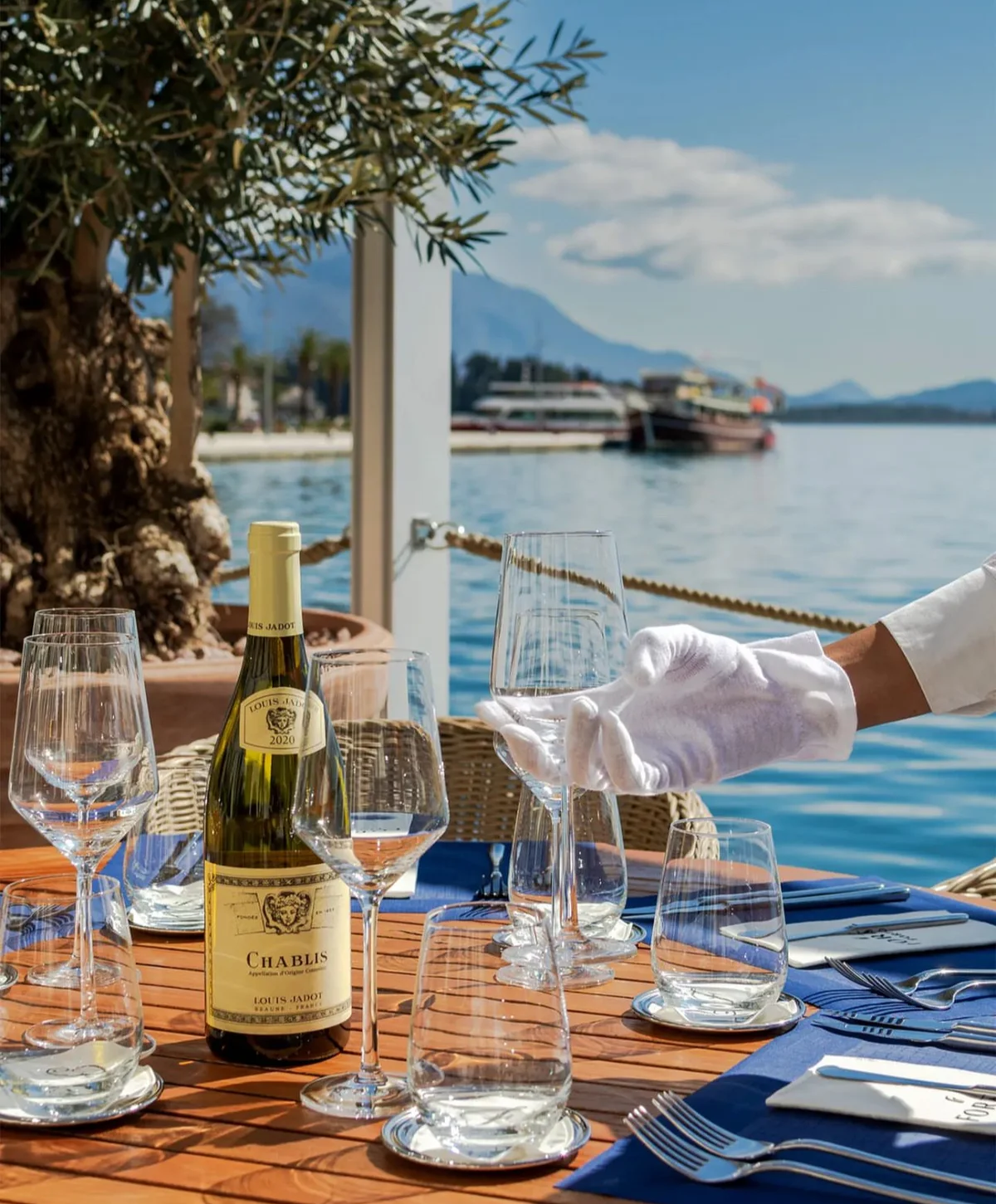
We stopped for lunch at a nearby town around the bay, all while lounging in our boat, called Porto Montenegro. This glamorous destination, often dubbed the ‘Monaco of the Balkans’, offers several high-end boutiques, waterfront restaurants, and chic bars. Beyond its opulent yachting scene, Porto Montenegro is also known for its contemporary art galleries and vibrant nightlife. The residential areas boast elegant apartments with stunning views of the tranquil sea, making it the perfect setting for a truly upscale retreat. Whether you’re a maritime enthusiast or a leisure seeker, Porto Montenegro provides the perfect mix of luxury and coastal charm, ideal for discussing your financial plans and amplifying assets.
Portonovi
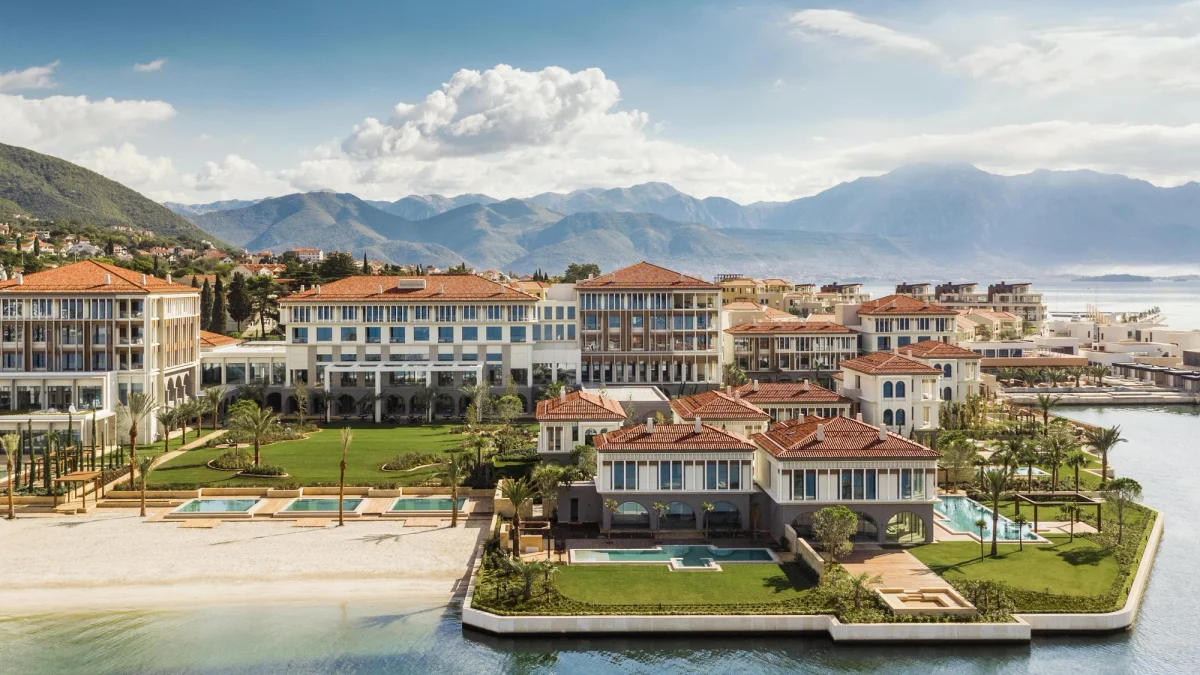
Our journey concluded in Portonovi, a destination that feels like an alternate universe, meticulously crafted with every conceivable luxury and convenience for the discerning traveller. We opted to stay at One&Only in Portonovi, which perfectly encapsulates the town’s vibe. Nestled within Montenegro’s UNESCO-protected Boka Bay, this 60-acre site marks One&Only Resorts’ first European venture. The choice of accommodation significantly shapes your experience of a city, making it essential to select a provider renowned for excellence to truly capture the essence of the location. The architecture of Portonovi is profoundly influenced by its historical ties to the Vatican, which governed Montenegro from 1420 to 1797. The town’s long white pillars evoke the grandeur of Vatican City, transporting you to an era of nobility. For relaxation, consider a 50-minute detox massage at the Henri Chenot-founded spa, Chenot Escape, or take a leisurely stroll among designer boutiques featuring brands like Valentino, Zuhair Murad, and Alaia. Portonovi is not just a place to visit but also to invest; it offers property ownership opportunities with residency rights. After owning a property for five years, this residency can convert to permanent status. A particularly fascinating activity is visiting Christie’s sales office to explore the stunning homes available, which are sure to astonish.