As someone whose work and obsession is observing how youth moves, and subtly cataloguing cultural shifts before they have names — I can trace exactly how we got here.
It began with the gym-bros. Loud, singular, and largely misunderstood… until post-Covid restlessness sent everyone scrambling for somewhere to put their body. Gyms became the new third space, and suddenly, showing up was radical. Then came the softening: pilates rebranded hard work as elegant, "movement for regulation" entered our vocabulary, the slow-flow yoga, shaking therapies, and barefoot grounding made wellness feel less like punishment and more like permission, especially for women.
By 2026, we've moved past peak commercialisation. Mindfulness and physical fitness are no longer groundbreaking — they're simply Tuesday. Which means we've come somewhere far more interesting: the idealisation of mental fortitude. Not as a luxury, but as a necessity. Because between the war cycles, the job losses, the resurgence of racism, and the particular theatre of toxic work culture that keeps washing ashore — life is, generously speaking, a lot.
So yes, make the margaritas with the lemons. But understand that no amount of healing, however beautifully branded, is a substitute for the thing that actually gets you through: sheer, unapologetic guts. Knowing who you are, what you're worth, and being entirely unafraid to remind the room — at exactly the right moment. As CBT therapist Carolyn Yaffe of Medcare Camali Clinic puts it, “Being ready doesn’t mean fear disappears. It means fear is no longer in charge.”
It's showtime, darling. Always has been.
When self-care stopped being selfish
The modern wellness movement crystallised during and after COVID-19, when lockdowns and collective burnout pushed mindfulness, self-care and holistic healing from optional luxuries into everyday essentials. Social media — TikTok and Instagram especially — did the rest, turning personal rituals like journaling, breathwork and intentional rest into aspirational cultural habits at scale. But in the age of aesthetic healing, vulnerability itself risks being misunderstood. Adult & Families Specialist Hiba Salem explains, “Vulnerability is not the opposite of healing. It is the evidence of it. The goal was never to arrive at a place where nothing and no one could touch you.” Gen Z and millennials then quietly reshaped the entire narrative, reframing wellness less around optimisation and more around emotional balance, rest and lived experiences — and in doing so, changed what it actually means to be well. As Neuro Coach Rita Baki of The Flow Space observes, “Healing is constructive when it expands our capacity to grow and connect.”
When the healing never ends
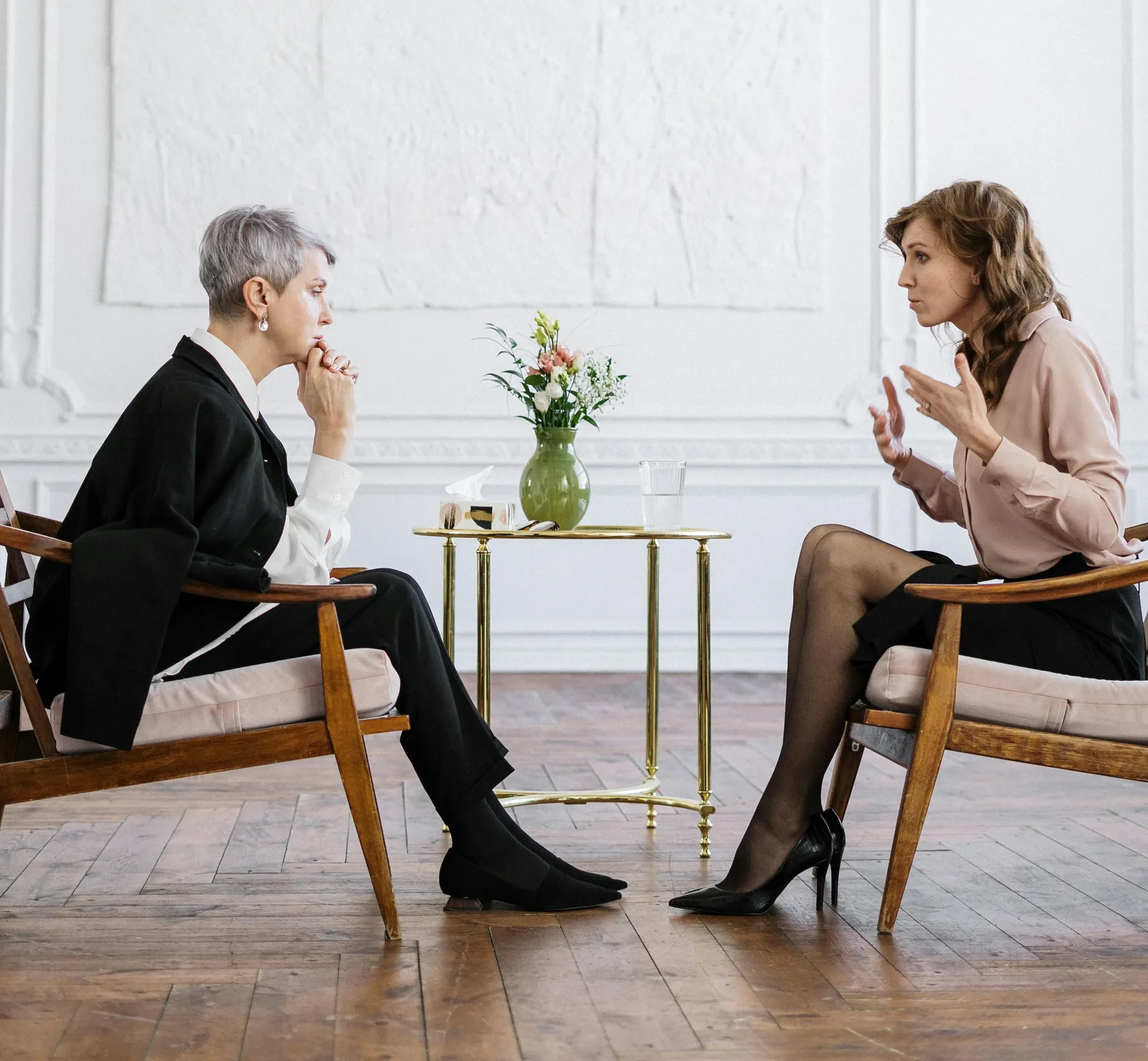
For a generation that grew up in therapy and learned to set boundaries before they learned to drive, healing has gone from something deeply personal to something you perform. What started as a genuine and necessary shift — finally taking mental health seriously — has slowly edged into something else: every bad day a symptom, every difficult person a trigger, every period of growth something to post about rather than just live through. Self-awareness is a gift, until it isn’t. Until it becomes the reason you stay stuck. Samira Alexander, a Multi-Award-Winning Clinical Hypnotherapist draws a distinction worth sitting with: "Healthy self-protection comes from self-connection. Over-protection comes from unresolved emotional experiences. The distinction is subtle but crucial." And when it comes to the boundary-setting we've all made a personality out of boundaries stay connected. CBT therapist Carolyn Yaffe of Medcare Camali Clinic is equally direct: “Boundaries stay connected. Avoidance shuts down.”
What wellness actually looks like when it grows up
In 2026, healing has stopped being something we talk about and started being something we just do. Somatic practices like breathwork, cold plunging and slow regulatory movement have quietly replaced "no pain, no gain" as the default — everyday tools for stress and nervous system support rather than trends to try. A digital minimalism movement has taken hold too, with screen-free rituals and a return to analogue pleasures — vinyl, film photography, paper journals, collectable magazines — helping people reclaim something that got lost in the scroll: actual presence.
Homes have been reimagined as spaces for rest and connection rather than productivity, and travel has shed its checklist energy in favour of something slower and more intentional. But perhaps the biggest shift is this: healing is no longer a solo sport. Communal saunas, group breathwork and the return of the third space have replaced isolation as the new frontier of wellness. As Rita Baki reminds us, “Healing becomes limiting when it contracts us." In 2026, wellness is as much about belonging as it is about inner repair.
The lemons were always coming. Good thing we know how to make a drink.