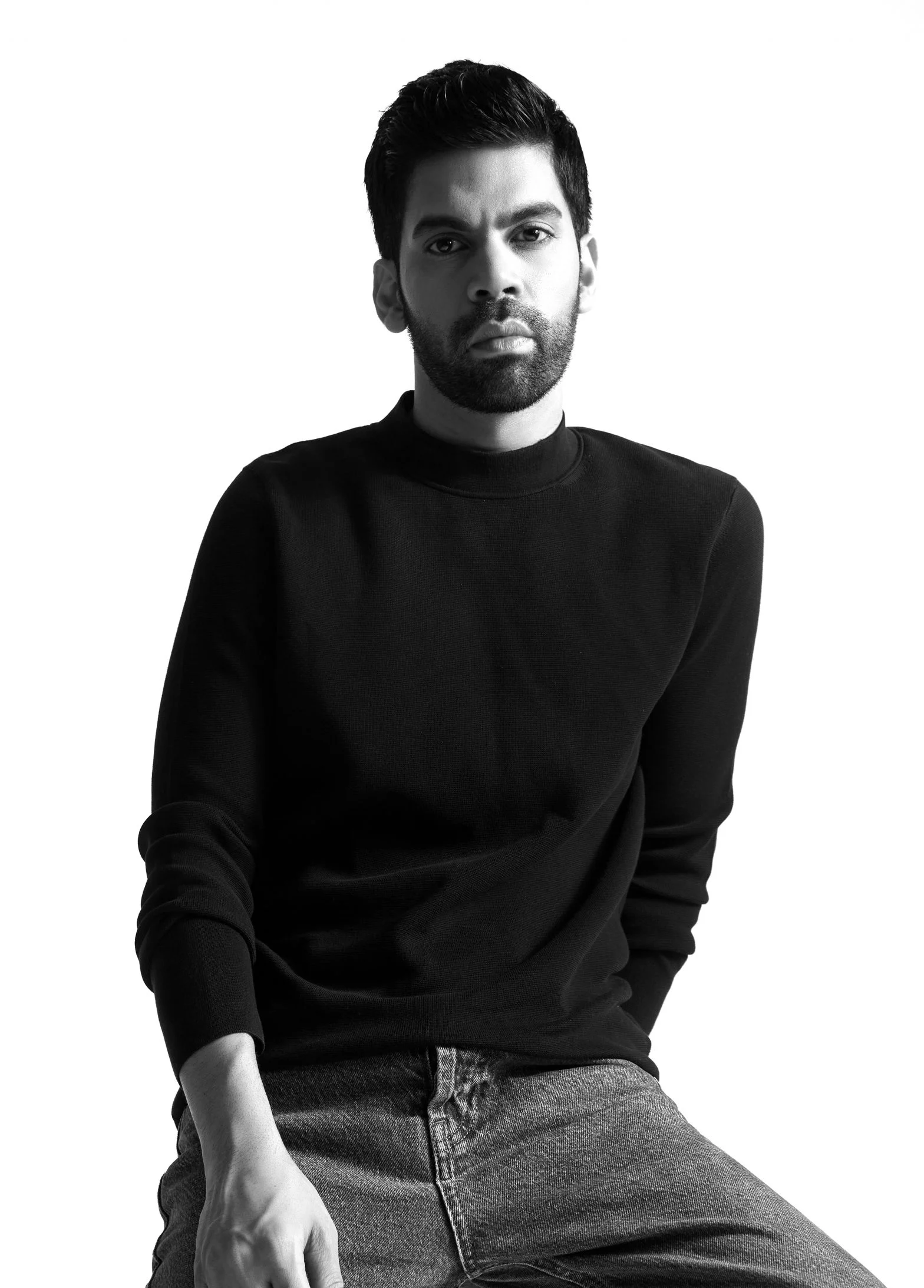
In an exclusive interview with Dhruv Kapoor, we find out more about the buzzword ‘Street-Style’ and if it means anything to the Indian diaspora, or is it just a fair-weather trend.
Q: What does street style mean to you as a designer, and who is your audience?
Street style to me is an individualistic approach to contemporary style that is mostly a mix of multiple elements that best express one's identity, belief systems and their perception of the world around them. I personally don't like to limit our audience during the design process. We always like to build our seasonal projections devoid of age, background or gender, targeting a global audience. However, I am conscious about the fact that our audience is decisive, bold and express themselves without restriction.
Q: Out of all buyers across different age groups and categories, who has shown the most inclination towards this style of clothing?
Based on internal reports, our audience falls between an age bracket of 21-65 years coming from a mix of regions. Japan being our biggest market along with India, Europe, Middle East and USA. Each market approaches different products within one collection, where Japan picks all of it."
Q: How do you think street style sits with Indians?
It has always been there. I feel with the growing social channels, it's finally exposed. They are at par with global standards. I am forever excited to meet young, intelligent minds and understand their approach to style. They all have a story to tell and fearlessly portray their beliefs through fashion and none of it is forced.
Q: What's the best part of being a street style designer?
Street style is an interesting mix of ancient and new, maximal and minimal, couture and ready to wear. I am always excited to explore these polar worlds and build something combining the two. I find the design process challenging and refreshing.
Q: Do you reflect stories into your pieces, and do you think fashion is political?
Always. Our story-line is always grounded by spiritual roots, mostly about the infinite capabilities of the human mind. For me it is mostly about dressing the mind and the soul. 'How do you want to feel?' is our main approach. We normally don't tap into the political aspect but a certain undercurrent of happenings around the world would naturally be present.
Q: How do you justify your price point?
This was probably a question when we started out, but I haven't heard it in the longest time. There is a lot of hard work and tireless research behind each collection. We try to keep the retail price point in mind while working around product, but it would never dictate or restrict the design process.
Q: Are we blurring the lines of age-ist clothing in the 21st century?
Absolutely. For me, there are no lines anymore. The undercurrent is always the emotion — in the end they want to feel a certain way and it's always about this 'feeling' for us.
Q: What is your favorite collection and why?
My favorite is always the one yet to come. But each collection projects a spiritual undercurrent. I love reading about the mind, the soul and oneness. 'Future is Empathy' is my favorite slogan that we coined for one of our collections and I truly believe in it.
Q: What colors are you using for Spring/Summer 2022?
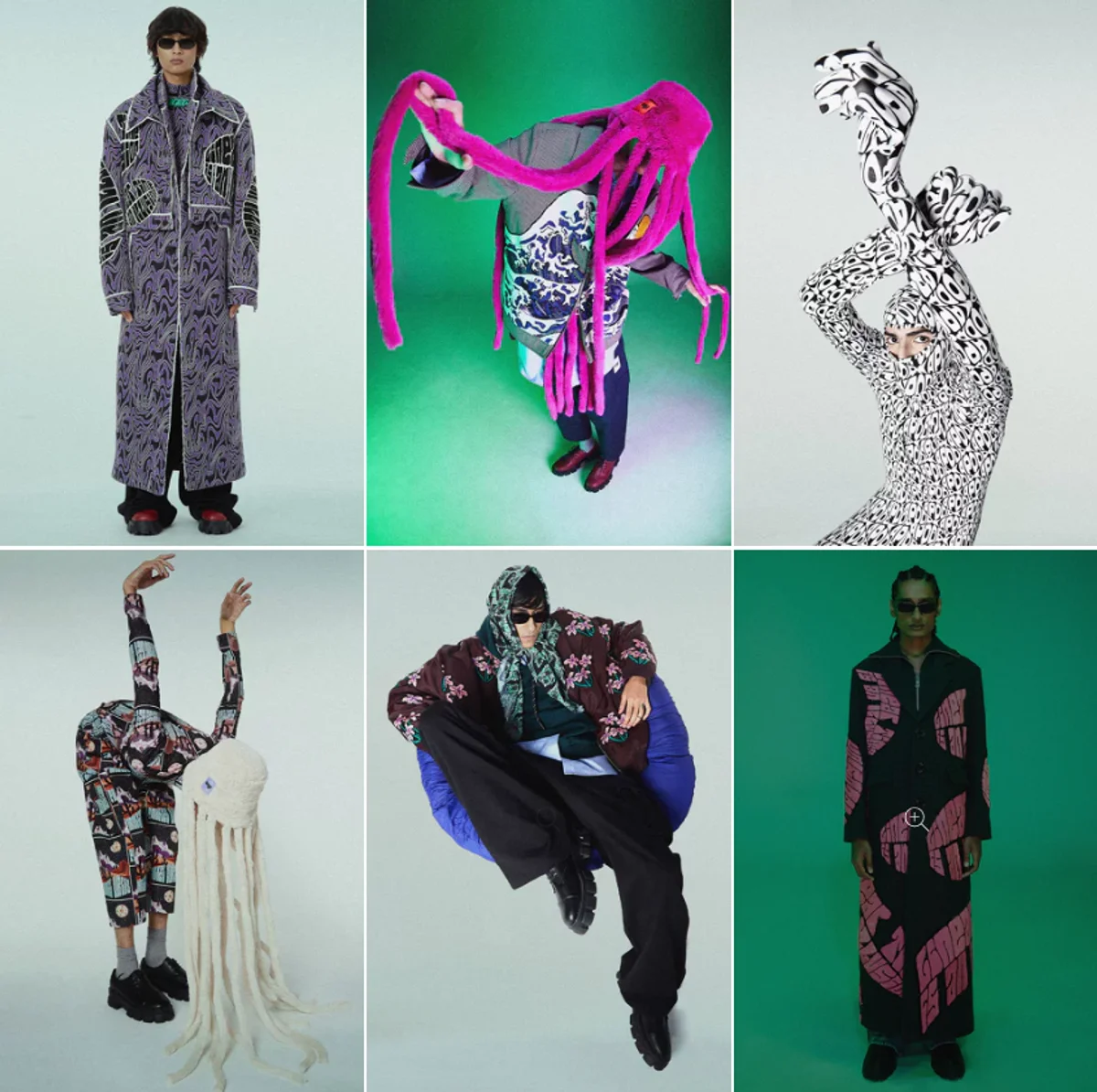
I never restrict our color usage in a collection — it is one of the best tools to trigger emotion. A digital tone of violet is my new favorite followed by deep brown, forest green, pale pink and fluorescent accents.
Q: What are your thoughts on the fast-paced nature of fashion?
My team and I normally never favor a forecast or a flourishing trend. It is a natural process dependent on instincts and gut feeling. The market is hungry for newness, and we tirelessly work in search of new perspectives and reinvention."
Q: How does your design process usually go?
It mostly starts with something I am reading or conversations around me. From colors, prints, silhouettes and embroideries, each element is in sync with one another. 70% of our research is on the concept or the idea and 30% is aesthetic. I find this ratio most appropriate to tap into today's audience and growing cultures.