“Everyone wants to be us,” said Miranda Priestly in The Devil Wears Prada. What she forgot to mention is that everyone also wants to tax us. That is, if ‘us’ includes luxury brands trying to remain elegant while navigating the economic equivalent of a catwalk on broken glass — otherwise known as the ongoing US-China tariff war.
While headlines obsess over tech chips and shipping containers full of soybeans, the luxury fashion world is quietly reworking its strategy — not with fashion weeks or performative pivots, but by staying quiet and not clapping back. This is a recalibration, not a collapse. Every luxury buyer, owner and aspirant at the moment is questioning if purchasing from luxury brands makes sense, or ever made sense.
The appetite for luxury is not fading. If anything, it's maturing. True luxury buyers — the kind who value heritage, craftsmanship and emotion over logos and noise — are not stepping away. They are stepping in, just with sharper eyes. The price isn’t the issue anymore. It’s the provenance. The principle. And maybe even, the politics.
Take Hermès, for instance. The house has acknowledged price shifts in the US, in part due to the broader ripple effects of geopolitical tension. But let us not confuse strategy for struggle. As quoted to Business Insider, “Luxury won’t vanish — it just gets quieter.” The lack of panic or noise signals that brands are evolving on their own terms.
A modular approach
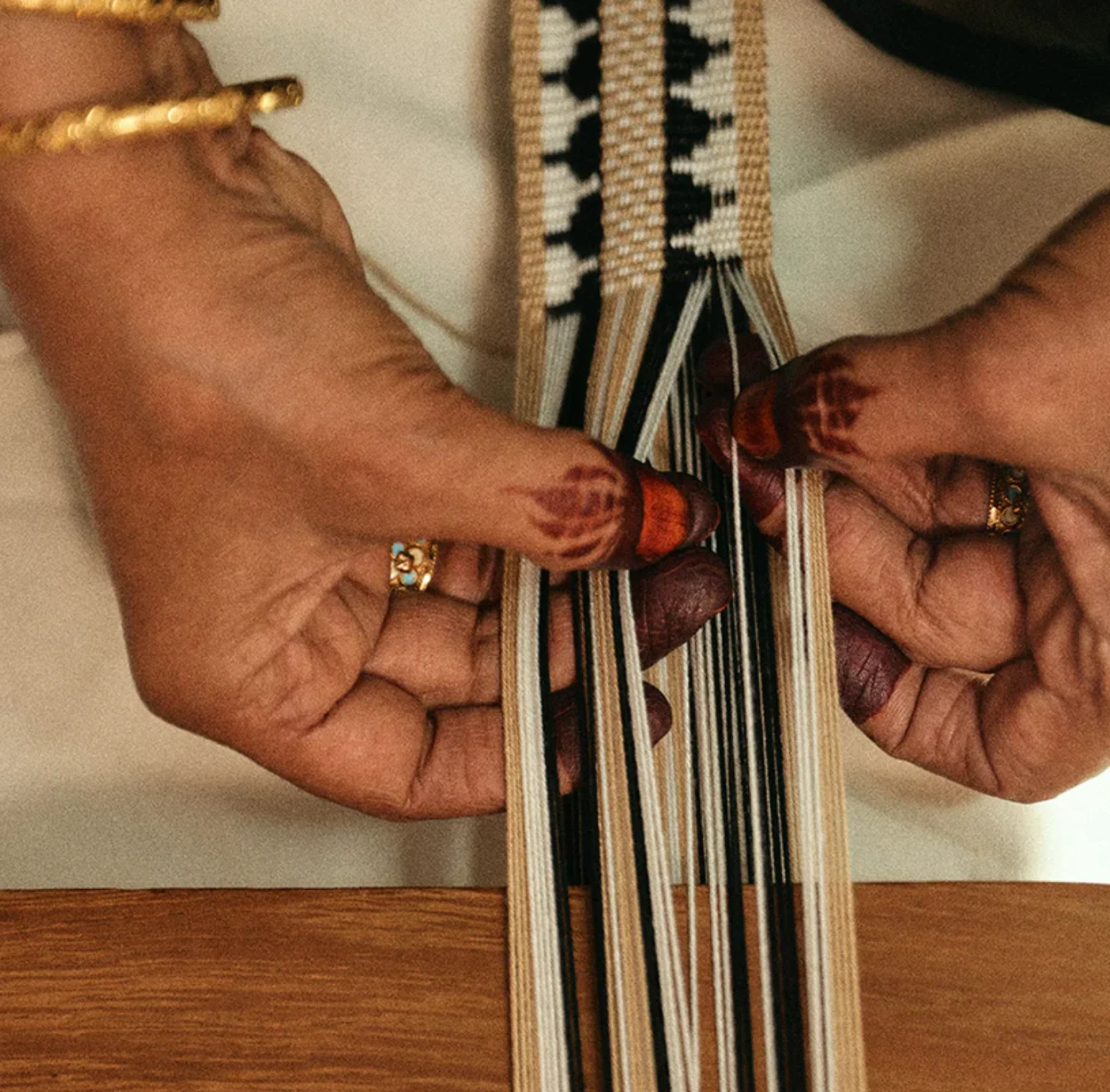
Many brands — especially those rooted in American markets — have already begun to shift operations out of China. Coach and Michael Kors, for instance, are looking at places like Vietnam and India. European houses are experimenting too, with a more modular form of production. You might design the product in Paris, source components from Italy, and assemble it in Dubai. It is less about cost-cutting now, more about agility. “With the new tariffs released, I’d expect an increased diversification of manufacturing bases beyond the China hubs into neighbouring countries in Asia. I’d expect new facilities implemented across Europe and possibly South America; however, these will pose obvious challenges on manufacturing costs, and in turn affect overall retail prices. Quality will be the hardest factor to ensure during the transition period,” suggests Rubee Variava, Founder of RV Consulting for Retail and Fashion.
She continues, “With overall prices in luxury increasing on a year-on-year basis, I would expect luxury houses to absorb some of the tariff costs and some being passed onto the consumer. A large element will be to protect a brand's positioning through an emphasis on storytelling heritage, craftsmanship and highlighting the value of quality through a narrative beneficial to the brand. I’d anticipate stronger marketing to leverage these manufacturing challenges as opportunities through a palatable narrative.”
The Middle East perspective
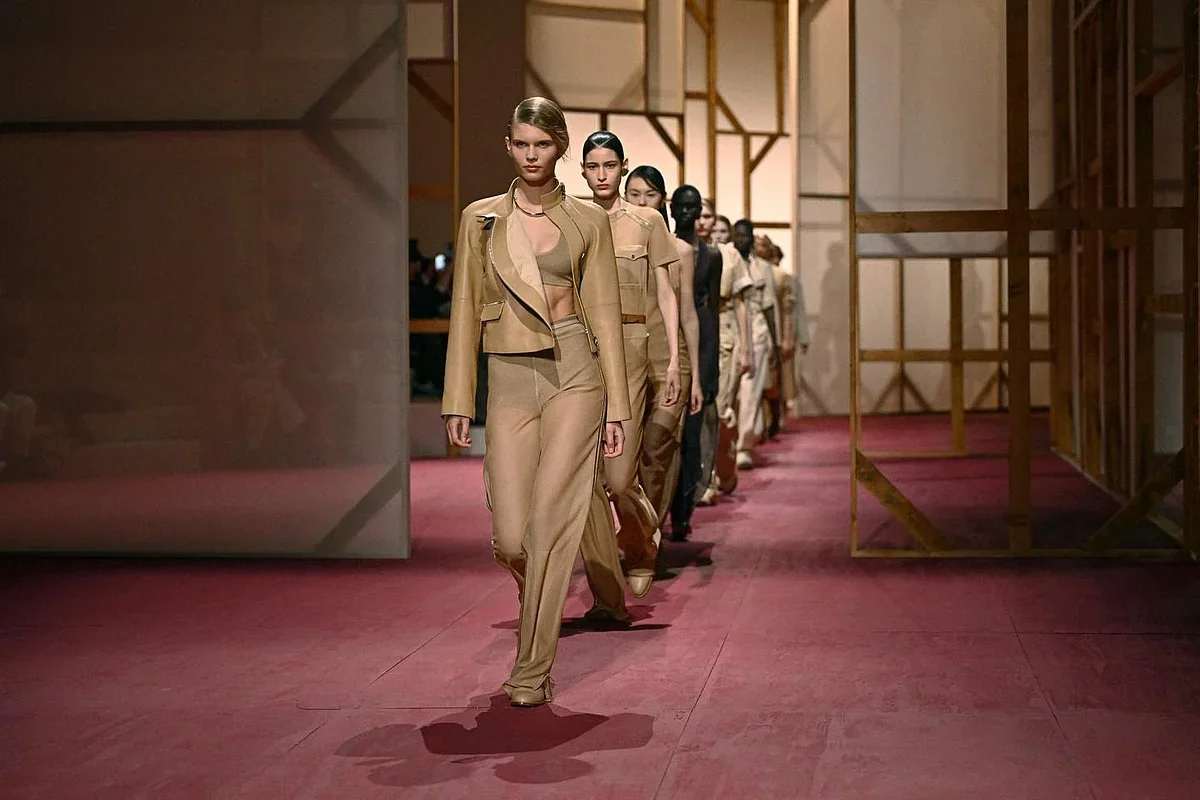
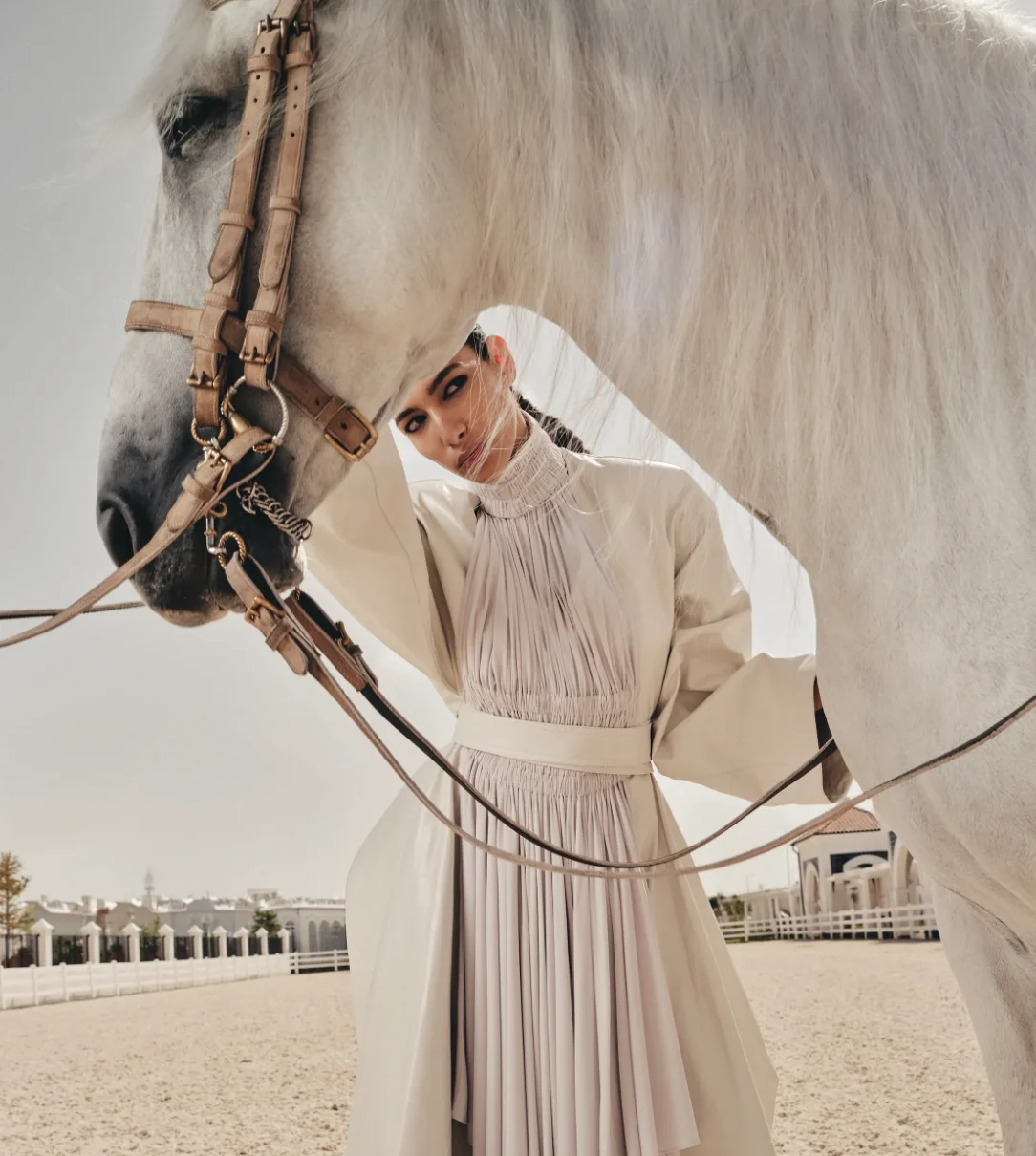
In the Gulf, the question isn’t whether people will stop buying luxury. It’s how they will choose to buy it. From Dubai to Doha, shopping has always been about expression. But now, we’re seeing a deeper awareness. Where was this crafted? Why does it cost what it costs? What values does it stand for?
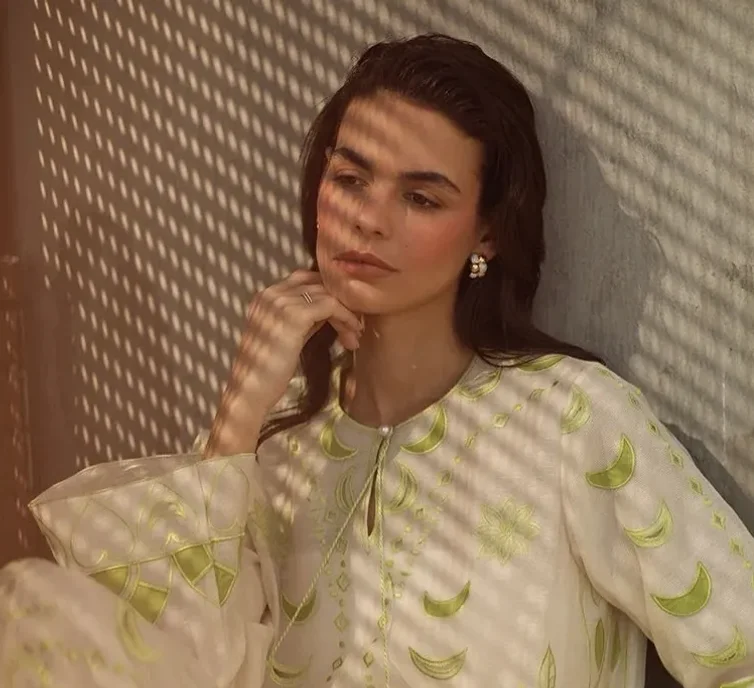
“I still buy,” says Mariam, an Emirati Beauty Entrepreneur based in Dubai. “But it’s more intentional now. It has to be a piece that tells me something — about where it came from, or who made it, or why it exists in the first place.”
And this is where brands have to respond — not by shouting louder, but by becoming more personal. Luxury, going forward, will not be about scale. It will be about community. We’re already seeing this with Chanel’s private client events, Gucci’s micro-experiences, and Louis Vuitton’s city-specific drops. It’s no longer about serving everyone. It’s about serving someone, deeply.
As Marco Bizzarri, former CEO of Gucci, once said in a BoF panel, “The future of luxury isn’t more — it’s closer.”
Even the storytelling has evolved. A scent today is not just about bergamot or sandalwood. It’s about narrative. Positioning. Belonging. As China pushes for a self-made luxury language and the West retrenches into legacy, brands are being forced to examine where…and how they exist.
This is exactly why we see Jimmy Choo launching a Middle East exclusive and Richard Mille taking its VIP clients on a safari trip into the Saudi Arabian desert. Because now, relevance has a postcode. In truth, tariffs aren’t the cause of luxury’s shift. They’re just enablers the fashion industry needed, to finally prioritise traceability.
When someone buys a luxury bag, they know they’re not just paying for leather and stitching — they’re paying for a whole world that comes with it.
Navigating luxury from here on
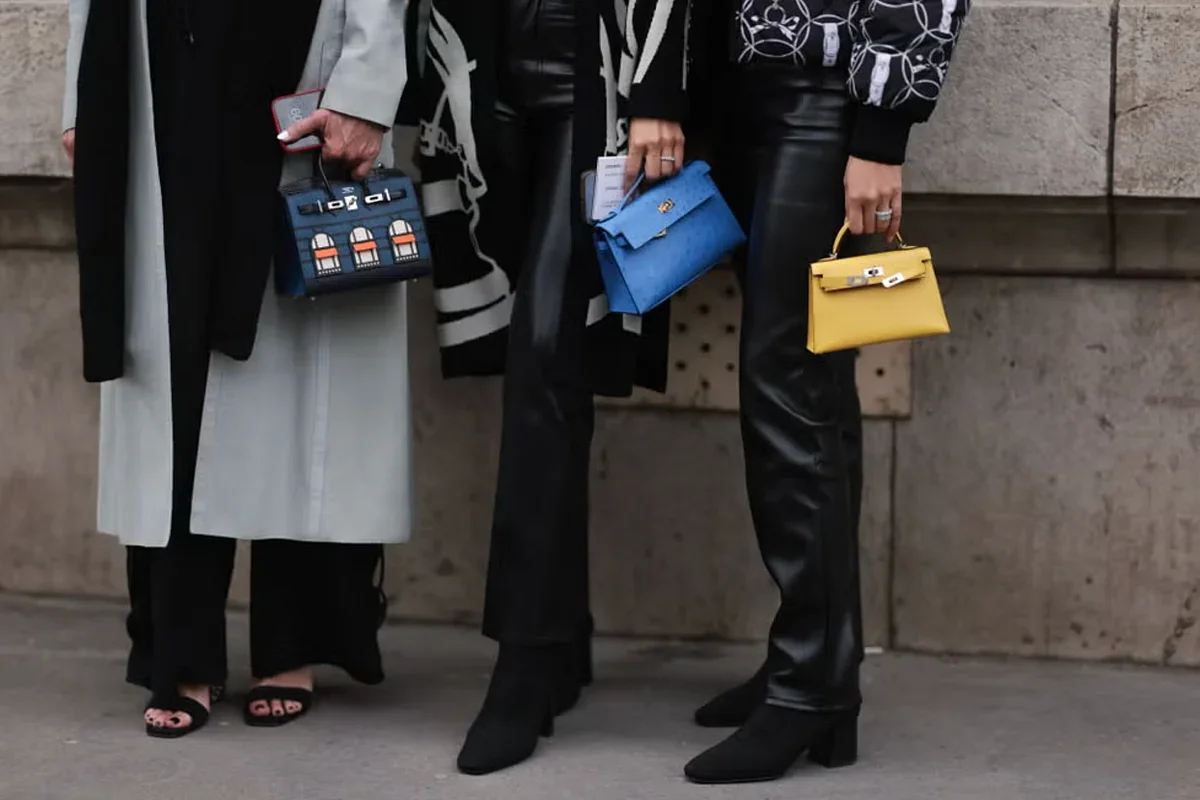
Luxury consumers today are becoming more discerning, not less indulgent. That rare Valentino dress made with hand-dyed silk? Likely worth the investment. A monogrammed sweatshirt produced across three countries in five days? Perhaps not.
Another shift we’re seeing is, strategic relocation — not price inflation — is becoming the quiet response to tariffs. Rather than simply increasing prices, many luxury brands are subtly shifting parts of their production to tariff-free regions, maintaining quality without compromising on provenance.
Limited-edition localism is on the rise. In response to shifting trade regulations, brands are crafting hyper-local collections made for — and sometimes only available in — specific markets. Shopping within regions like the UAE, where duties on many European imports remain relatively low, can be a smart move. Even better, forming relationships with boutique managers and brand reps can unlock early access, transparency, and personalised trust-based experiences.
Meanwhile, the resale market has stepped out of the shadows. No longer niche or taboo, it’s become one of the most authentic corners of luxury. Platforms like The RealReal, Hardly Ever Worn It and The Luxury Closet offer legacy pieces and deadstock classics — lower the markup, but with the charm.
And finally, digital-only drops and direct-to-consumer strategies are changing how we access luxury. Brands are increasingly leaning into e-commerce exclusives, digital sampling, private online previews, and even metaverse activations to engage directly with their audience — minimising inventory risk while maximising personal relevance.
So no, luxury is not going anywhere. Not here, not globally. But it will look different. It will act differently. It will feel more human. Perhaps even more honest, and definitely more traceable. Because in 2025, luxury is not about what you own. It’s about what you believe you’re a part of. And that, if nothing else, is worth paying for.