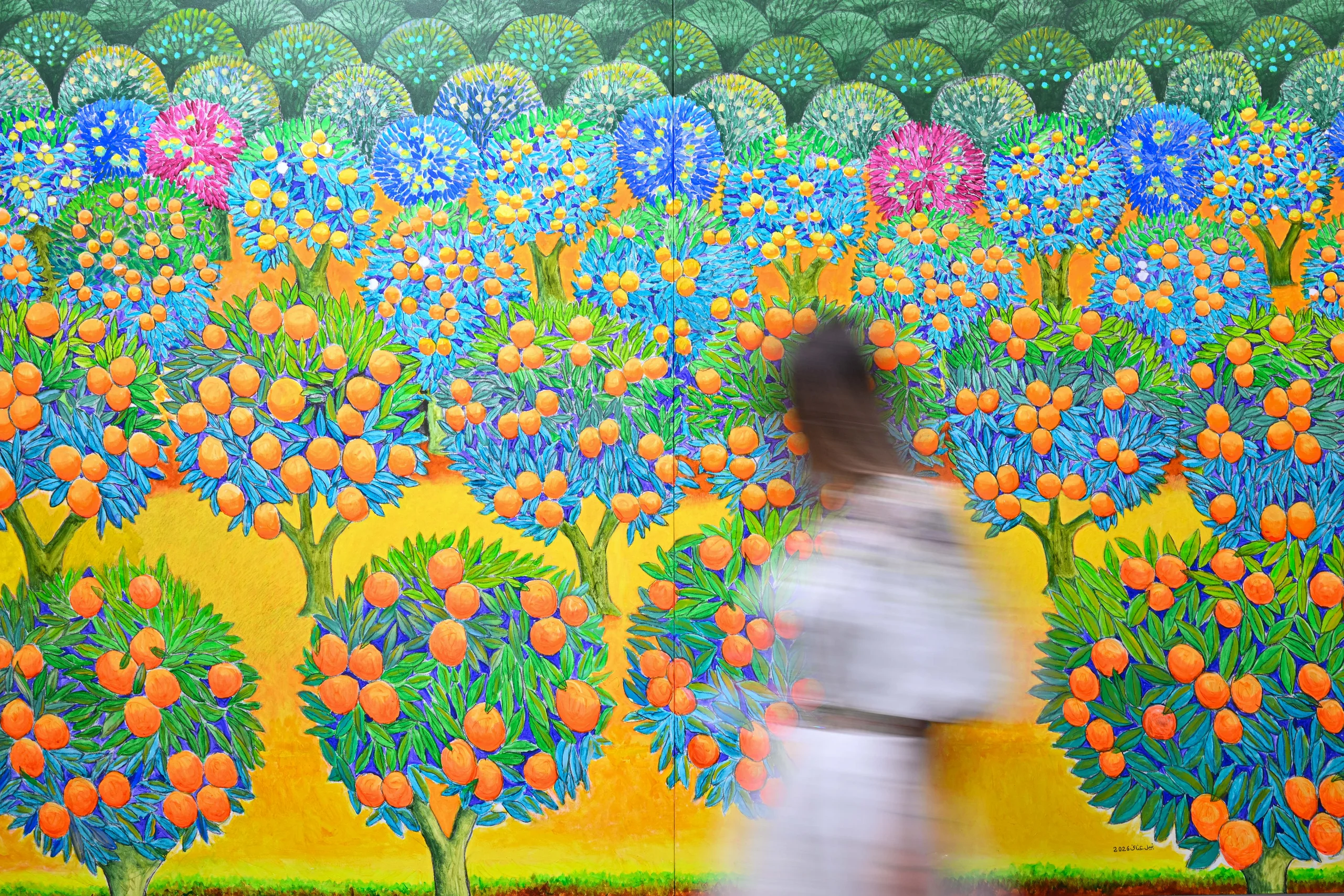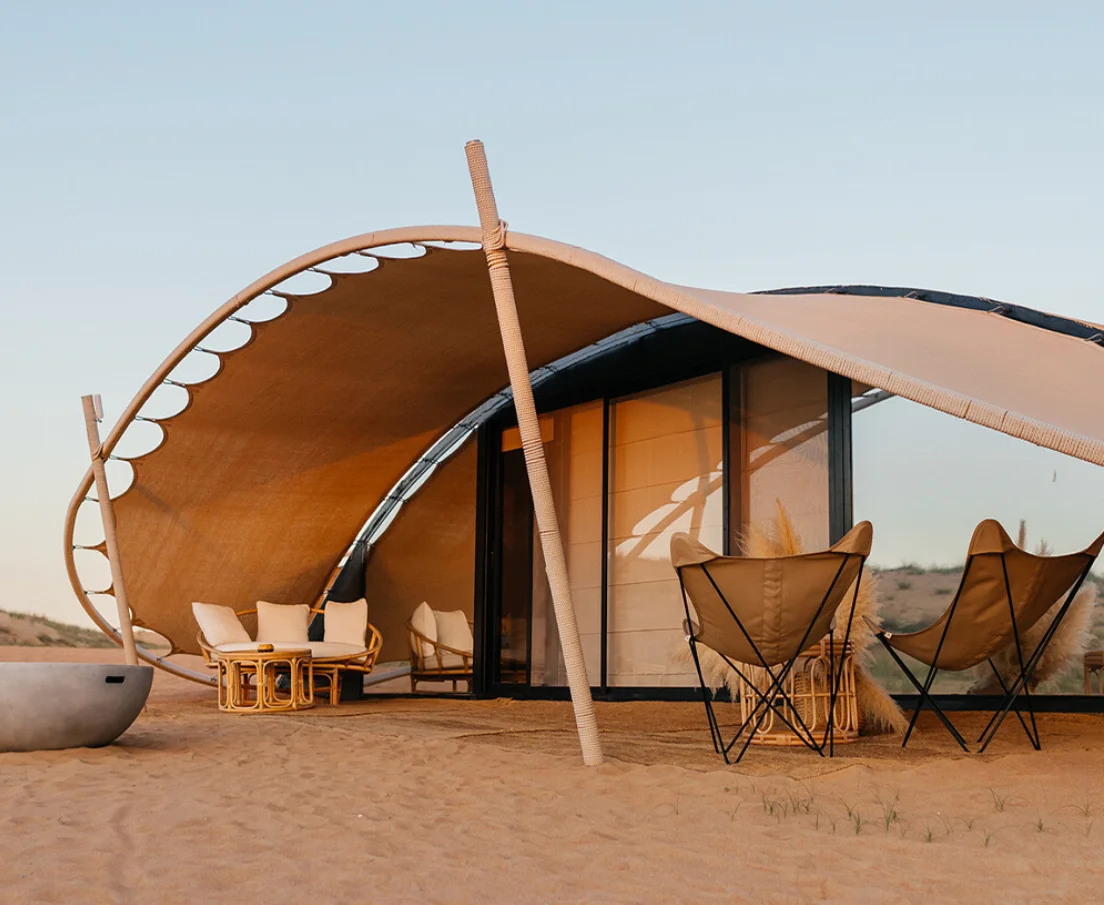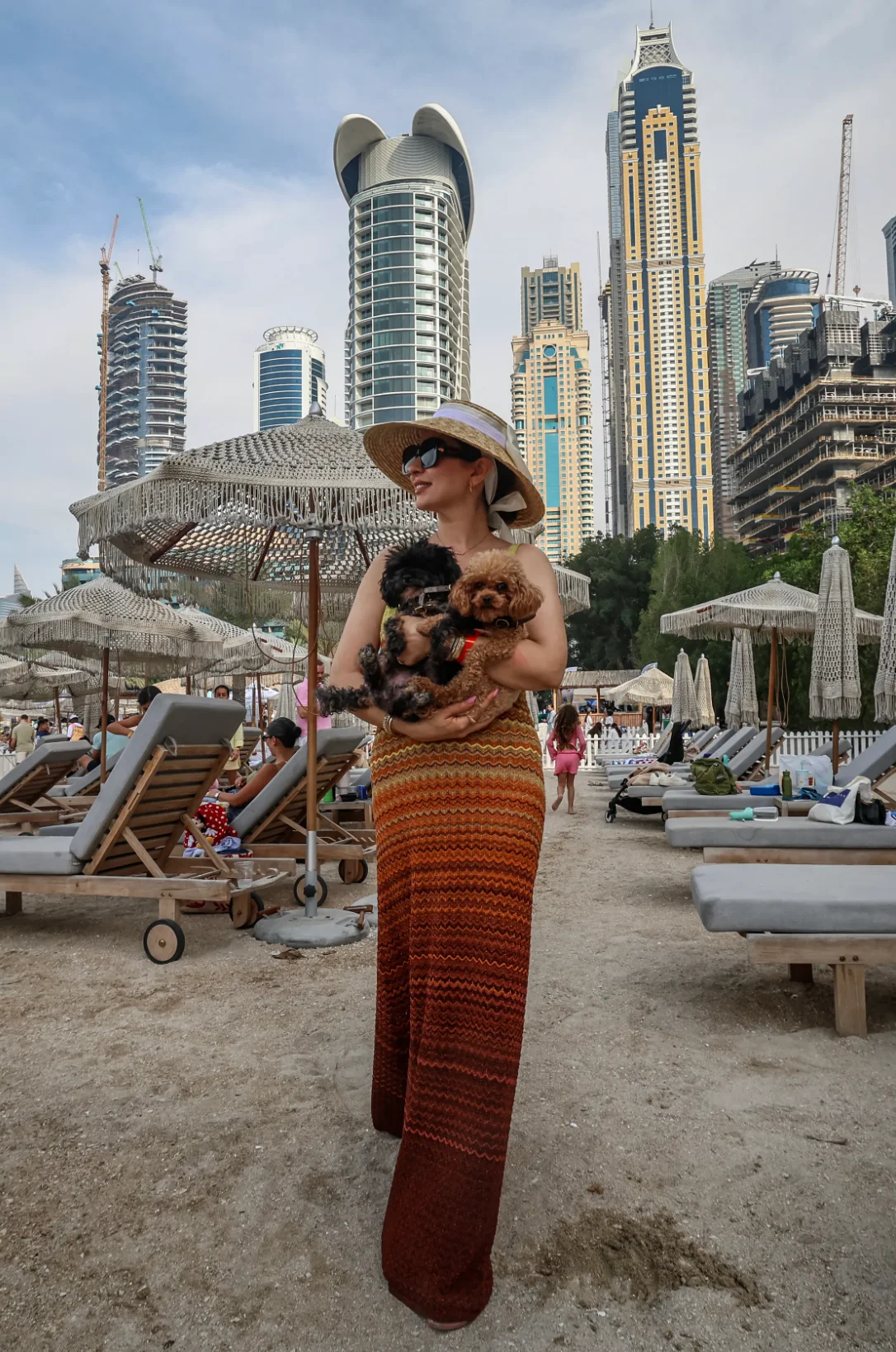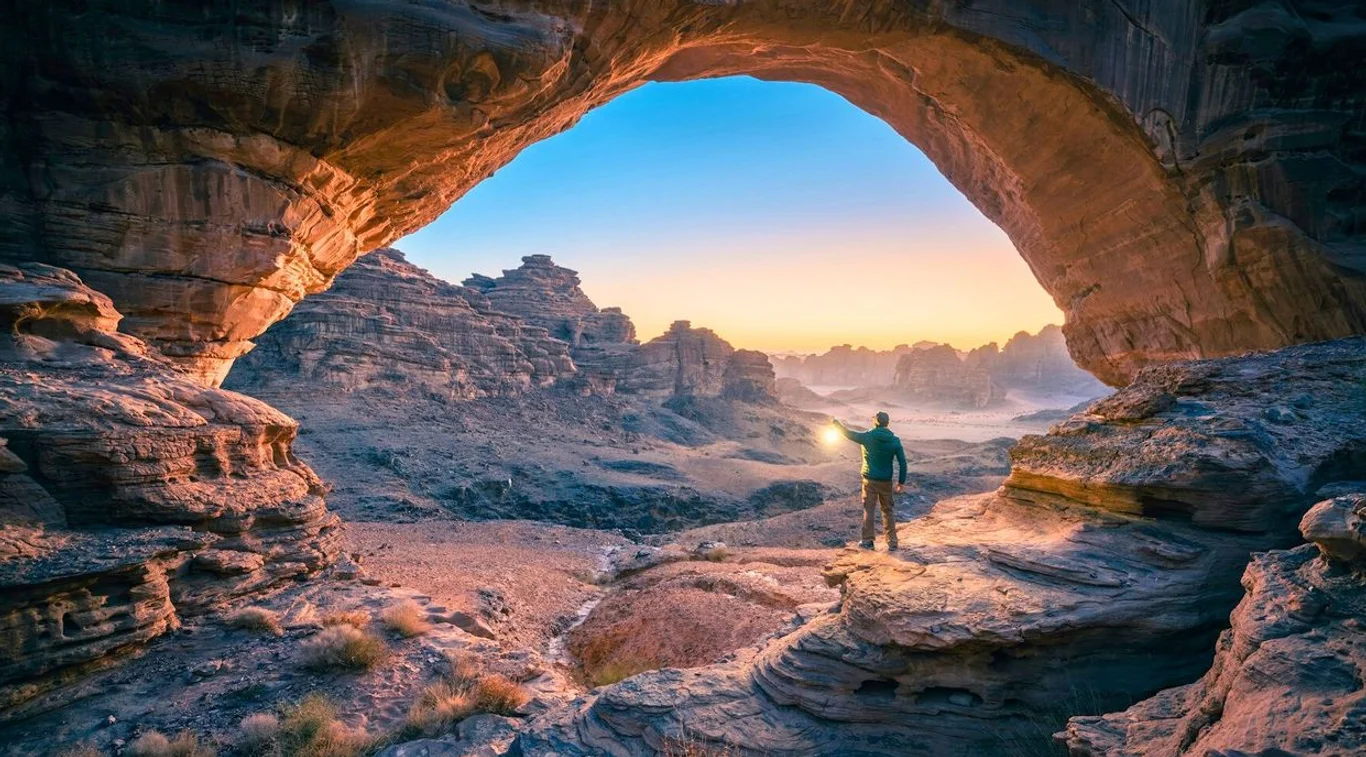
The term “Middle East” might seem broad, often grouping countries spanning Asia, Africa, and even parts of Europe. However, this diverse region is anything but a monolith! As someone raised in this region, I can say with certainty that its richness lies in its incredible variety of cultures. The Middle East is layered, shaped by shared values like family, faith, and hospitality, but also wildly diverse in how those values are lived. And for many travellers, especially first-timers, there are several myths that need to be addressed. Consider this your invitation to reset your perceptions and explore the multifaceted reality of living in the Middle East.
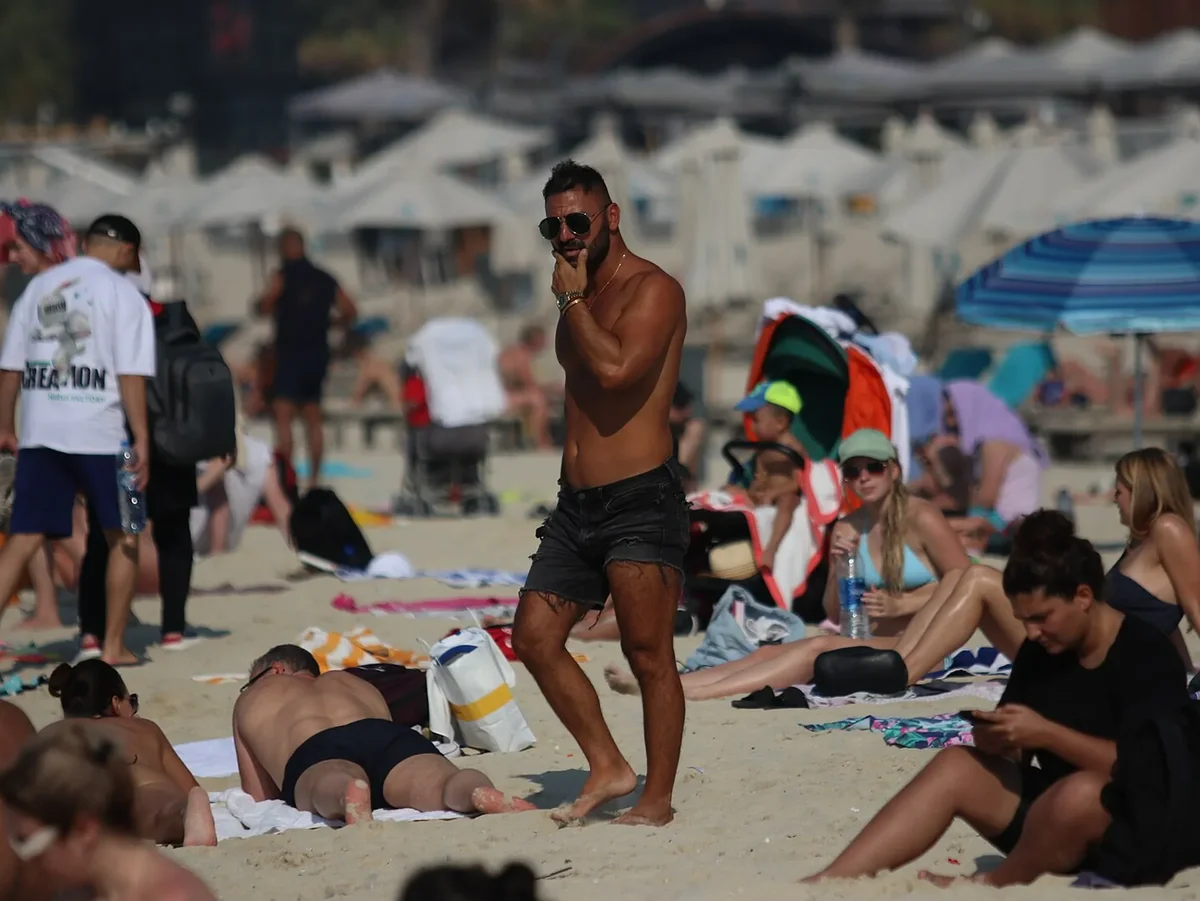
“You cannot wear shorts in the UAE”
Incorrect — you may wear shorts in appropriate settings like the beach, beach clubs, hotel, resorts, home, pools, indoor gyms, but non-revealing clothing is required in public and indoor settings like offices and malls.
“Arabs are racist”
Incorrect — most Arabs are generous and respectful to all nationals, expats and tourists. They are not linked to racism or racial slander of any kind.
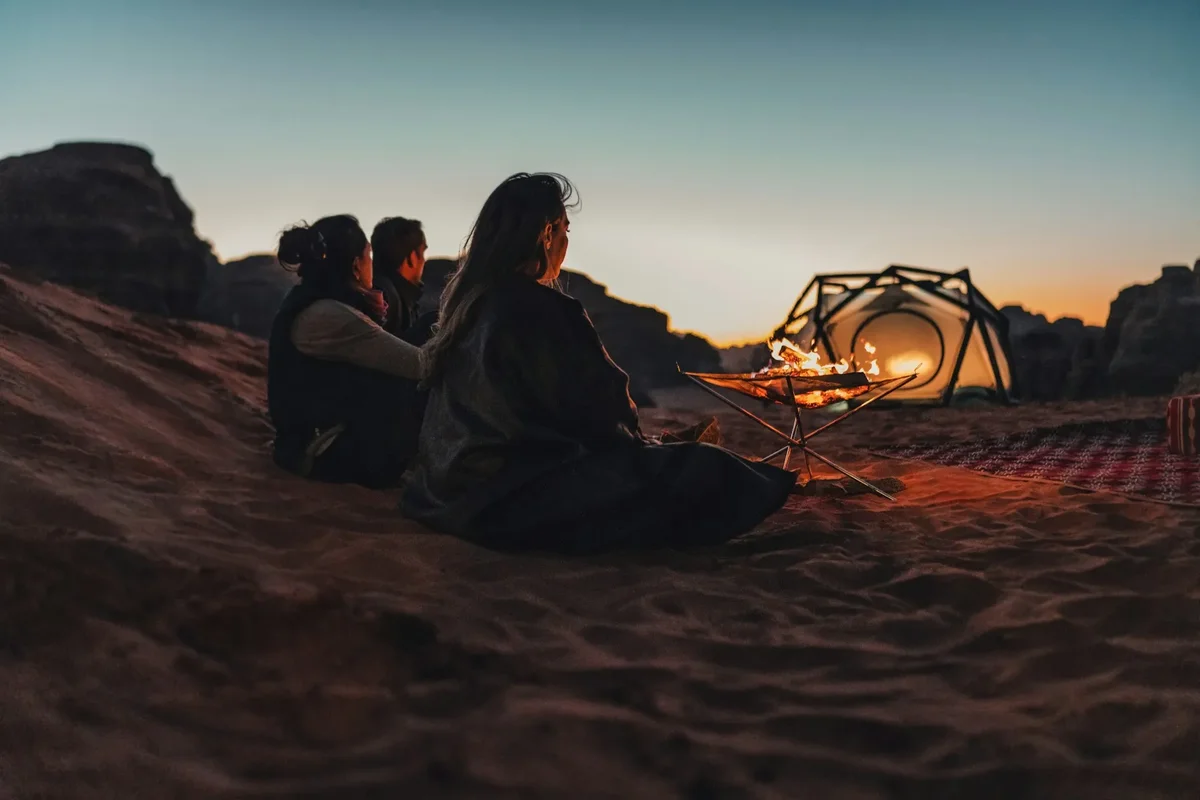
“It’s not safe, especially for women”
Contrary to popular belief, cities like Dubai, Doha, and Muscat are considered among the safest in the world, with strict laws protecting public safety and women’s security.
“There’s no vegetarian food available.”
In reality, the region has a strong culture of plant-based dishes like hummus, falafel, tabbouleh, and lentil soups, and Indian cuisine is widely available in most cities. Asian, Mexican, Italian and Ethiopian cuisines are widely available.
“Alcohol is completely banned in the Middle East”
Alcohol is legal and available in many countries like the UAE, Qatar, Bahrain, and Oman, where it’s served in licensed hotels, bars, and restaurants (though public intoxication is illegal). Tourists in the UAE can also buy alcohol from stores without a license. However, in Saudi Arabia, alcohol remains fully banned with strict penalties. Always check local laws, avoid drinking in public, and consume responsibly within designated spaces.
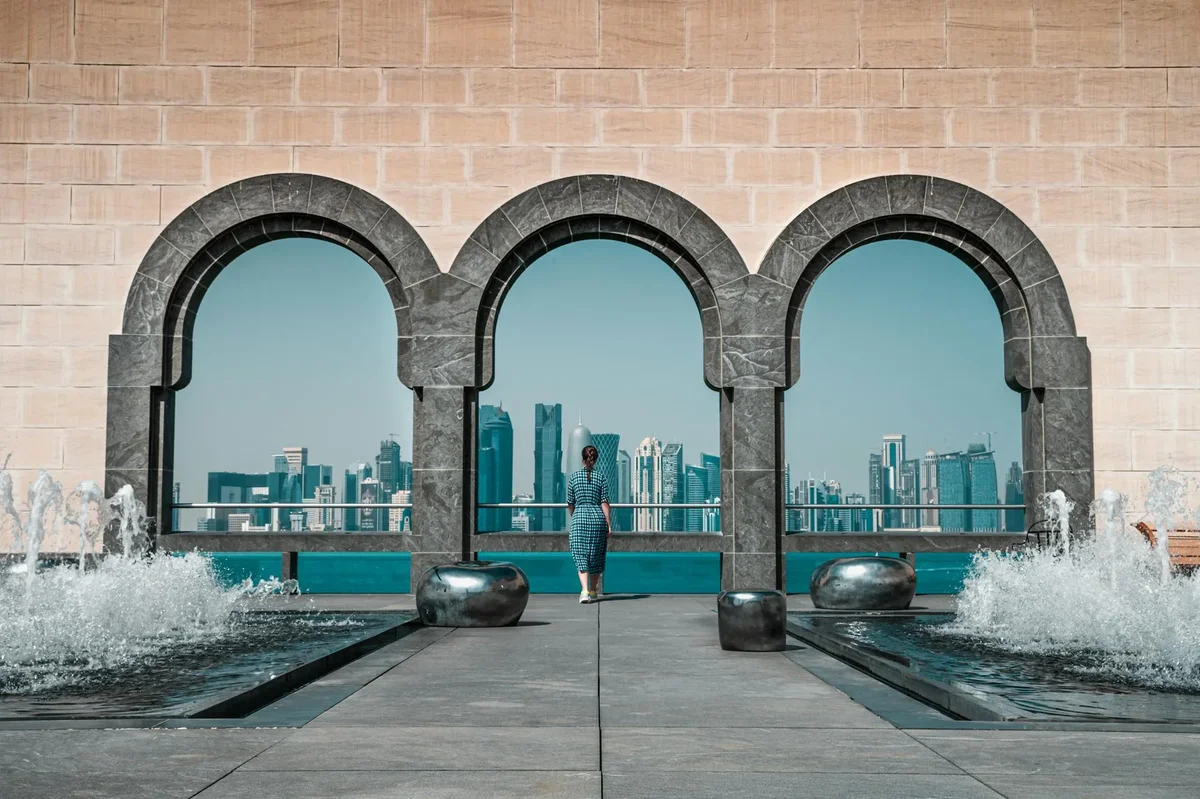
“It is all desert and camels”
Cities like Dubai, Abu Dhabi, and Doha are modern metropolises with skyscrapers, metros, and luxury living, on par with global cities. Even more traditional places like Muscat and Amman blend natural beauty with city life, far beyond the desert cliché.
“Dubai is known for illegal fun”
With the rise of nightclubs, beach clubs, day parties, and both indoor and outdoor raves, Dubai might feel like the Middle East’s answer to Ibiza. However, it’s essential to understand that the UAE has a strict zero-tolerance policy on drugs — even trace amounts in your system can lead to jail time, heavy fines, or deportation. For travellers, this includes over-the-counter medications that may be legal at home but banned locally. Always carry valid prescriptions and avoid any form of recreational drug use, no matter how casual the setting may seem.
“Women can’t travel alone or drive in Saudi Arabia”
Fact: As of 2018, women in Saudi Arabia are legally allowed to drive, apply for passports, and travel without a male guardian’s permission. Solo female travel is entirely permitted, and tourist visas are issued to women from around the world without needing a mahram (male guardian). In major cities like Riyadh and Jeddah, it’s increasingly common to see Saudi and expat women driving, dining out, and exploring on their own.
“Dubai is the most affluent city in the Middle East”
Although Dubai is often associated with glitz and glamour, the wealthiest Middle Eastern cities by GDP per capita are Doha ($121,600), Abu Dhabi ($81,700), Manama ($67,800), Riyadh ($61,900), and Kuwait City ($51,000).
What is living in the Middle East actually like?
As someone raised in the UAE and shaped by a third-culture upbringing, I speak from a place of lived experience when I say that living in the Middle East often mirrors the values found in Asian households, where family, food, rituals, and shared customs sit at the heart of daily life.
At its core, the Middle East is a land of community, continuity, and compassion, where residents, both native and newcomer, often find themselves surprisingly at home. There’s a strong sense of belonging, even in cities filled with people from all corners of the world.
While native Arabs are often afforded certain privileges and lifelong government support, expats, too, are embraced and gradually woven into the social and cultural fabric of the region.
What makes living in the Middle East unique is that while it may not offer permanent residency in the conventional sense, it provides something equally powerful: safety, dignity, and a sense of continuity. For the most part, daily life here flows with a sense of peace — undisturbed by wider political turbulence — and communities are allowed to grow, work, and thrive.
The region’s youth are globally minded, often studying and working abroad before returning home with fresh ambition. This global perspective, combined with a deep creative spirit, shines through chart-topping musicians like Nancy Ajram and Amr Diab, acclaimed actors such as Golshifteh Farahani and Haaz Sleiman, celebrated chefs like Yotam Ottolenghi and Anissa Helou, Olympic athletes like Mohamed Salah and Mutaz Barshim, and visionary artists like Hassan Hajjaj and the late Zaha Hadid, all proudly carrying their Middle Eastern identity onto the world stage.
Rethinking life in the Middle East: A balanced view
External perceptions often confine the Middle East to a story of internal conflict and stereotypes. While some areas certainly face challenges, to define an entire region by these narratives is to overlook the very real peace, beauty, and ambition that pulse through its cities and communities every day. Take women’s safety, for instance. In countries like the UAE, Qatar, and even Saudi Arabia, public infrastructure is intentionally built to include women-only spaces — on buses, in metros, prayer rooms, and in taxis. These aren’t signs of exclusion but examples of how public comfort and respect are designed into the fabric of daily life. It’s not perfect, but it’s a lot more nuanced than outsiders often assume.
The Middle East is far from a single story — it’s not just cities or souks, conflict or couture — it’s a dynamic tapestry of ancient traditions, cutting-edge modernity, and stunning natural wonders. Below are a few examples of places in the Middle East that offer unmatched beauty, groundbreaking innovation, and experiences that will truly captivate your senses.
Saudi Arabia’s Vision 2030 is no PR gimmick — it’s actively reshaping the country, from building The Line, a 170-km mirror city of the future, to Trojena, a vertical ski village tucked into 2,500-metre desert mountains where you’ll be able to ski year-round. And there’s Shebara — Saudi Arabia’s answer to the Maldives, a coral-fringed Red Sea island destination where overwater villas and bioluminescent waters are being developed with sustainability at the centre of it all.
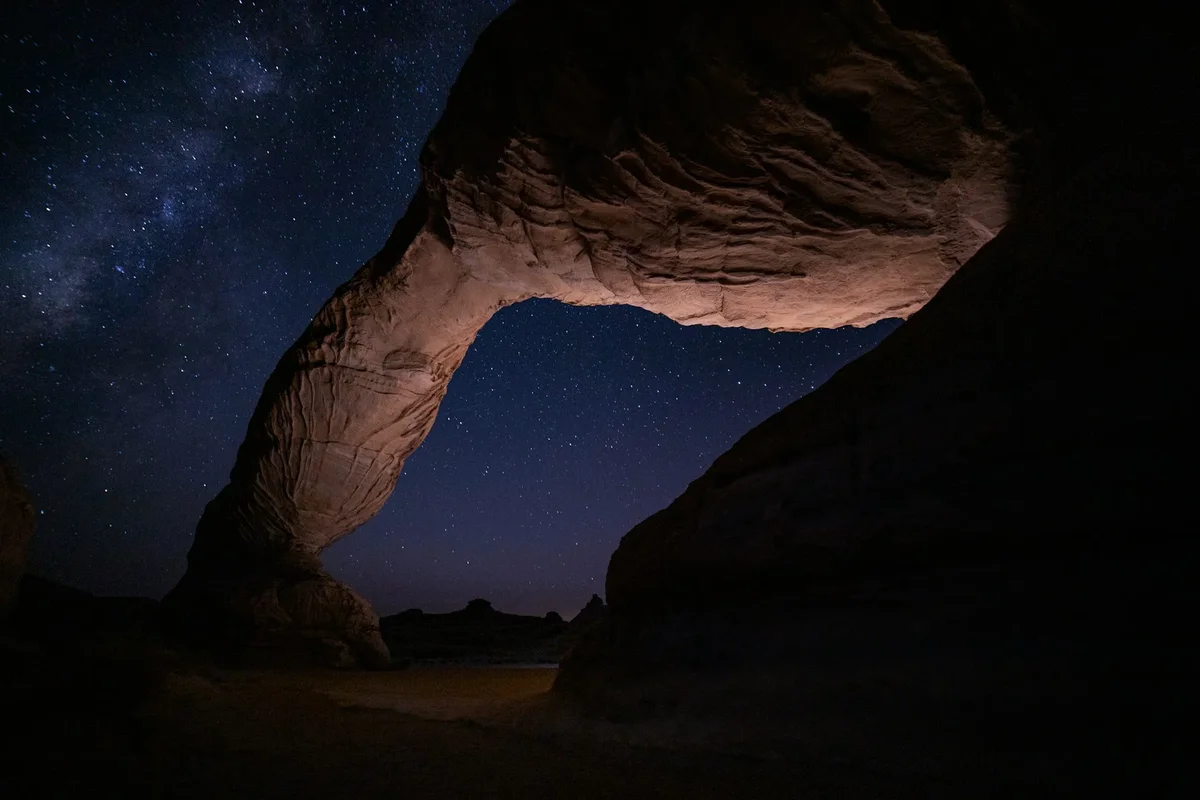
And then there are places like AlUla. Not just an archaeological wonder, but a surreal convergence of ancient civilisations and contemporary art. Imagine walking through Nabataean tombs carved into golden sandstone and then attending an open-air concert under the stars, surrounded by rock formations sculpted by wind over centuries. AlUla is one of those places that leaves you silent, not because it demands it, but because it deserves it.
The UAE has its own multi-layered story. Dubai continues to be the region’s launchpad for ideas, business, and creative energy. It’s where expats build futures, where communities are forged, and where high-net-worth individuals quietly build global empires. Abu Dhabi takes it slower — refined, thoughtful, built for those who find beauty in tradition, architecture, and legacy.
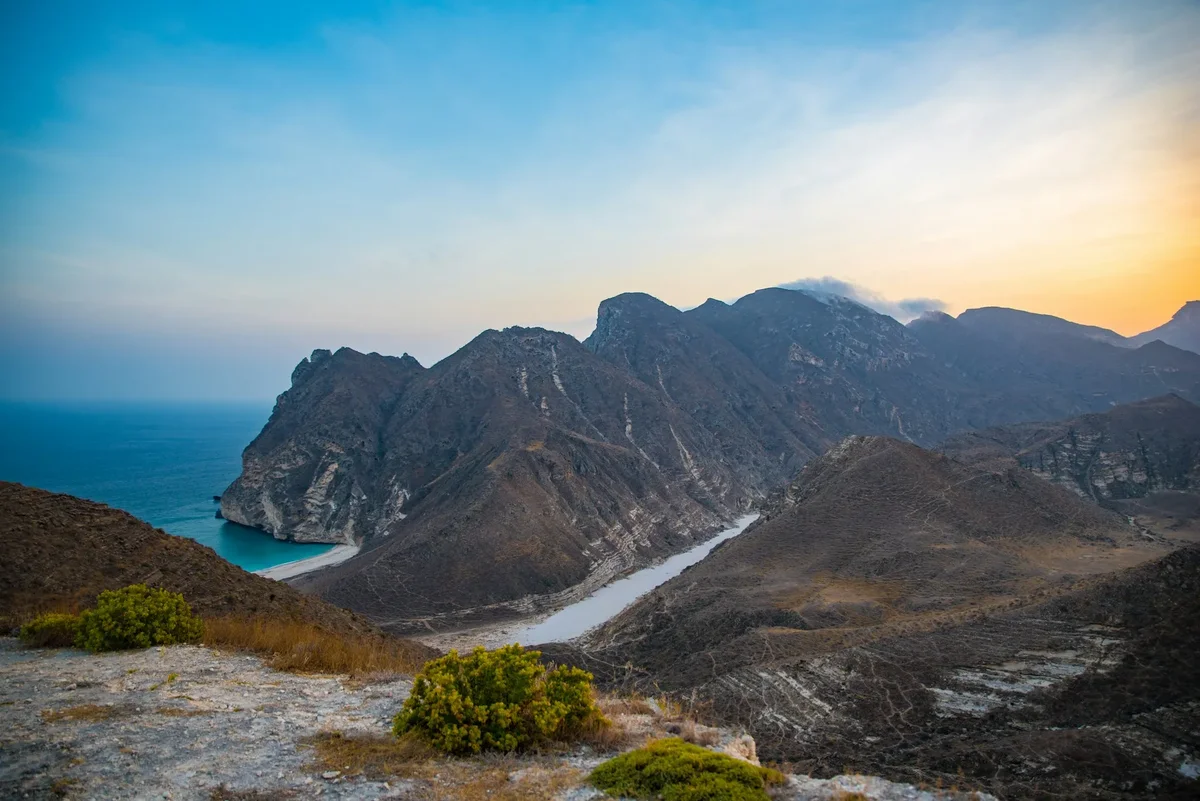
Oman, though, is the region’s most underrated gem. It’s where you can swim beside whale sharks, snorkel with turtles, and spot reef sharks on a regular Thursday afternoon. From rugged wadis to untouched beaches, Oman connects you to nature in an almost primal way. And its small towns — Sur, Salalah, Nizwa — are full of quiet magic and kind people.
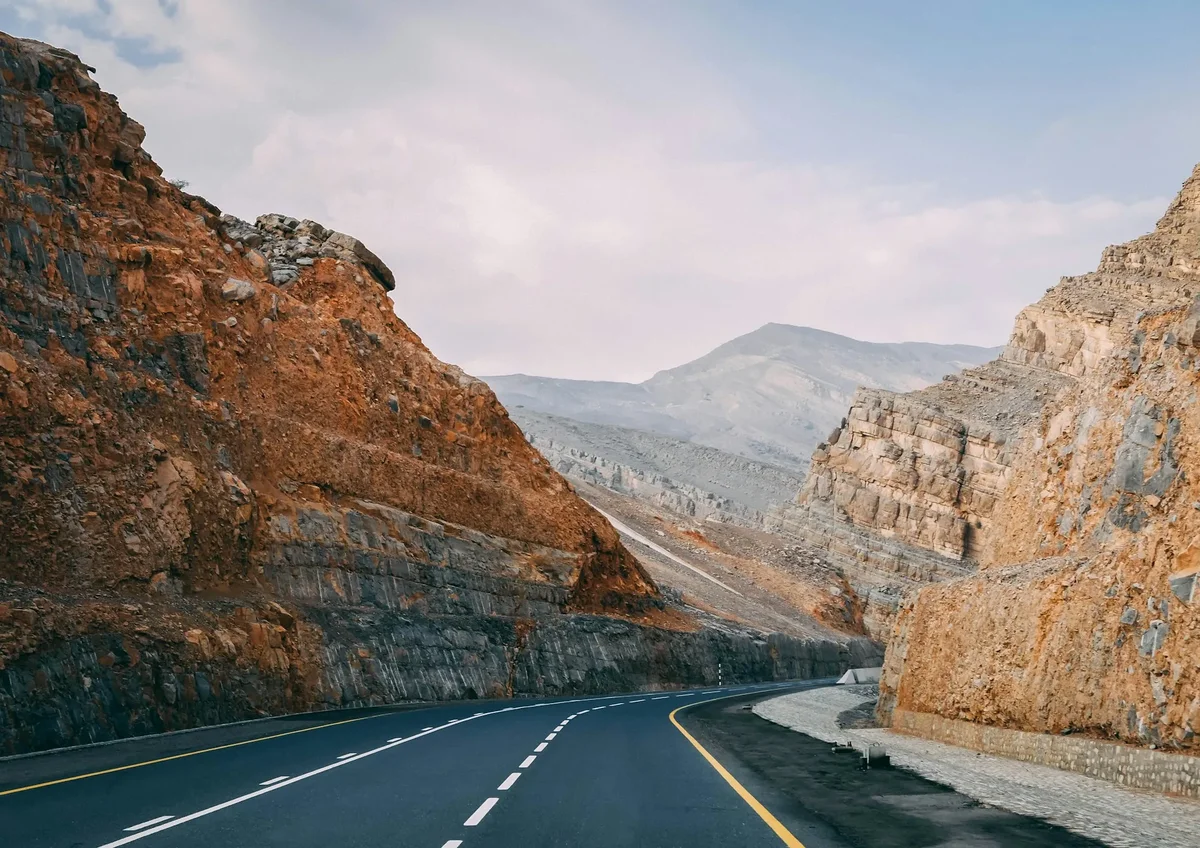
Even the quieter Emirates deserves more credit. Fujairah’s mountain terrain, Ras Al Khaimah’s desert farms and dramatic coastlines, and Al Ain’s oasis life — all of it captures something raw and real about living in the Middle East that luxury hotels and polished skylines never could.
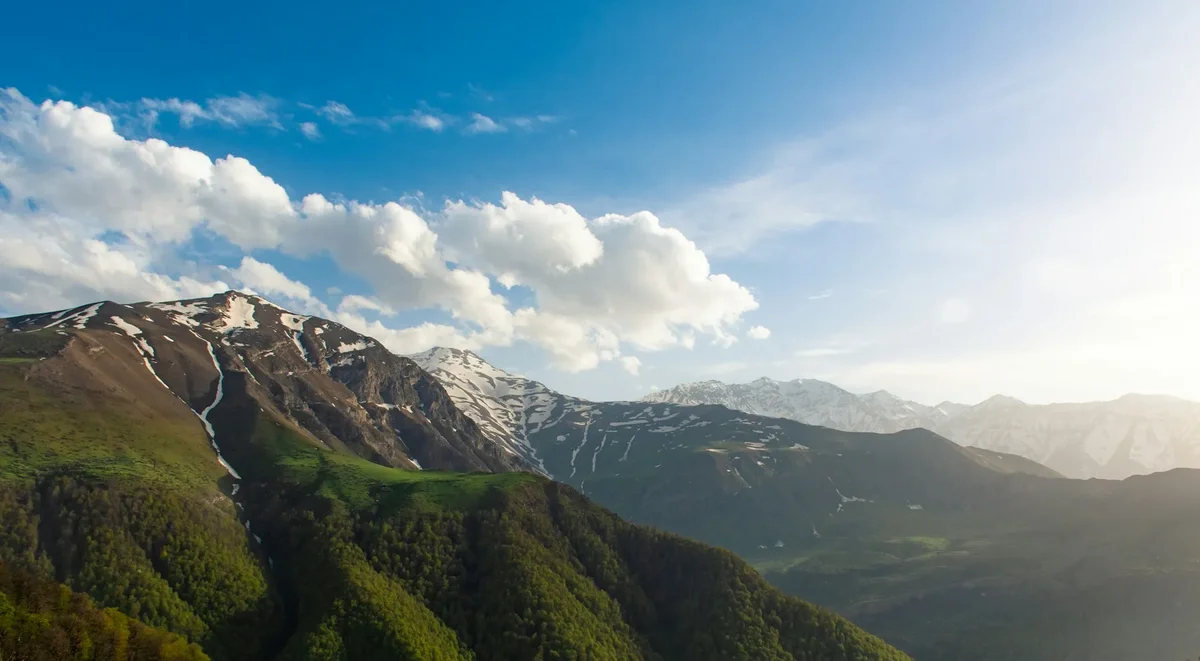
Beirut, with all its grit and resilience, is still the cultural heart and nightlife capital of Lebanon. Parts of Iran — like Kelardasht or the Caspian coast — genuinely give Switzerland a run for its money with their alpine peaks, fresh mountain air, and pine-covered slopes.
Tips for travellers
- Do not speak rudely to staff: There are no specific laws governing this, but speaking kindly and with respect is common culture here. Do not blow a whistle, ‘shhh’ to indicate, or use slang to signal your waiter. It is common courtesy to raise your hands and make eye contact with a server or ask the receptionist to find someone to help you.
- Tipping is great, but not mandatory: There are no stringent laws on tipping here; however, if service exceeds your expectations, tipping is looked upon as a positive gesture.
- Avoid loud and handsy behaviour in public spaces: Engaging in drunken behaviour after a night out, characterised by obnoxious body language, screaming, and causing havoc, is generally frowned upon. You may be signalled by staff to tone it down or move to a more private area. Avoid arguments, rude gestures, or loud confrontations. Laws around public behaviour can be strict, especially in the Gulf. Swearing loudly in public, even online, can lead to fines or legal trouble in places like the UAE if noticed or reported by residents or the police.
- Do not take photos of local Arabs or women in public: It is not illegal to take casual pictures in public, but it’s illegal to photograph people — including strangers — without their consent or in restricted zones. If someone asks you to delete an image, do so. The laws are strict — privacy and security are deeply embedded in Emirati culture and upheld through legal enforcement.
- Filming public content as a creator or influencer: Influencers can legally record content for personal or social media use in public areas like cafés, parks, and beaches, but filming inside malls, hotels, or private venues usually requires prior permission, and under all circumstances, filming people without their consent is strictly prohibited.
- Men need to be dressed modestly, too: It’s a myth that only women need to dress modestly in the Middle East. In line with Middle Eastern culture and Islamic norms, it usually means avoiding sleeveless tops, very short shorts, or tight clothing. In conservative countries like Saudi Arabia or Kuwait, long trousers and covered shoulders are the norm, while in places like the UAE or Qatar, smart-casual Western wear is widely accepted, especially in urban areas.
FAQs (Frequently Asked Questions)
- Yes, the Middle East is generally safe for Indian travellers — especially in countries like the UAE, Oman, Qatar, Jordan, and Bahrain, which are popular, stable, and welcoming destinations.
- Yes, Indian women can safely travel alone in much of the Middle East, as long as they dress modestly and respect local customs.
- While Middle Eastern countries share cultural threads like hospitality, religion, and family values, they’re far from identical. Each nation—from Iran to Lebanon to the UAE—has its own distinct language, traditions, and social norms.
- No, alcohol is not completely banned in the Middle East — its availability varies by country. While it’s strictly prohibited in Saudi Arabia and Kuwait, it’s legal in the UAE, Bahrain, Qatar, Oman, and Lebanon within licensed venues like hotels, bars, and restaurants.
- Yes, you’ll easily find vegetarian and Indian food across most Middle Eastern countries, especially in the UAE, Qatar, Oman, and Bahrain, as there are large Indian communities there.
- Yes, you can wear Western clothes in countries like the UAE and Qatar, especially in cities like Dubai, Abu Dhabi, and Doha, where the dress code is relatively relaxed.
- No, unless you’d like to take up a job in any client-facing industries like hospitality, retail, etc.
- Yes, locals in Middle Eastern countries like the UAE, Oman, and Qatar are generally warm and welcoming toward Indians, thanks to deep cultural and community ties.
- It can get very hot, especially in summer (June to September), but many Middle Eastern countries are well-equipped with air-conditioned transport, malls, and hotels, making travel comfortable year-round.
- Indian travellers should respect local customs, dress modestly, and follow public behaviour laws for a safe and enjoyable trip to the Middle East.
- No, the UAE doesn’t offer passports to most expats, regardless of how long they've lived there. However, long-term residency options like the 10-year renewable Golden Visa provide stability without citizenship.