This year’s Art Dubai's Special Edition is free, open to everyone, and running at Madinat Jumeirah from 15 to 17 May. And the best part is, a lot of it is yours to take home. Not metaphorically. You can actually buy something you like, wrap it, and take it home.
Over 100 presentations spanning contemporary, modern, and digital practices fill the space, but what makes this year different is the energy behind them. Arab artists. GCC-born creatives. Homegrown voices that have been building something extraordinary, often without the fanfare they deserve. Creatives born and raised in this region, who kept returning up to the studio when the world outside made that feel almost absurd. Who made work anyway.
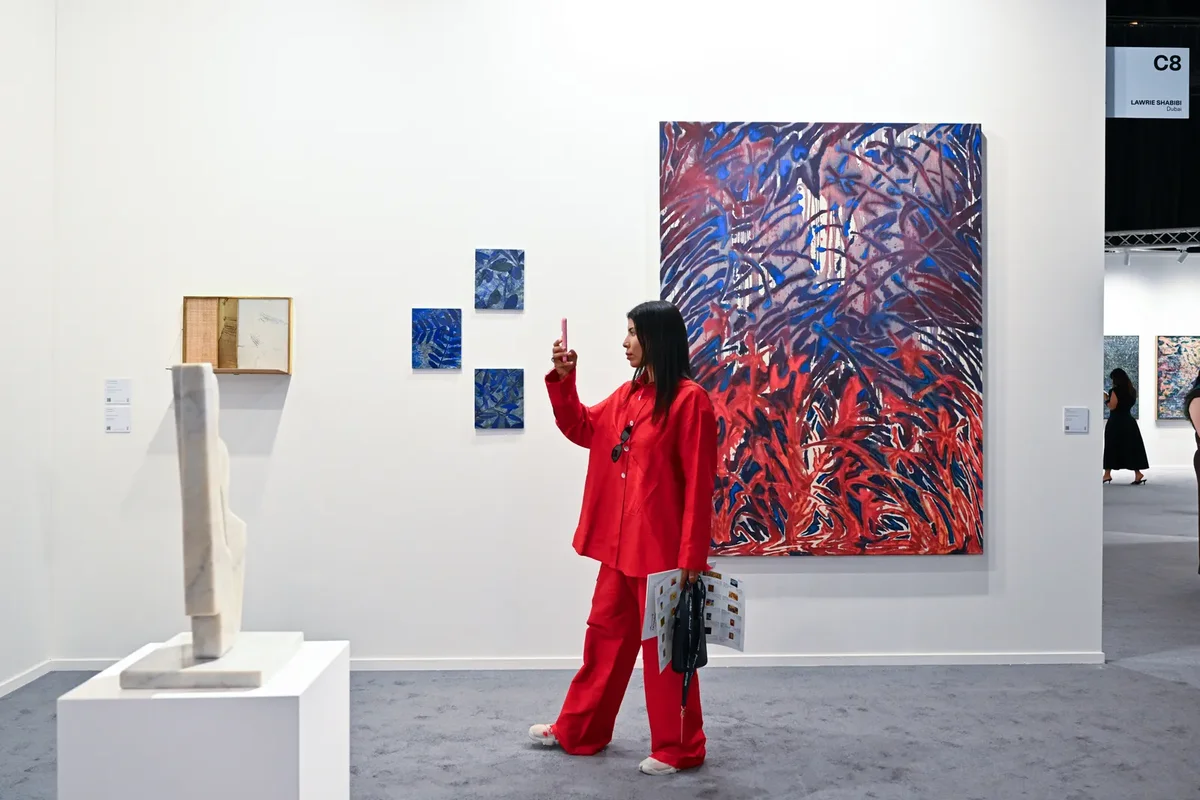
The programme this year is anything but minimal. Khalid Al Banna, Hashel Al Lamki, Rami Farook, Kevork Mourad and others have created large-scale installations woven directly into the fabric of the fair — work you don't just look at, you walk through it. Made Forward brings the Dubai Collection into focus for the first time as a unified institutional body, while Pulse gathers Arab masterpieces from the Barjeel Art Foundation — Mahmoud Said, Samia Halaby, Safeya Binzagr — in one room, which is not something you take for granted. Moving, co-curated with Alserkal Avenue, puts 13 artists' moving image works on screen across two locations, and Against Stillness with Sharjah Art Foundation brings live performance into the mix — raw, bodies-in-space, unmissable. The Global Art Forum hits its 20th edition this year, titled Before and After Everything — and if that doesn't feel pointed right now, you're not paying attention. The HUNA Talks pull in voices from across the creative industries on how art shapes the way we live and build identity. And the DXB Store is back, stocked with objects made by UAE-based designers and makers.
Come, most of all, because our generation is the one that gets to decide what Arab culture looks like next, and that's a powerful decision being made live, as we write history.
Template 21, Hassan Mannana
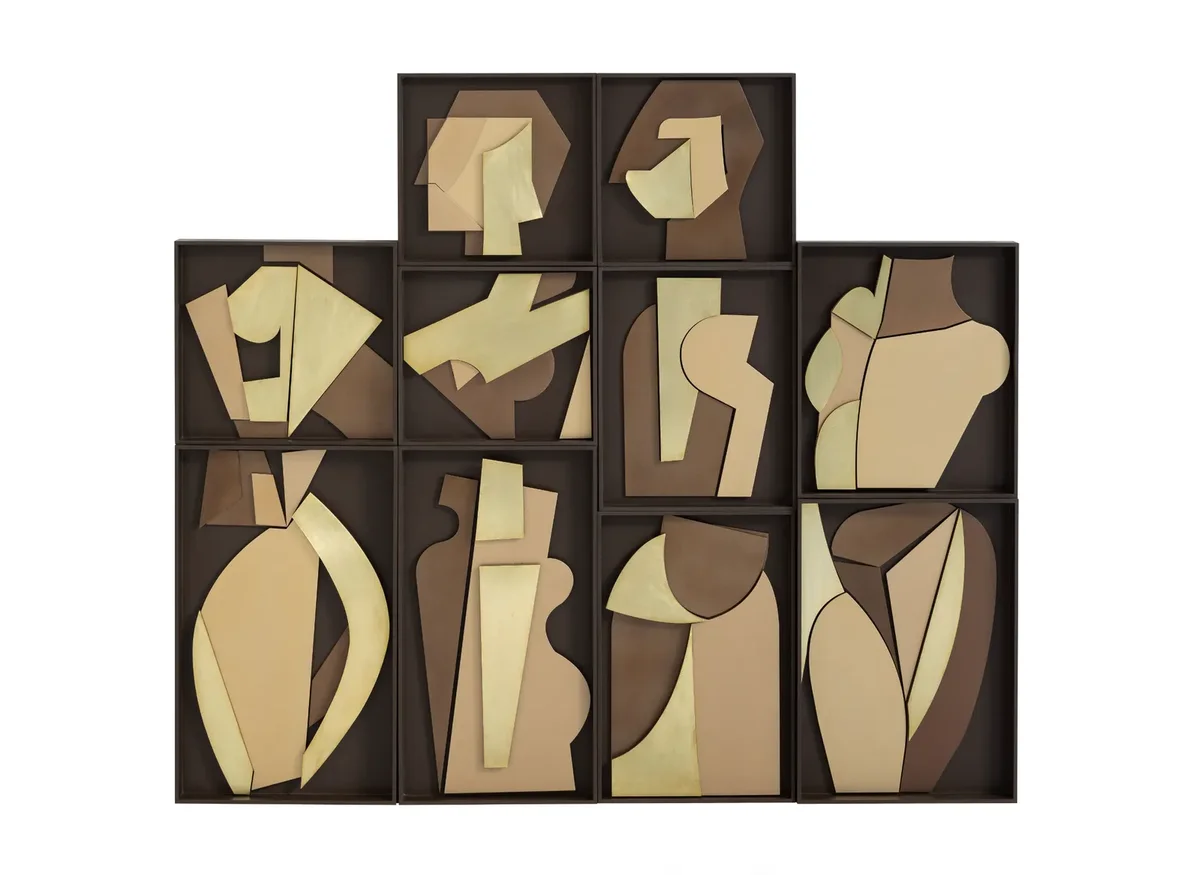
Hassan Mannana builds bodies out of leather, wood, and brass. The self-described conceptual anthropologist, based in Taroudant, makes work that pushes back against a world quietly reducing us to data points, insisting that real human connection has always been physical, tactile, and beautifully imperfect. Walk past his sculptures and you will feel it before you understand it.
The Gate 9 by Mohammed Chrouro
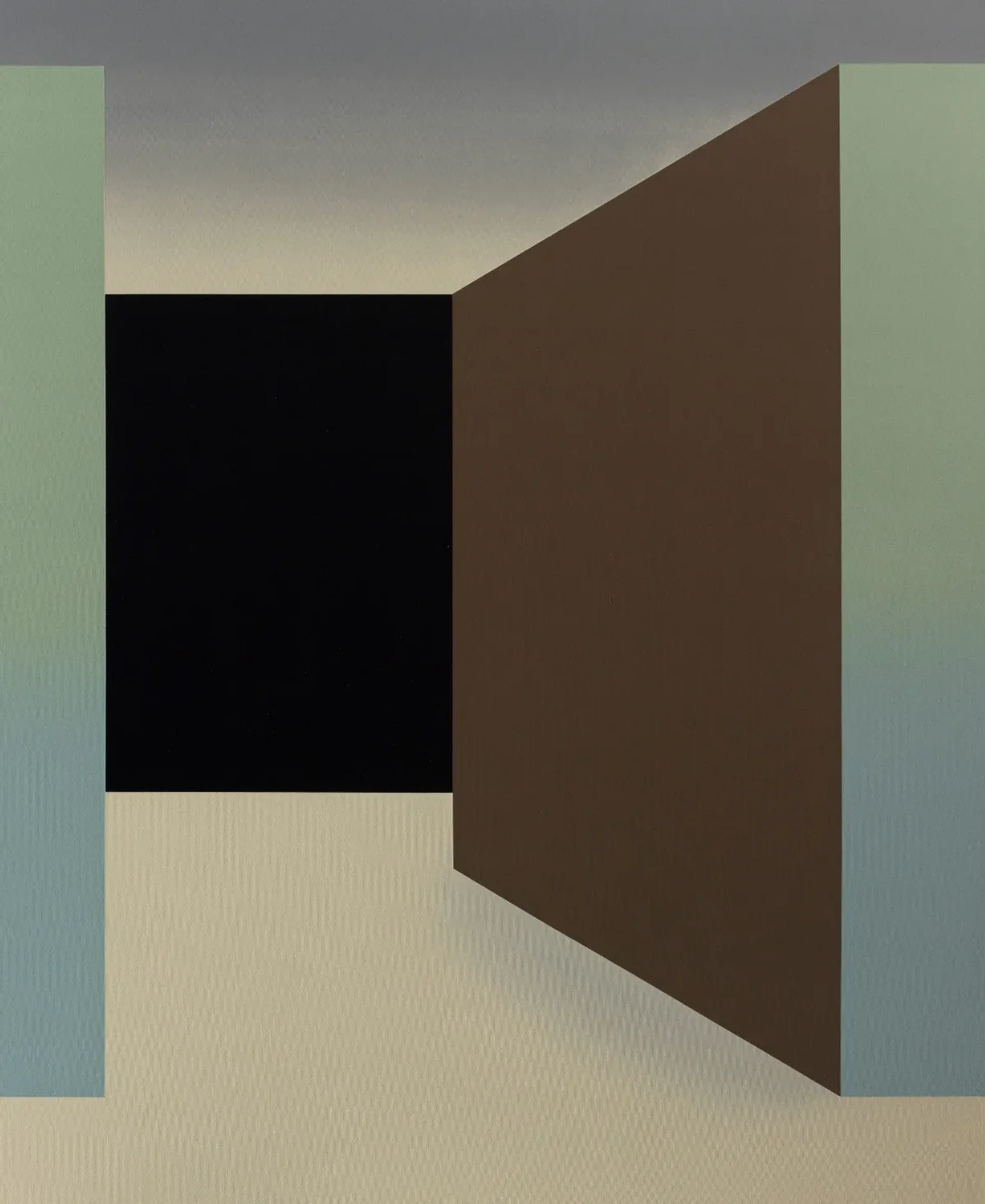
Mohammed Chrouro treats the gradient like a feeling. The Casablanca-based conceptual artist built his practice around colour transitions as emotional language, founding the New Moroccan Aesthetic and turning the screen itself into a canvas long before digital art became a conversation. His work is in the Centre Pompidou. He was doing this in 2008.
A New Era by The Wild Within
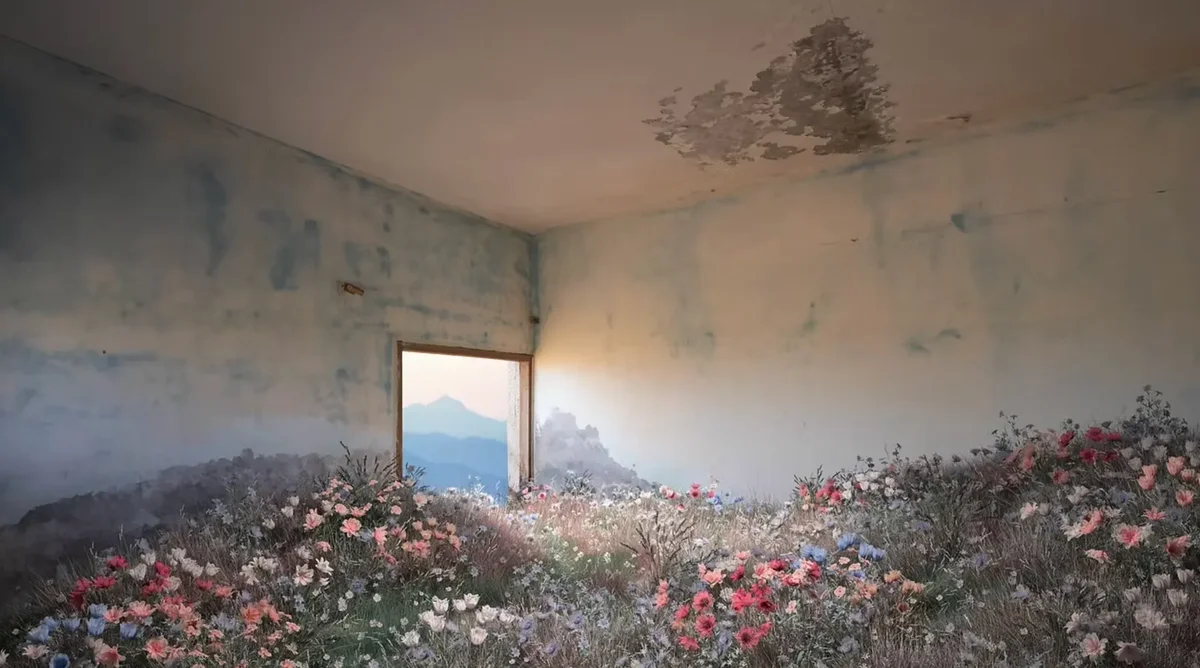
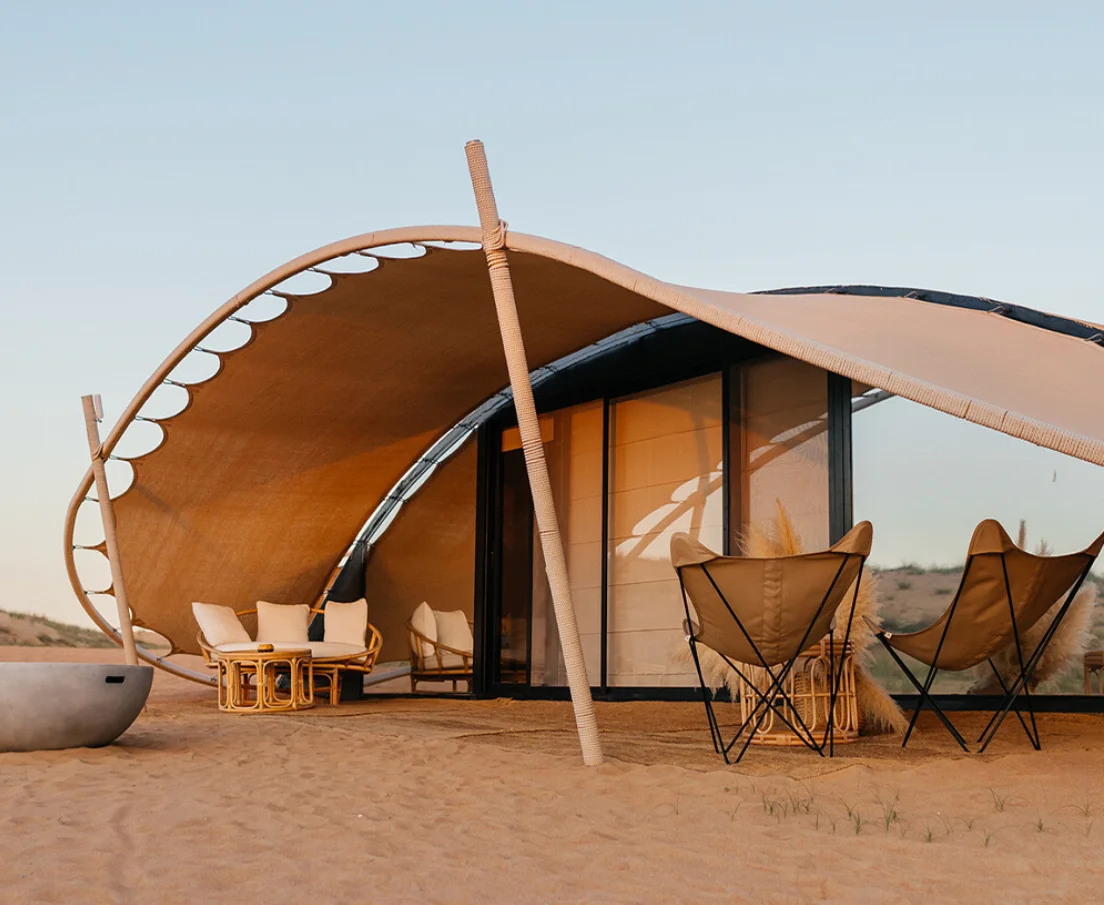
Set within the shifting sands of Sharjah’s desert, A New Era reimagines a once-inhabited settlement where traditional Emirati architecture meets the quiet vastness of the dunes. Koopmans and Wexell were drawn to the site by its serene atmosphere, the clarity and gentle geometry of its structures, and the striking palette, soft blue interior hues contrasted by the golden light of the surrounding landscape.
The Passage by Aaila Zahra Butt
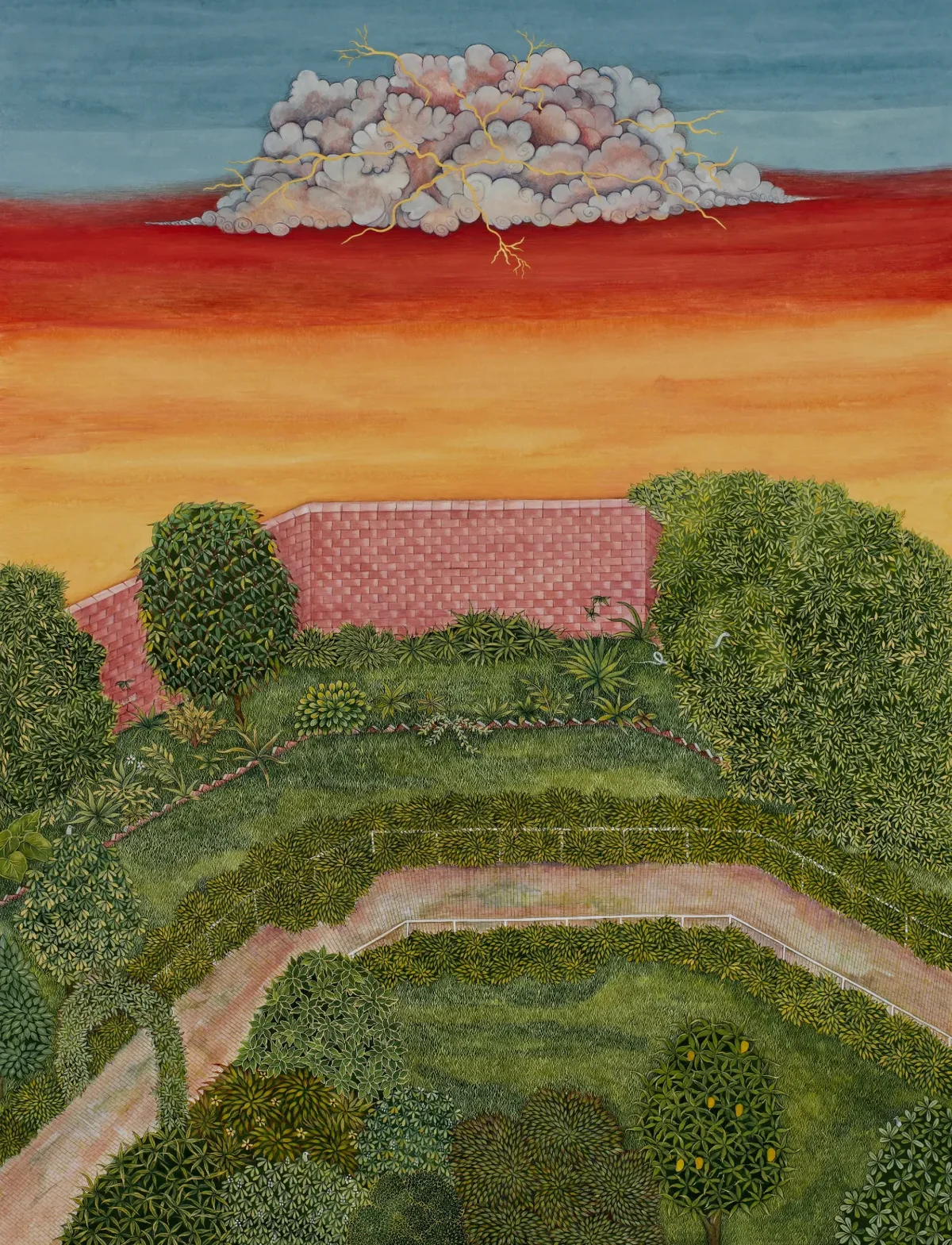
Pakistani contemporary artist Aaila Butt, presented as part of Dastaangoi Gallery, explores themes of identity, memory and emotional landscapes through richly layered mixed-media and conceptual works. In The Passage (2026), Butt transforms a cultivated garden into a psychologically charged space, where meticulous foliage and gathering storm clouds reflect the quiet tension between beauty, transition and inner unrest.
Floating City by Kevork Mourad
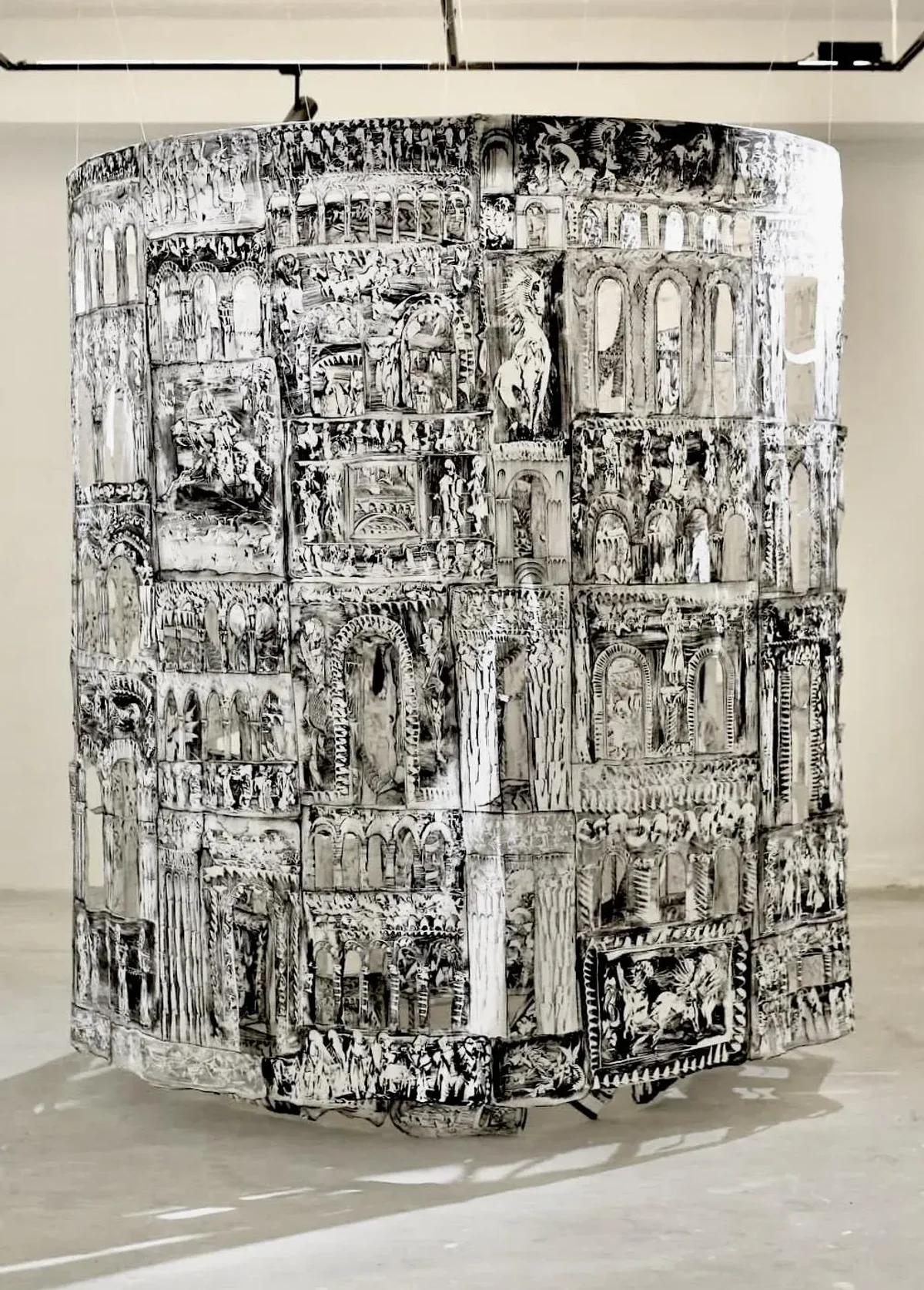
Kevork Mourad cuts cities out of fabric and suspends them mid-air. Floating City, presented by Leila Heller Gallery, is acrylic on textile, monumental in scale and weightless in feeling, built from the architecture of memory, migration, and everything that gets left behind. It looks like a city someone dreamed about after losing one.
Uninvited Guest, Mehdi Farhadian
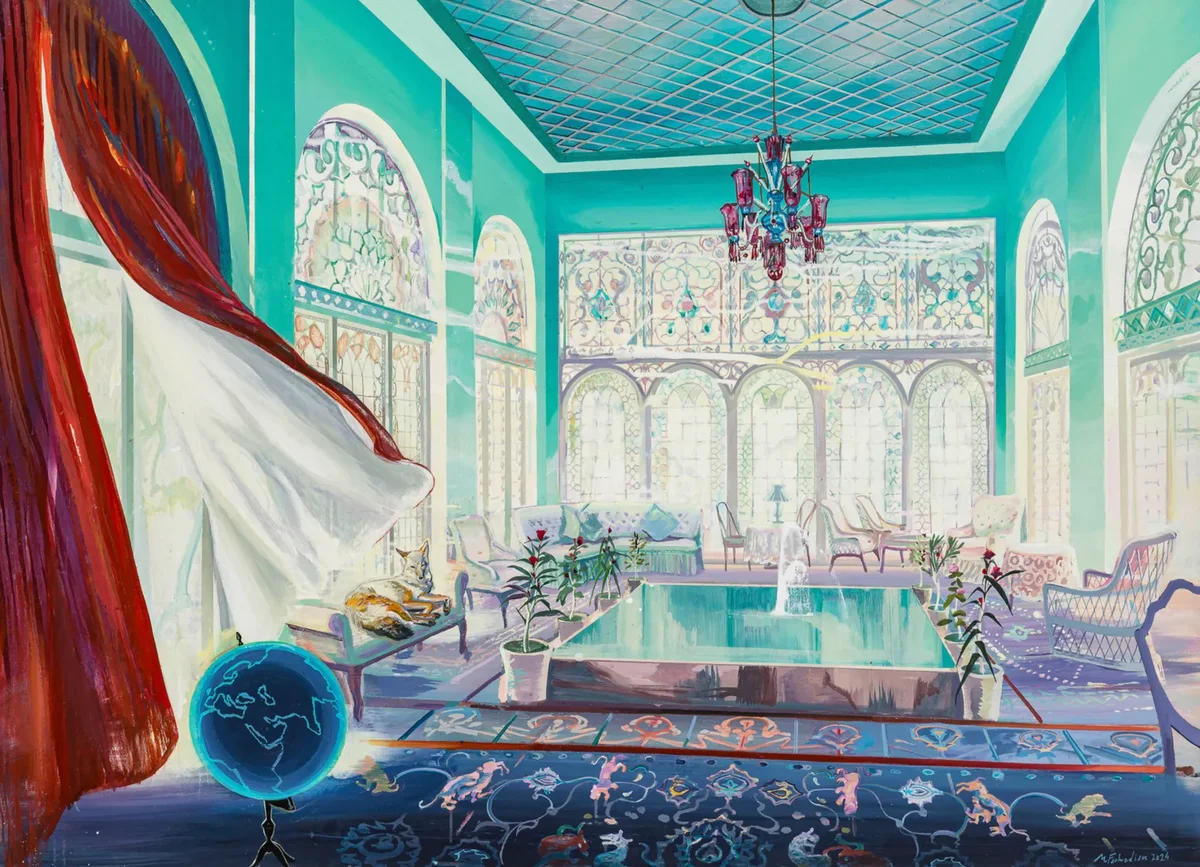
Iranian artist Mehdi Farhadian blurs realism and psychological surrealism in The Uninvited Guest, creating a work that feels simultaneously cinematic and deeply unsettling. Through muted palettes, meticulous detail and quiet tension, the painting explores intrusion, not always as a physical presence, but as memory, anxiety or emotional disturbance entering an otherwise ordinary moment.
Something or Nothing by Yaw Owusu
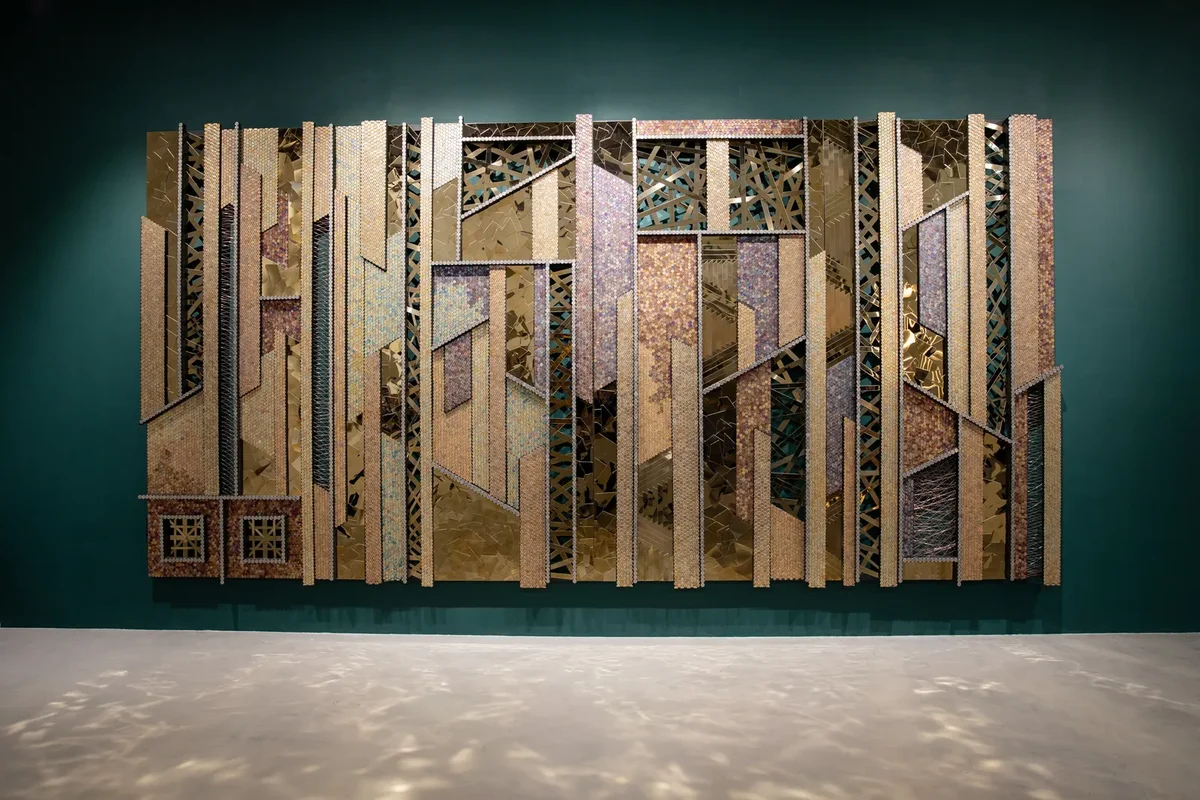
Ghanaian artist Yaw Owusu transforms currency into a meditation on survival, movement and inherited systems of value in Something from Nothing (2022), presented by Efie Gallery. Built from UAE fils, US pennies and Ghanaian pesewas, the work carries the weight of labour, migration and everyday human exchange across borders and generations.
Origins Scentscape X384 - S14817 by Studio Siddhartha Kunti P
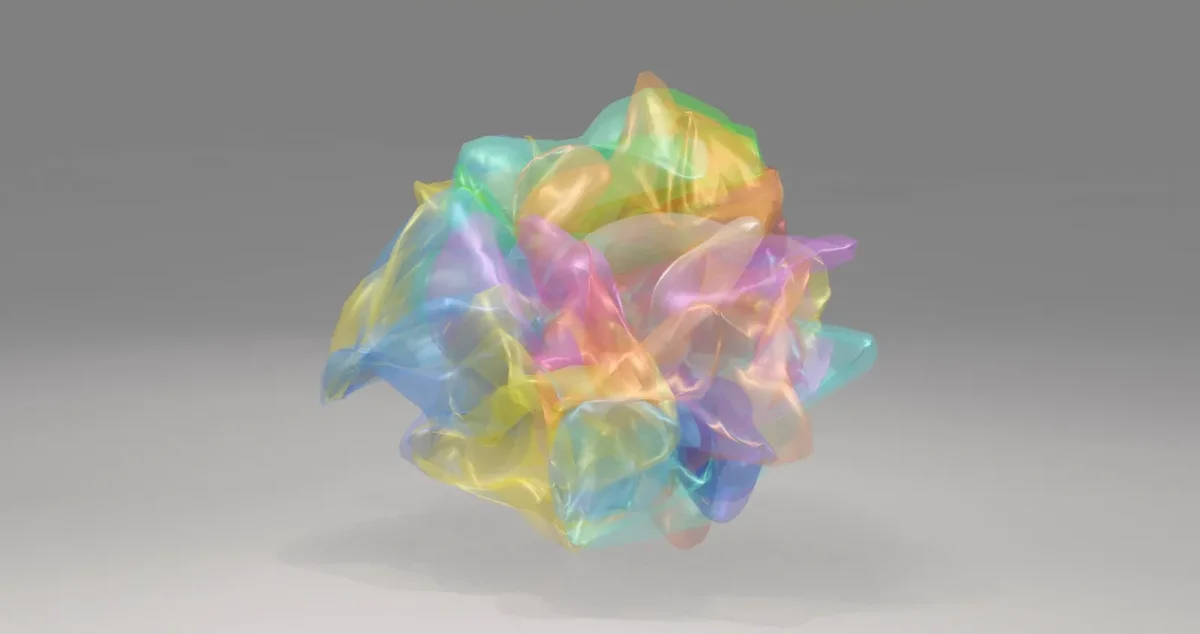
Siddhartha Kunti blurs the boundaries between science, memory and sensory experience in Origins Scentscape X384 - S14817 (2025), presented by Studio Siddhartha Kunti. Combining chemical analysis, scripting, nanotechnology and 3D modelling, the work transforms scent into something archival and spatial, treating smell as a carrier of history, emotion and identity rather than simple atmosphere.
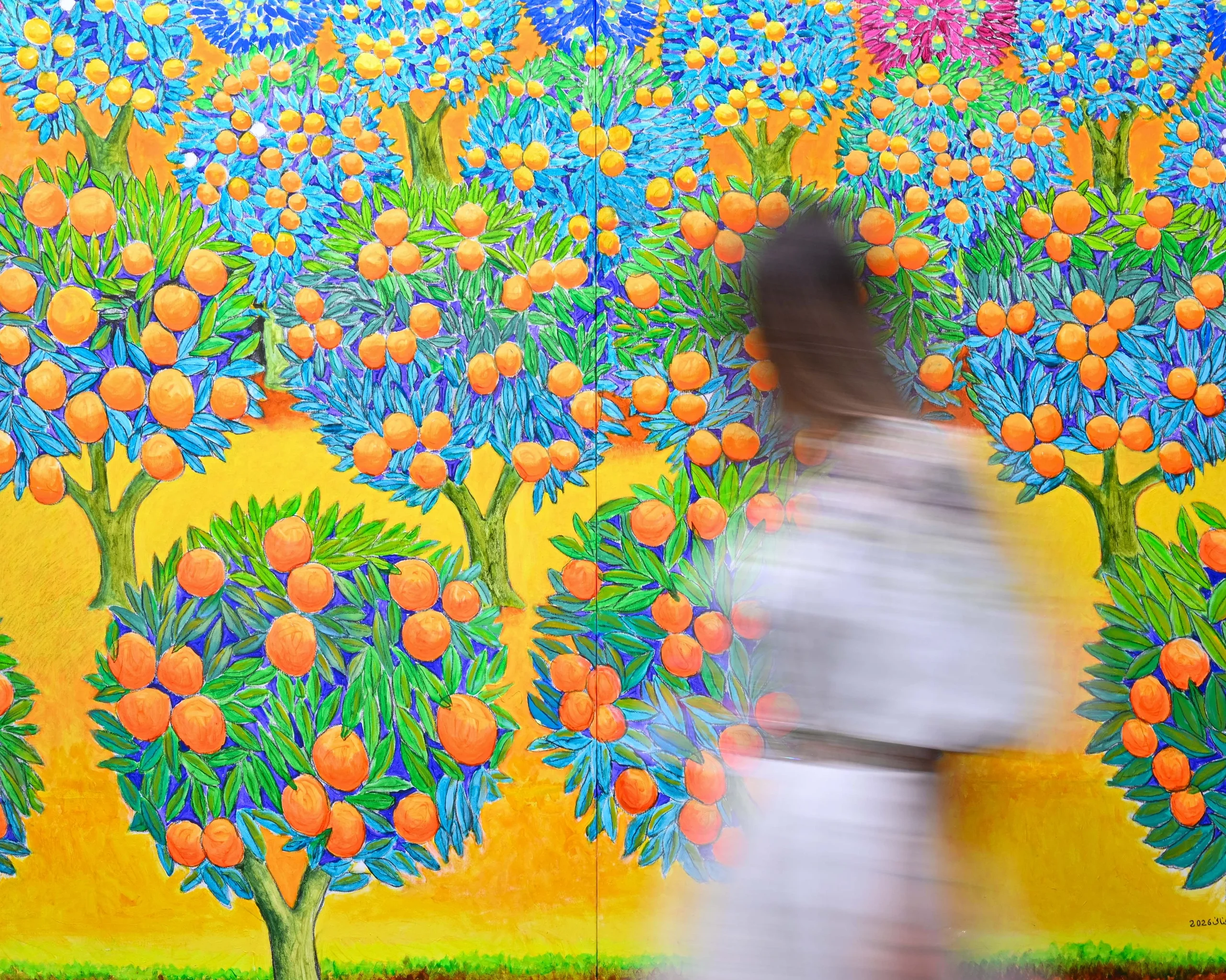
Hanging Gardens, Cherry Orchard by Randah Maddah
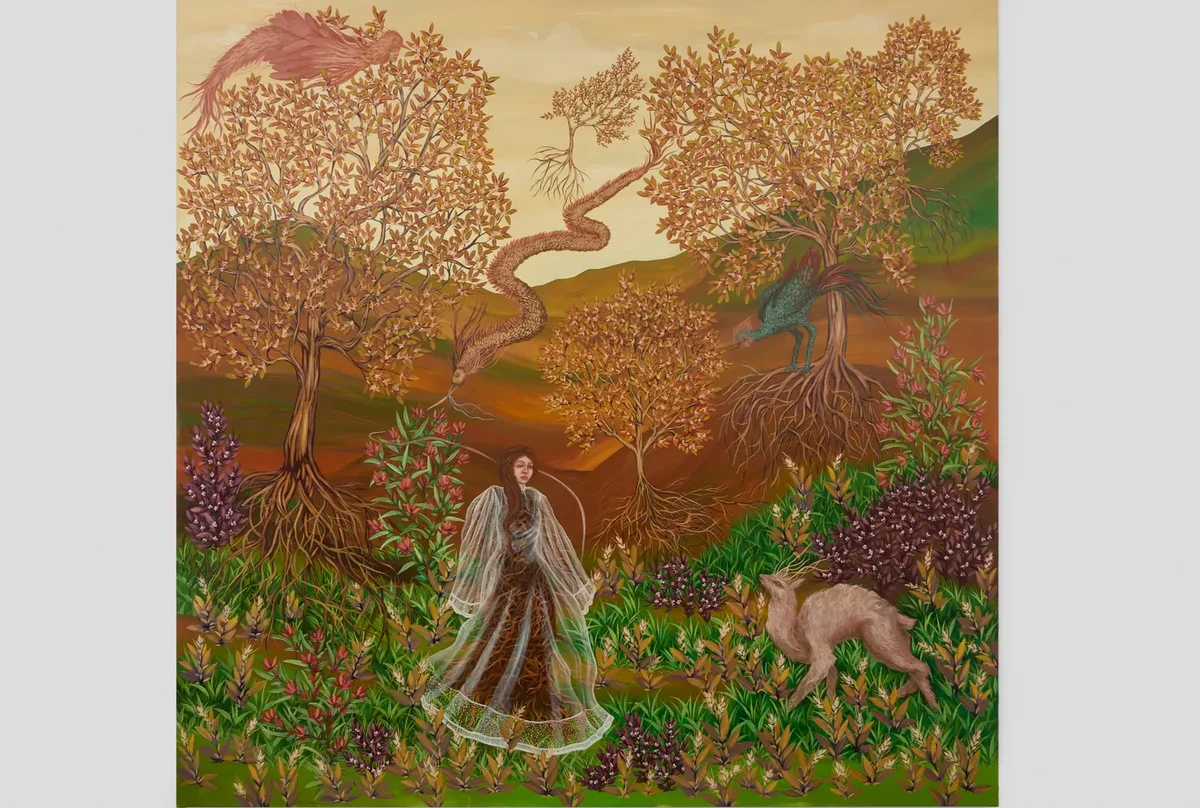
In Hanging Gardens, Cherry Orchard (2026), Syrian artist Randah Maddah explores themes of belonging, displacement and renewal through dreamlike natural imagery, presented by Tabari Artspace. Part of her wider Hanging Gardens series, the work uses uprooted trees, floating creatures and miniature-inspired symbolism to reflect on the fragile relationship between land, memory and identity.
Breathing Earth by Fatma Lootah
Emirati artist Fatma Lootah explores the relationship between the body, nature and spiritual consciousness in Breathing Earth (2019), presented by RARARES ART GALLERY. Combining sound, resin, mirrors and soil, the installation transforms natural elements into an immersive sensory experience that reflects humanity's fragile connection to the earth and the rhythms of life itself.
Songs for Swinging Lovers by Alfred Tarazi
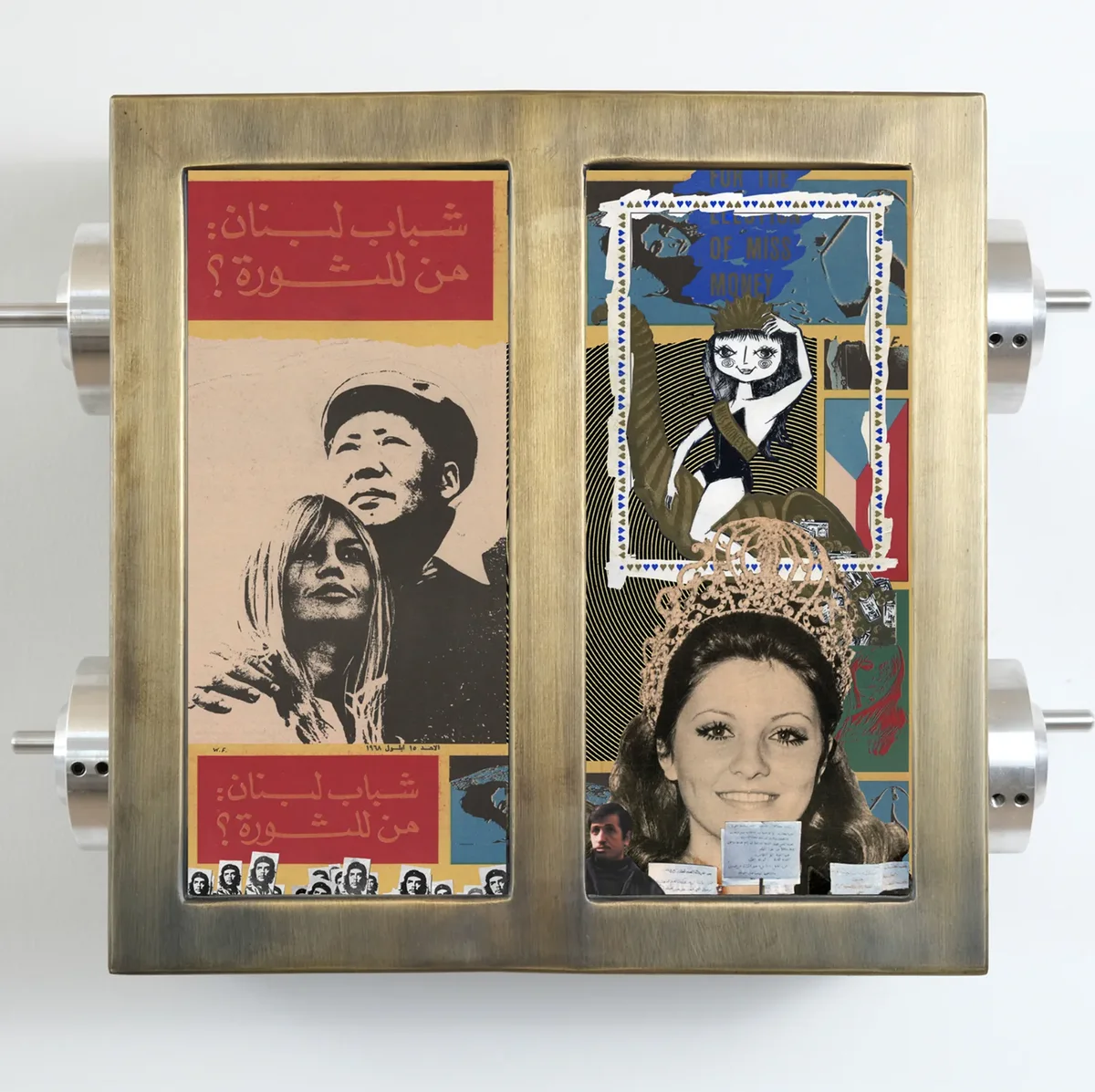
Alfred Tarazi puts propaganda and beauty queens in the same frame and lets you sit with discomfort. Songs for Swinging Lovers, presented by Blue Rose, layers archival imagery, Arabic text, and revolutionary iconography alongside the language of celebrity and popular media, asking how we got so comfortable consuming ideology and glamour in the same scroll. It is unsettling in the best way, the kind of work that changes what you see when you look at old photographs afterward.