More than a spa, a Moroccan hammam is a cultural sanctuary of steam, kessa scrubs, aromatic oils, and timeless rituals that cleanse, heal, and rejuvenate both body and spirit.
When I first heard about the Moroccan hammam, I assumed it was just another spa — but it is, in fact, one of the oldest and most meaningful rituals in Morocco’s history. As my guide in Marrakech explained, the hammam is not just a place to bathe, but a cornerstone of Moroccan life that has existed for centuries.
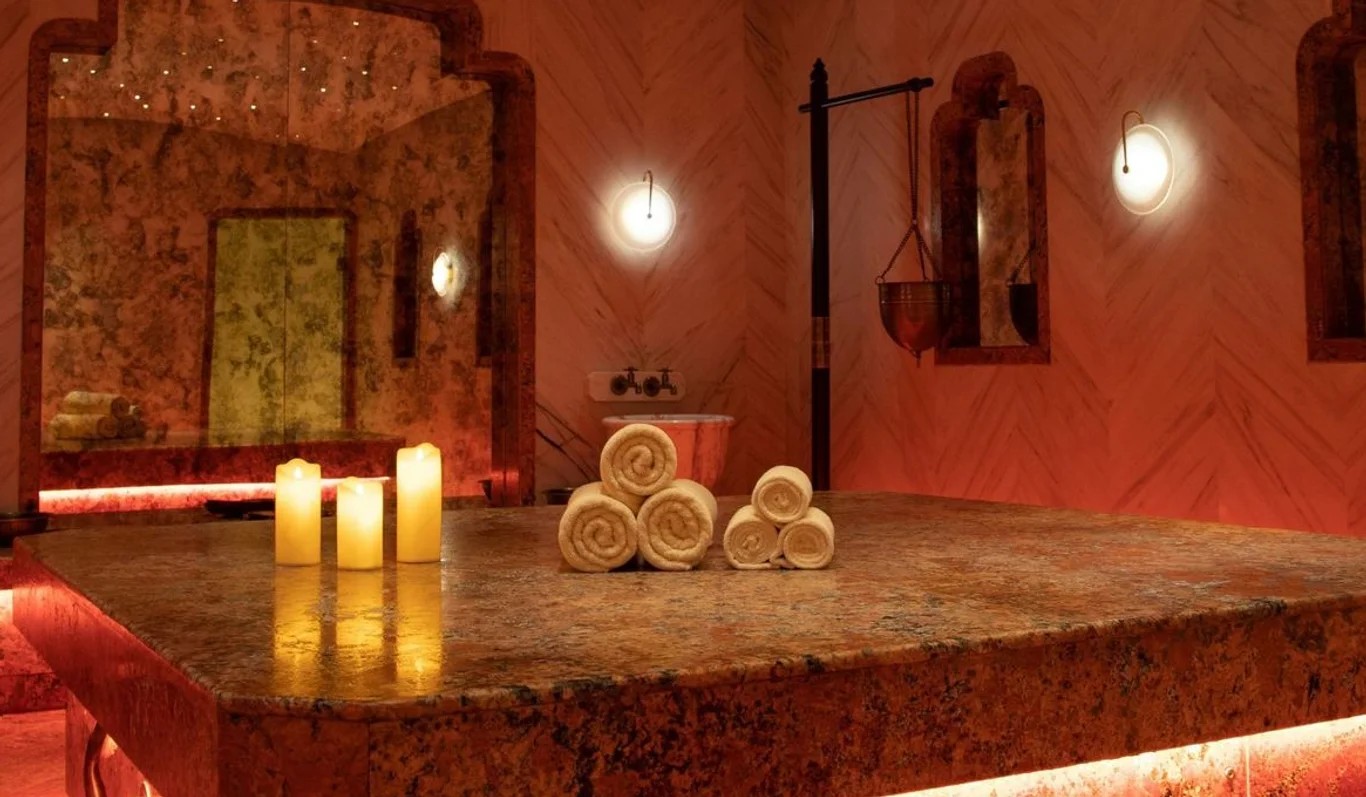
Hammams had served as a communal gathering place, where people came not only to purify the body but to connect, to reflect, and to rest. Inside, the architecture still carries that sense of reverence, arched ceilings that hold the steam, walls lined with zellige tiles, marble basins brimming with warm water. Even today, stepping into a hammam feels like entering a living piece of Moroccan culture, one that has survived the pull of modernity.
Moroccan hammams
The origins trace back to Roman and Ottoman bathhouses, later woven into Islamic tradition, where cleanliness became an act of faith and preparation before prayer.
Moroccan hammam: Historical & cultural significance
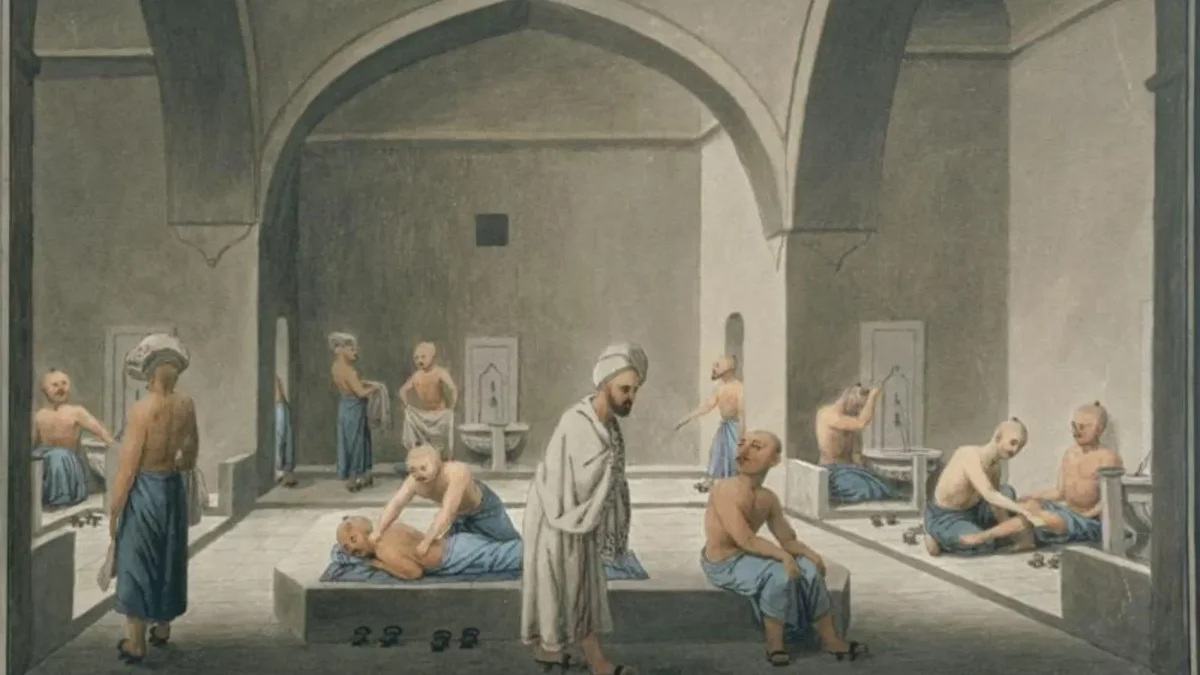
Historically, these bathhouses were built near mosques to encourage both physical and spiritual purification before prayer, symbolising the deep connection between cleanliness and faith in Islamic culture. Beyond their religious origins, hammams have long been social spaces where generations of Moroccan women gather to connect, share stories, and celebrate milestones, turning the act of bathing into a form of community care.
Every element, from the domed, steam-filled chambers to the use of olive-based black soap and mineral-rich ghassoul clay, reflects Morocco’s relationship with nature and its reverence for ritual. For travellers, stepping into a hammam isn’t just about relaxation; it’s an entryway into Morocco’s centuries-old philosophy of wellness, where purification, beauty, and belonging intertwine.
What are the various types of Moroccan hammams?
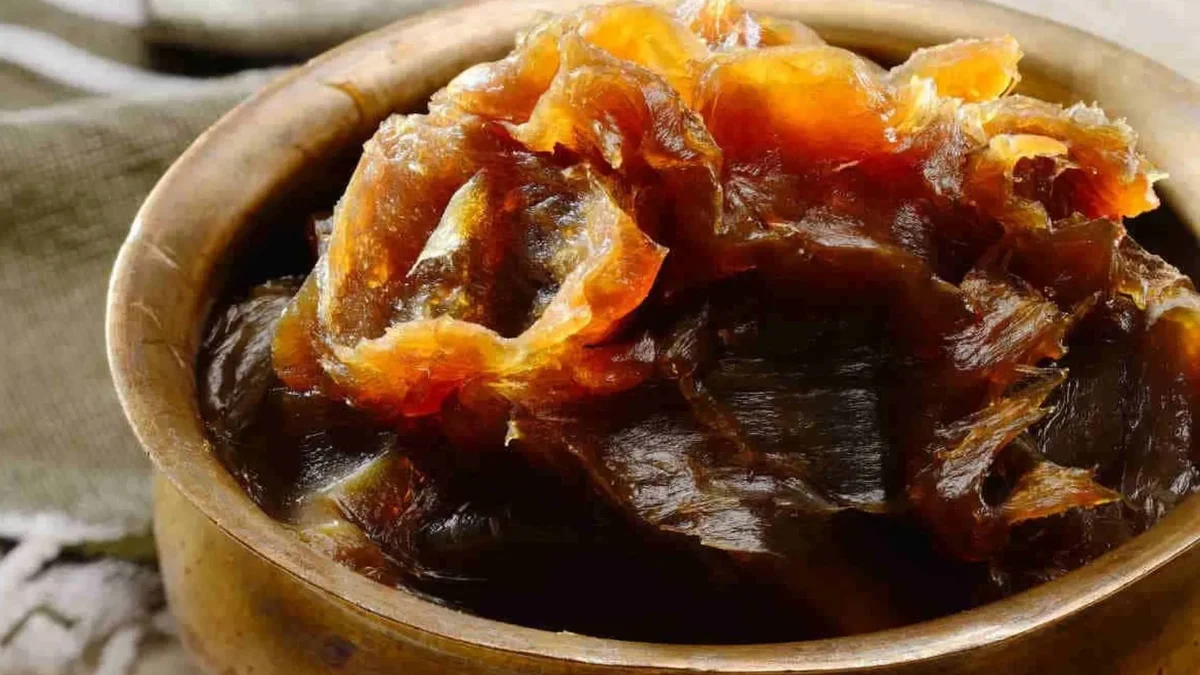
Across North Africa and the Middle East, the hammam takes different forms — I learnt this over tea one afternoon when my local tour guide, Naima in Casablanca, explained how the rituals vary from country to country. In Morocco, it’s an experience that feels both spiritual and sensory. The ritual begins in a steam-filled chamber, where the skin softens before being scrubbed with black olive soap and polished clean with a kessa glove. A final layer of ghassoul clay, sourced from the Atlas Mountains, leaves the skin silky and the mind quiet. It’s ideal for travellers who seek authenticity and want to immerse themselves in centuries-old wellness traditions.
In Turkey, the hammam unfolds with more ceremony. Inspired by Roman and Byzantine architecture, it takes place under domed ceilings and on heated marble slabs where attendants, or tellaks, bathe and massage guests using soft bubbles and warm water, a perfect choice for those who crave grandeur and ritual. The Tunisian and Egyptian hammams, meanwhile, offer a gentler, more social experience. Their simpler settings prioritise community and connection, appealing to those who prefer slower, conversational wellness rather than deep physical cleansing. Each one, in its own way, captures the same timeless pursuit.
Inside a Moroccan hammam
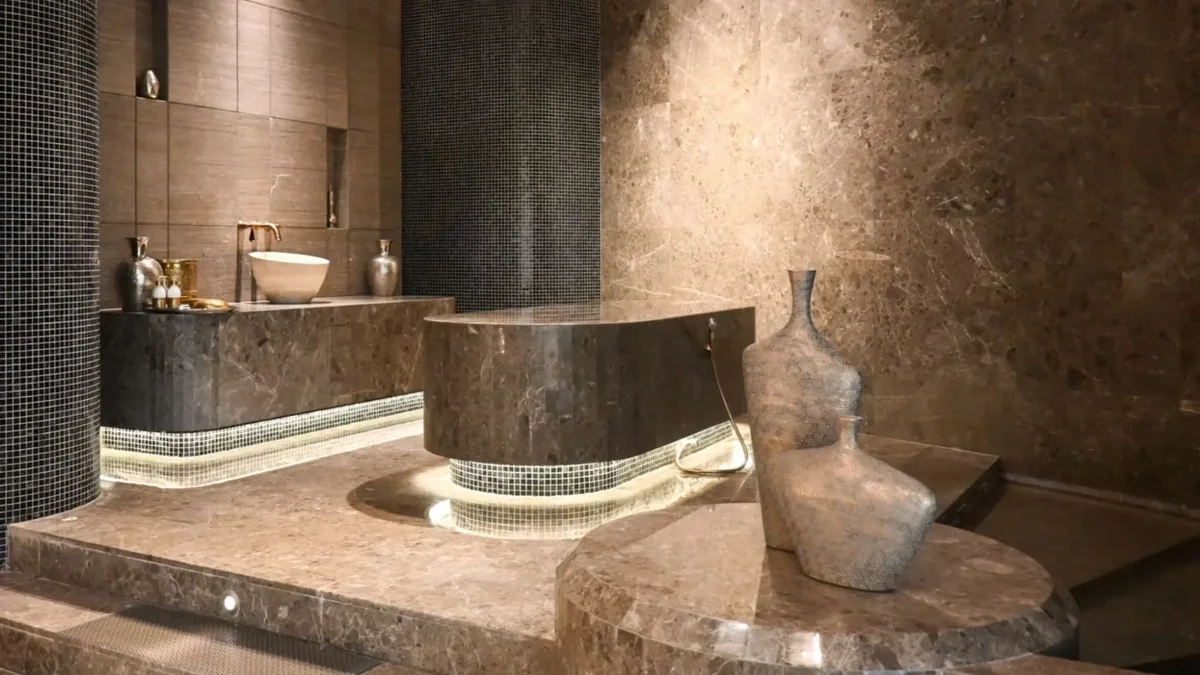
My first Moroccan hammam felt nothing like a spa. It was more like slipping into another pace of living. At Wellbeings Holistic Healing, the tiled chamber was filled with heat and quiet, the kind that makes you slow down without even noticing. My attendant spoke very little, yet every gesture carried intention, a gentle scrub here and a firm rinse there, as if she had done this a thousand times before. We did not need words. The ritual spoke for itself, and somewhere between the steam and the stillness, I felt myself beginning to let go.
These are the seven steps of how a Moroccan hammam unfolds:
Settling in the water and steam: It began with sitting quietly in the heat, letting my body acclimate as bowls of warm water were poured over me. Soon, my skin began to gleam, softened and ready for the soap application.
Black soap cleanse: She applied savon noir, meaning black soap with a natural, earthy scent. It spread like liquid silk, drawing out impurities and very light lather. I sat for a few minutes, letting it do its work, before the real transformation began.
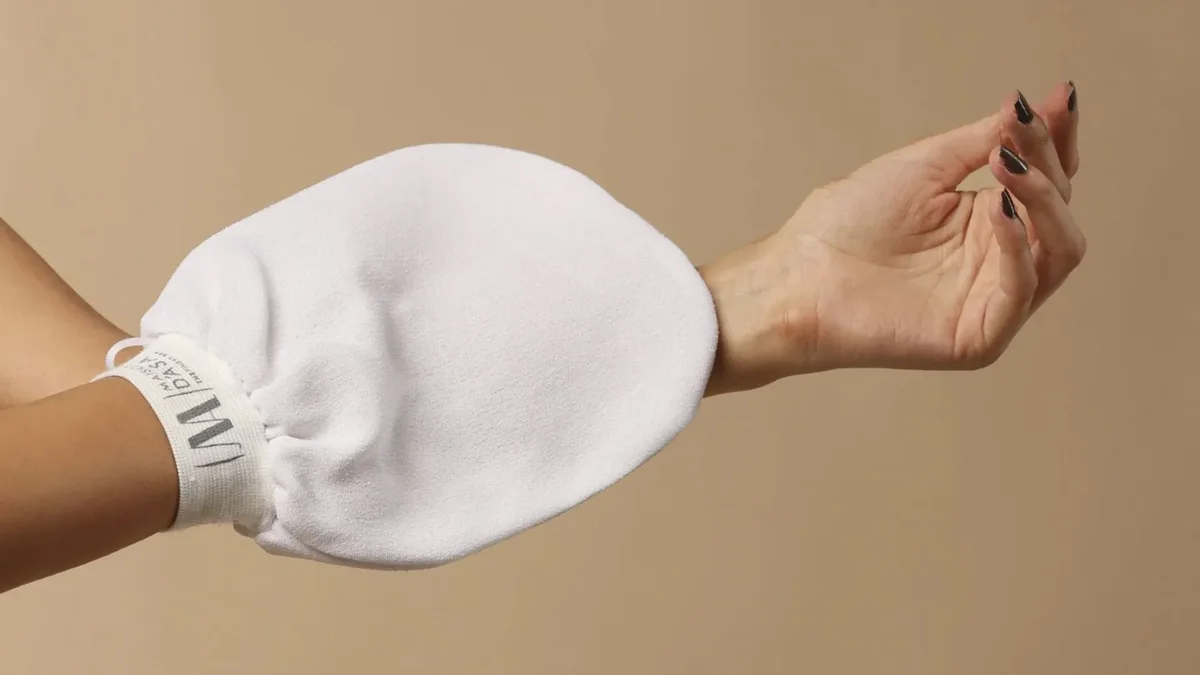
The kessa scrub: Light water was poured before we started the next step. With a kessa glove, she began scrubbing — firmly, and methodically. Fine rolls of dead skin peeled away, revealing a texture I hadn’t felt in years. It wasn’t painful, just a deep scrubbing.
Ghassoul clay mask: After washing off the grey, dead skin, next came a layer of ghassoul clay, cool and mineral-rich, sourced from the Atlas Mountains. It dried lightly on my skin, drawing out the last traces of dust and fatigue, before being rinsed away in long, sweeping motions.
Rinse and restore: Several buckets of warm water followed, washing away the remnants of clay and soap until my skin felt clean, my body butter-soft.
Finishing touch: Two buckets of cold water were poured over the warm, scrubbed body, creating a sense of liberation and happiness as we returned to normal temperature. A few drops of pure argan oil were massaged into my skin after we towel dried up, followed by a spritz of rose water — simple, fragrant, and grounding on the face. This signifies the end of the treatment.
Rehydrate: The entire 60-minute process can feel very dehydrating and tiring; thus, it is recommended to have traditional Moroccan mint tea and enjoy a few dates. It is the perfect way to restore energy and end the ritual on a soothing note.
Three spiritual lessons I gained at the Moroccan hammam
- The art of surrender: When you enter the hammam, they ask you to take off everything. For a second, you hesitate, unsure of how to exist without layers. But the moment you let go, something shifts. You hand yourself over to the process, to the hands that know better, to the ancient rhythm of cleansing. We live in a world that teaches us to stay in control, to plan, to predict, to hold our ground. But sometimes, reaching a higher goal — whether that’s clarity, peace, or healing — begins by unclenching. To surrender is to say, “I don’t need to know everything right now.” And there’s something deeply liberating about that.
- The truth beneath the surface: I always thought I was clean. I shower daily, exfoliate occasionally, and keep my skincare shelf stocked like a pharmacy. But the hammam taught me otherwise. As the kessa glove moved across my skin, layers of dead cells began to roll off, revealing just how much had been hiding beneath the surface. It made me think about all the habits, beliefs, and assumptions we hold — the ones we think serve us simply because they’ve been around long enough. Trying a Moroccan ritual showed me that even in cleansing, there are depths we overlook. Maybe that’s what growth really is — realising that what we thought was “enough” might just be the first rinse.
- Stillness is its own kind of prayer: After the heat and the scrubbing, there comes a pause. The room is silent except for the sound of water meeting stones. You sit quietly, wrapped in warmth, your body heavy and soft, your thoughts dissolving into the air. In that silence, something begins to shift. The noise of the outside world fades, and you are left with nothing but the simple rhythm of your breath. You realise how rare this kind of stillness is, how easily it escapes us in a life that values speed and distraction. In the hammam, there is no sense of hurry, no demand for productivity, only the invitation to exist in the moment.
T+L tip
In Morocco, the liver is considered a symbol of love.
What are the benefits?
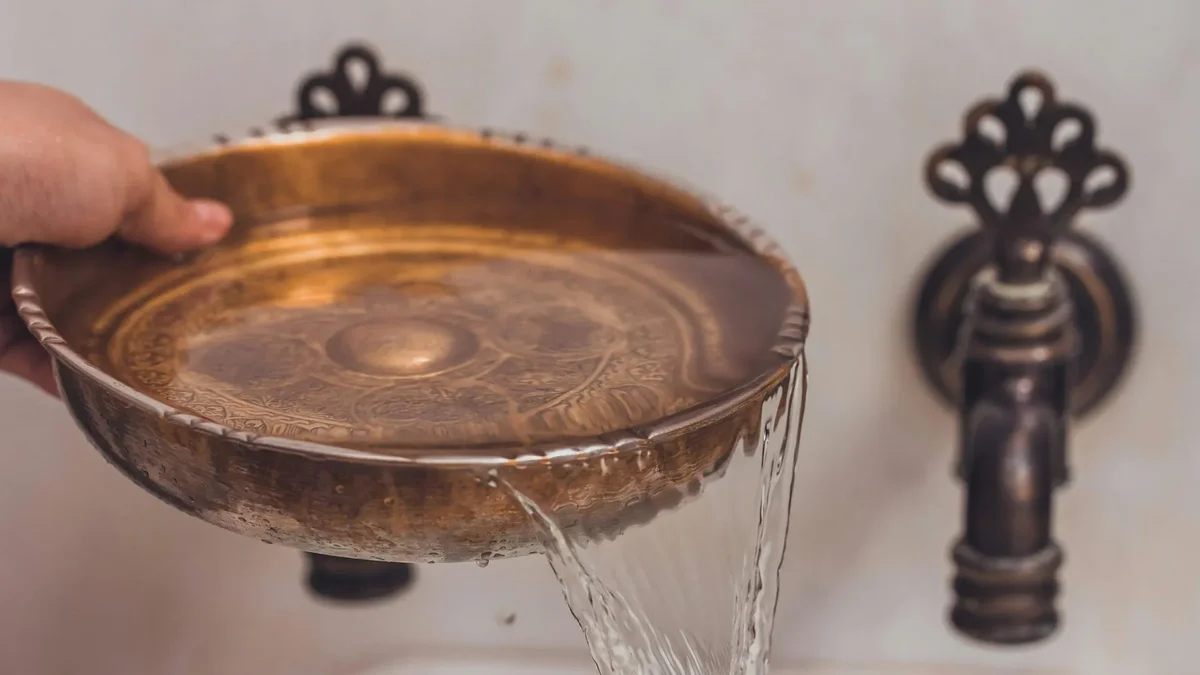
For all its ancient roots, the Moroccan hammam remains one of the most effective wellness rituals you can experience today: the mix of heat, exfoliation, and mineral-rich products like savon noir and ghassoul clay helps detoxify the body, boost circulation, and leave your skin gleaming in a way no serum ever could.
Beyond the physical benefits, the hammam works wonders on the mind. The rhythm of water, the warmth of the marble, and the absence of your phone create a kind of meditative silence that’s rare to find.
Visit these top Moroccan hammams
1. Les Bains De Marrakech
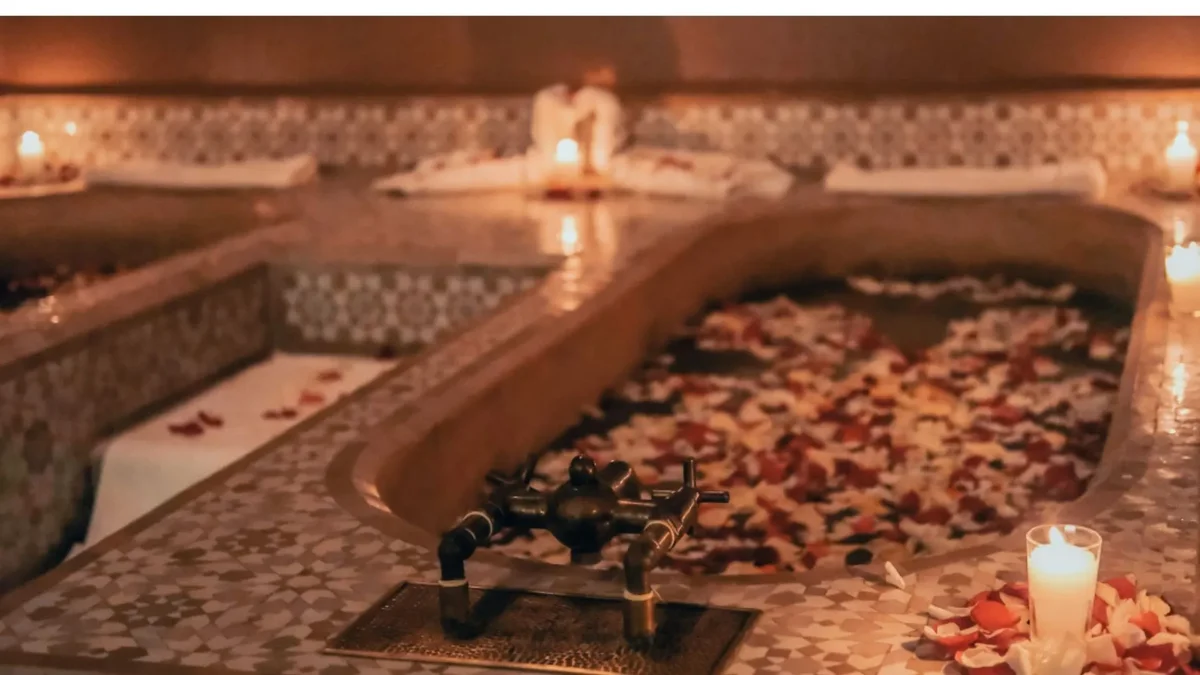
A favourite among travellers, Les Bains de Marrakech offers the perfect bridge between the traditional Moroccan hammam and a high-end spa. Think: warm terracotta rooms, flickering lanterns, and aromatic steam. The ritual includes savon noir, a vigorous kessa scrub, and optional massages using argan oil.
- Location: Kasbah district, Marrakech
- Price: MAD 400–700 (INR 386-675) depending on treatment
- Where to book: lesbainsdemarrakech.com
- Perfect for: First-timers who want the cultural experience without sacrificing comfort
T+L tip: The dead skin removed after a hammam is often called black spaghetti.
2. Royal Mansaour Spa, Marrakech
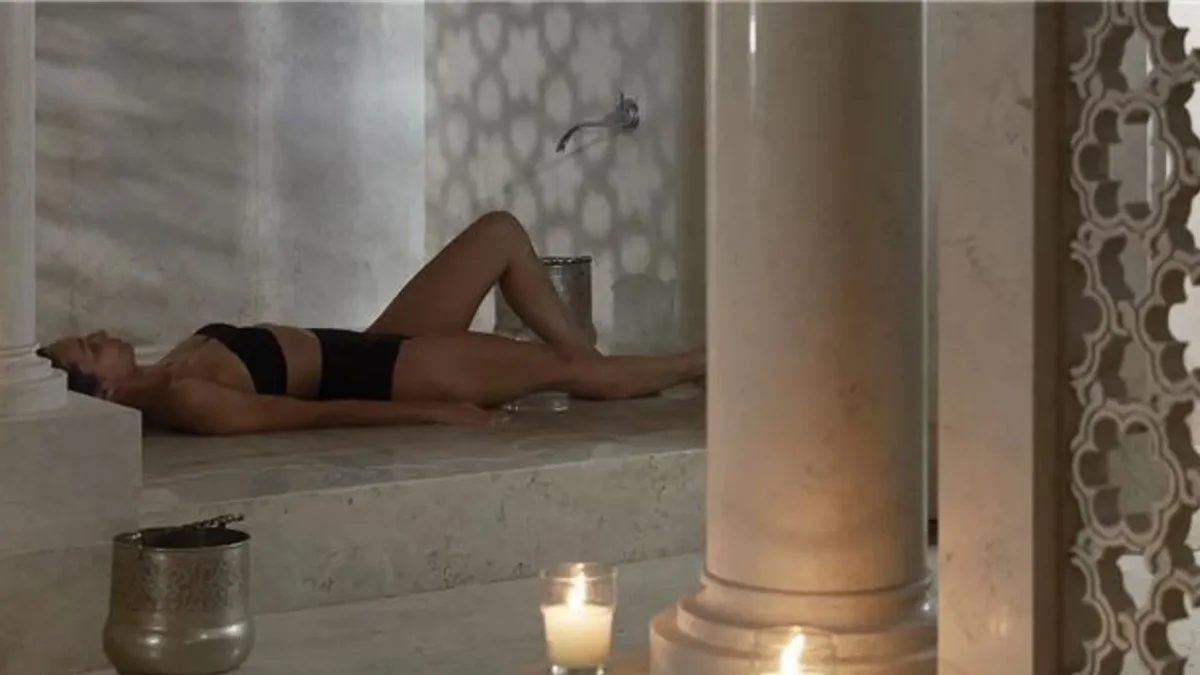
White marble interiors, perfumed steam, and bespoke treatments curated with rose and orange blossom oils make this a spa day fit for royalty. The attendants perform each step with rhythmic precision, transforming cleansing into pure artistry.
- Location: Rue Abou Abbas El Sebti, Marrakech
- Price: Starts at MAD 1,500 (INR 1,447.50)
- Where to book: royalmansour.com
- Perfect for: Travellers seeking indulgence, privacy, and a five-star sanctuary.
3. Hammams of the Hassan II Mosque
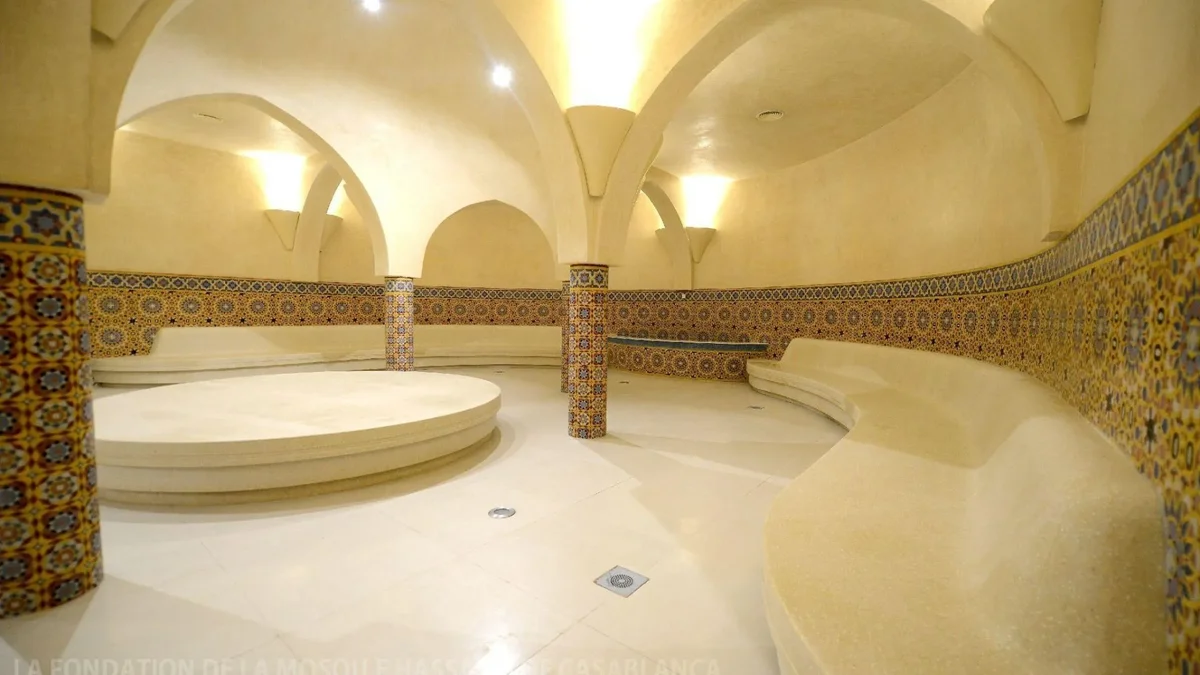
Located beneath Casablanca’s majestic Hassan II Mosque, these public hammams are among Morocco’s best-kept secrets. Originally designed for worshippers’ use, the facilities now welcome the public, offering vast steam chambers, marble baths, and seawater hydrotherapy pools.
- Location: Hassan II Mosque Complex, Casablanca
- Price: MAD 50 (INR 482.50) for basic access; up to MAD 450 (INR 4,342.50) for full rituals
- Where to book: Visit the hammam
- Perfect for: Cultural purists and locals-at-heart who want a truly communal experience.
4. Selman Marrakech (Chenot Spa)
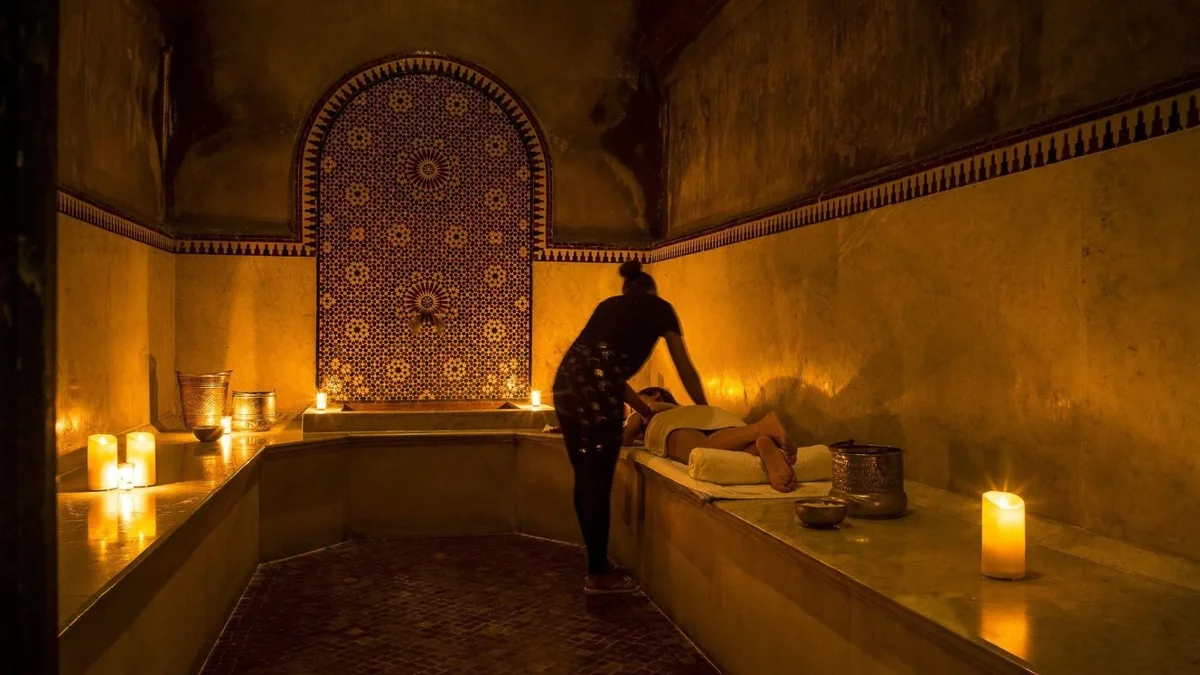
Set within the palatial Selman Marrakech, this hammam integrates Moroccan tradition with the Chenot Method of wellness. The Escale Selman ritual combines aromatic steam, black olive soap, and essential oils, followed by soothing hydration treatments. With its marble interiors and serene mood, it’s a study in slow luxury.
Location: Route d’Amizmiz, Marrakech
Price: MAD 1,000–1,500 (INR 9,650-14,475) depending on service
Where to book: selman-marrakech.com
Perfect for: Wellness enthusiasts seeking a luxurious, science-backed experience.
5. La Mamounia Spa
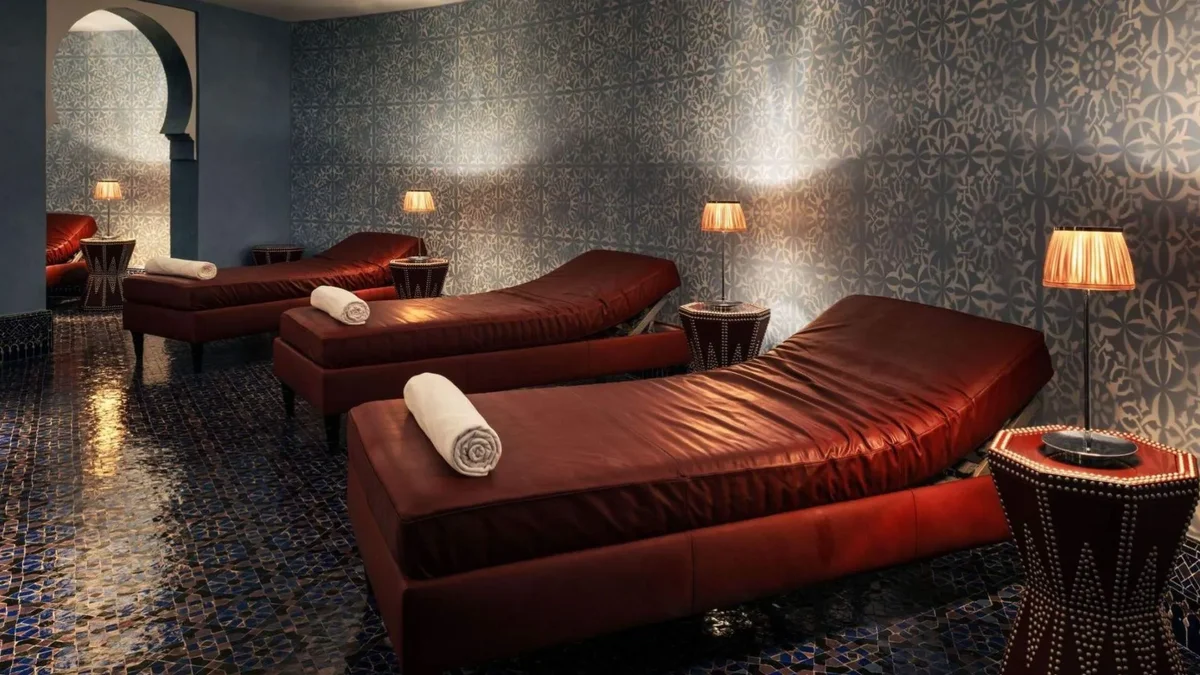
A Marrakech landmark, La Mamounia’s hammam is a serene fusion of Moroccan tradition and modern indulgence, offering steam rituals with savon noir, orange blossom, and argan oil in marble-clad chambers.
- Location: Avenue Bab Jdid, Marrakech
- Price: From MAD 1,200 (INR 11,580)
- How to book: mamounia.com
- Perfect for: Travellers seeking classic elegance and deep relaxation.
T+L tip: Mint tea is the national drink, symbolising hospitality and friendship.
Tips on how to have the best experience
- Bring flip-flops, a towel, and a kessa glove if you’re visiting a public bathhouse.
- Private spas provide everything, but local hammams often expect guests to bring their own essentials.
- Modesty is appreciated; women usually wear underwear or bikini bottoms, and men wear shorts.
- Avoid shaving beforehand, remove all jewellery, and keep your skin free of lotions.
- Local hammams can cost as little as MAD 20 (INR 193), while spa versions range between MAD 300-600 (INR 2,895-5,790)
- A small tip of MAD 10-50 (INR 96.50- 482.50) is a thoughtful gesture.